Hunton & Williams




Manhattan, NY Hunton & Williams LLP advised long-standing client Pebblebrook Hotel Trust in its $118 million sale of the Dumont NYC.
The transaction follows the October 2016 dissolution of Pebblebrook’s partnership with Denihan Hospitality Group in the ownership of six area hotels. The October 2016 dissolution resulted in Pebblebrook owning 100% of the interests in two of the former partnership’s six hotels: the Manhattan NYC and the Dumont NYC.
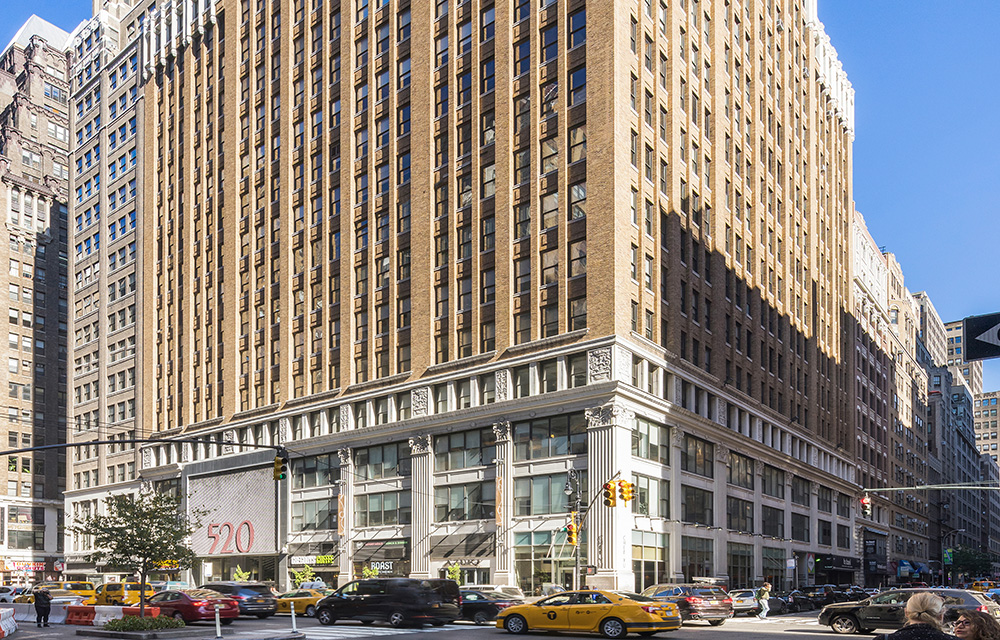
The Dumont NYC is a 252-room hotel adjoined by a residential rental building with ground floor commercial space located at 150 East 34th St. in the Murray Hill neighborhood.

Hunton & Williams’ legal team was led by New York partner Laurie Grasso and associate Douglas Hoffmann. The firm previously represented Pebblebrook on the $217.5 million sale of the Manhattan NYC, which closed in December of 2016.
“This sale of the Dumont NYC completes Pebblebrook’s exit from the New York market,” said Grasso, partner at Hunton & Williams. “We are happy and honored to have assisted them in successfully carrying out this important strategic business plan.”
Hunton & Williams has a robust hospitality practice that has included the following transactions: Hersha Hospitality Trust in its $571.4 million, seven-hotel sale; American Realty Capital Hospitality Trust in its acquisition of a $300 million portfolio of 13 hotels; and Chatham Lodging Trust in its portfolio acquisition transactions.
Hunton & Williams’ real estate group advises clients on matters involving the full spectrum of commercial, industrial, retail, multifamily, hospitality and mixed-use properties. With more than 75 real estate and finance lawyers, the group closed deals in 34 states and handled over 185 transactions totaling $37.5 billion last year. Working across practices to service clients in the real estate industry, the team has advised on more than 200 REITs. In addition, the team was named among Dealogic’s top 10 advisors for handling nearly $20 billion in real estate M&A deals in 2016, and its lending team handled $6.8 billion in financial institutions’ mortgage loans last year alone.
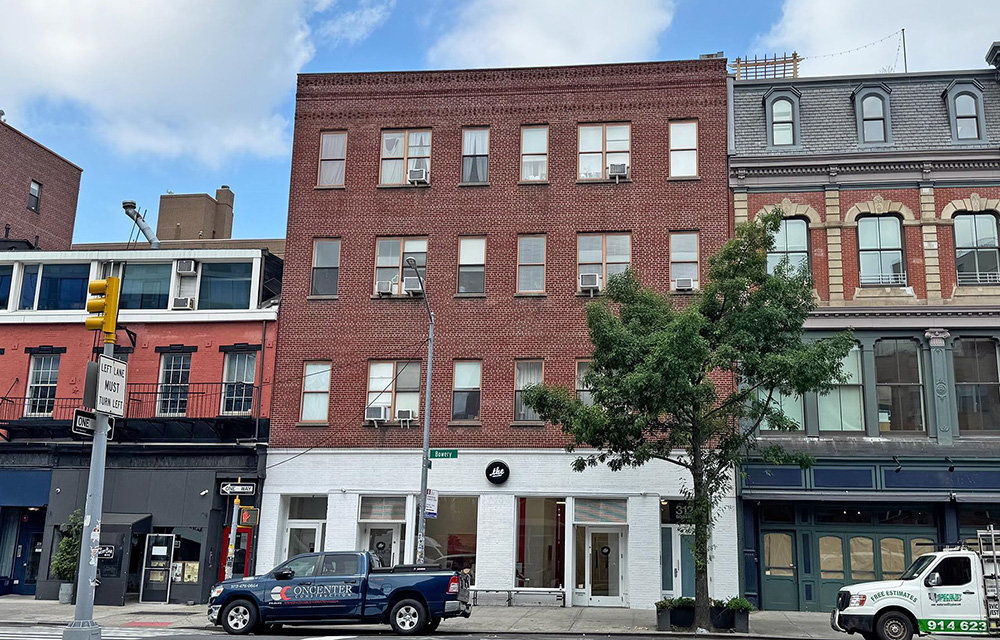






New York tri-state multifamily investors are increasingly reallocating capital to less-regulated markets across the U.S. as rent control and legislative risk erode returns at home. With over 60% of New York City’s rental housing stock classified as rent-stabilized, the traditional value-add model — buying under-performing buildings,


.gif)