



News:
Brokerage
Posted: March 7, 2017
How to get better results from real estate lenders by Meehan
 Kevin Meehan, Atlas
Commercial Capital, Inc.
Whether you are just starting out or a seasoned investor, obtaining a commercial property loan today can be a very time-consuming, and daunting, task. Many people often ask if there are any insider tips to getting better rates, terms and even faster responses when dealing within the finance industry. The short answer is yes, hire a professional intermediary that deals in the business every day. If qualified, they will be able to not only guide you through the maze, but will make getting and closing the loan a lot less stressful.
I use the word “qualified” to emphasize that there are a lot of people and companies out there that have no credentials or background to be working on complex financial matters. In fact, in some states no individual or company may act as a commercial mortgage intermediary unless they are licensed first as a real estate broker. Other warning signs also include individuals that just want an upfront fee with no intention (or ability) to even obtain what you seek.
Whether you use a qualified intermediary or try to go at it alone, here are some useful tips that will certainly benefit your endeavors in the marketplace. First, make sure that your initial submission contains the basic needs to allow a proper evaluation. You should, at the very least include:
• Property details;
• Income and expenses;
• Rent roll; and
• Borrower profile.
Surprisingly, many loan requests get rejected or put aside not because the deal was bad. Rather, it may have taken too much effort for the loan officer to understand the deal or maybe the submission was incomplete or the loan request just did not fit the current lending box of that lender.
At the end of the day, if you want everything to go smoothly and obtain the best terms, make sure that:
• The requested loan fits within the lender’s guidelines;
• The borrower profile (background, net worth, etc.) meets the lender’s current preferences;
• Everything is provided in a timely manner; and
• The lender has a high confidence that the deal will close either through a trusted existing relationship or through a trusted advisor.
Kevin Meehan is the managing partner of Atlas Commercial Capital, New York, N.Y.
Tags:
Brokerage
MORE FROM Brokerage
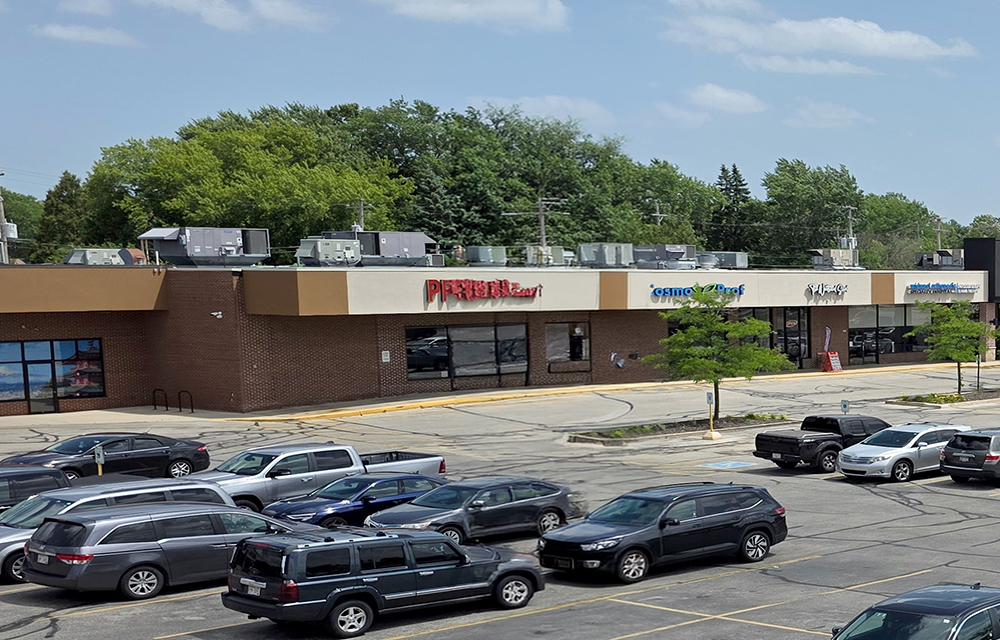
United Properties Corp. expands Wisconsin and Illinois retail presence adding 200,000 s/f
West Allis, WI United Properties Corp. completed two retail acquisitions totaling $27.4 million across Illinois and Wisconsin, adding 205,000 s/f of shopping center space to its portfolio





 (2).gif)

Columns and Thought Leadership

Positive forecast for New York’s pro-housing push? - by Philip Butler
New York’s housing crisis remains a hot button topic despite growing consensus that varied and affordable housing is desperately needed statewide. Governor Hochul has recently introduced several initiatives to overcome N.Y.’s anti-housing

A guide to finding the right NYC property management company - by Sanjay Gandhi
Being a small to midsize landlord in NYC is an increasingly demanding endeavor. From navigating complex regulations, increased compliance demands to dealing with tenant issues and remediating violations. It is wise to enlist the assistance of a partner, a professional

Hunt commercial real estate question and answer: Fortune 500 wisdom - by David Hunt
Yes, there are lessons to be learned from the largest companies in America when comes to managing your real estate. But the decision to buy or lease real estate may not be one of

New York’s streets are full again, and the retail numbers prove it - by Noam Aziz
Walk down any New York block this year and you can feel it. The sidewalks are crowded, the storefronts are lit, and the energy that defines this city is back at full volume.
.gif)