



News:
Brokerage
Posted: February 5, 2010
How new residential foreclosure laws affect commercial lending
On Dec. 15, 2009 Albany passed legislation that changes present residential foreclosure laws. These changes also have a substantial impact on commercial lender's rights and responsibilities. The well intended purpose of the amendments was to further protect distressed homeowners, prevent blighted neighborhoods, establish tenant protections, and prevent homeowner rescue scams. However, the result will be detrimental to commercial lenders as the new law will lengthen the foreclosure process, increase expenses, introduce new lender responsibilities and liabilities, and hamper the liquidity and balance sheets of the banks.
"Residential real property" is newly defined to include property improved by a building/structure that may be used, partly or wholly, as a residence, including co-op, apartment, and mixed-use buildings. The law imposes a duty on banks to maintain the premises and gives tenants the right to remain in a dwelling post-foreclosure. Banks must continue to pay real estate taxes and insurance, and may have to provide utilities and other services to properties that are not generating income.
Reports show 140 banks failed in 2009. The estimated average failed bank costs the FDIC $261 million. The pre-amended foreclosure laws attacked predatory loans. Healthy banks stayed healthy by continuing to lend, with the ability to recoup their investment, while banks with illegitimate loans suffered the consequences. By slowing the foreclosure process and imposing additional costs and liabilities on all lenders, the amendments will further restrict lending activity and undermine stable institutions.
Kathryn Sammon Burns, Esq. is an attorney at Forchelli, Curto, Deegan, Schwartz, Mineo, Cohn & Terrana LLP, Uniondale, N.Y.
Tags:
Brokerage
MORE FROM Brokerage
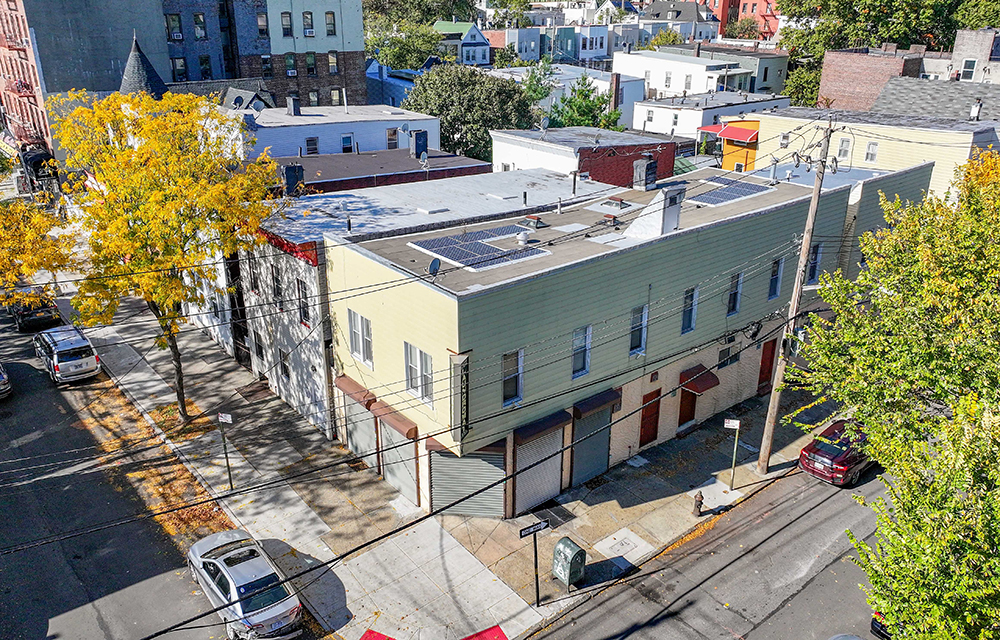
Investment Property Realty Group’s Team Friedman closes five Bronx sales totaling $5.3 million
Bronx, NY Investment Property Realty Group’s (IPRG) Team Friedman closed five sales totaling $5.3 million in the month of September. • 1707 Melville St. sold for $1.35 million. Located in Van Nest, the property



 (2).gif)

Columns and Thought Leadership

A guide to finding the right NYC property management company - by Sanjay Gandhi
Being a small to midsize landlord in NYC is an increasingly demanding endeavor. From navigating complex regulations, increased compliance demands to dealing with tenant issues and remediating violations. It is wise to enlist the assistance of a partner, a professional

Hunt commercial real estate question and answer: Fortune 500 wisdom - by David Hunt
Yes, there are lessons to be learned from the largest companies in America when comes to managing your real estate. But the decision to buy or lease real estate may not be one of

New York’s streets are full again, and the retail numbers prove it - by Noam Aziz
Walk down any New York block this year and you can feel it. The sidewalks are crowded, the storefronts are lit, and the energy that defines this city is back at full volume.

Positive forecast for New York’s pro-housing push? - by Philip Butler
New York’s housing crisis remains a hot button topic despite growing consensus that varied and affordable housing is desperately needed statewide. Governor Hochul has recently introduced several initiatives to overcome N.Y.’s anti-housing
.gif)
September Promotion
