



News:
Brokerage
Posted: July 27, 2010
How can owners recognize the severity of capital gains taxes and capitalize on current tax policies?
Real estate owners beware and act fiercely there is an impending tax massacre in our horizon. The current magnanimous national debt has reached $13 trillion and is escalating as a result of bailouts, wars and striving social programs. Since 60% of national spending is allocated to Medicare, Social Security and other mandatory programs it is implausible that spending cuts alone could solve these massive deficit problems. Experts agree that tax hikes are inevitable and will be directed towards the sale of investment property capital gains.
In the United States, individuals and corporations pay income tax on the net total of all their capital gains just as they do on other sorts of income. Capital gains are generally taxed at a preferential rate in comparison to ordinary income. This is intended to provide incentives for investors to make capital investments and to fund entrepreneurial activity. Owners of commercial real estate must begin to recognize the importance of the capital gains tax which is sure to soar under the Obama administration. We are now approaching the deadline that will most likely end our comfortable 15% levy which will drastically impact sellers. The expected discrepancy between the current and future capital gains tax should motivate commercial real estate owners into action.
The reduced 15% tax rate on long term capital gains previously scheduled to expire in 2008, were extended through 2010 as a result of the Tax Reconciliation Act signed into law by President George W. Bush on May 17th, 2006. These reduced tax rates were passed with a sunset provision and are effective through 2010 at which time President Obama has proposed raising the capital gains tax rate to 20% in order to generate billions in new revenues for the federal government. In addition, further taxes are scheduled under the healthcare bill in order to help pay for the expected $938 billion over the next decade. It stipulates that a new 3.8% tax be added to investment income such as capital gains coupled with an additional 0.9% Medicare payroll tax on top of the 1.45% already deducted from worker's wages.
Tax experts are scurrying to advise clients on how to best protect their capital from this impending tax nightmare. According to the recent cover story featured in Barron's weekly, "If you've been considering selling any highly appreciated investments consider doing so in advance of the capital gains increases." It is clear that investors have only a short window of time left to take advantage of the Bush administration's low tax rates. Our current capital gains tax is lower than it's been in 75 years since it was 12.5% in 1933. Our national debt is a staggering $13 trillion and rising. As our national debt continues to climb, it will fuel additional tax hikes.
As a seller, there are several repercussions one must consider when accepting an offer on a property; the costliest one is taxes. The Capital gains tax is currently the lowest it has been since 1933. Under Presidents John Kennedy and Johnson, capital gains tax was 25%. Nixon increased that percentage to 36.5%. Ford increased the tax to 37% and Carter later increased it to 39%. Under Clinton's presidency, capital gains tax was 28%, which alleviated some of the burden from taxpayers. However Bush profoundly lowered the tax rate to 15% which has proved extraordinarily profitable in real estate sales.
It is imperative that owners of real estate recognize the severity of capital gains taxes and capitalize on the current tax policies. To navigate the current economic climate in conjunction with the impeding tax escalations it is vital to work with an experienced and knowledgeable real estate broker. American Investment Properties has prevailed as the leader of commercial real estate on Long Island who continuously demonstrates a profound understanding of the current marketplace.
Ron Koenigsberg is the president of American Investment Properties, Inc., Garden City, N.Y.
Tags:
Brokerage
MORE FROM Brokerage
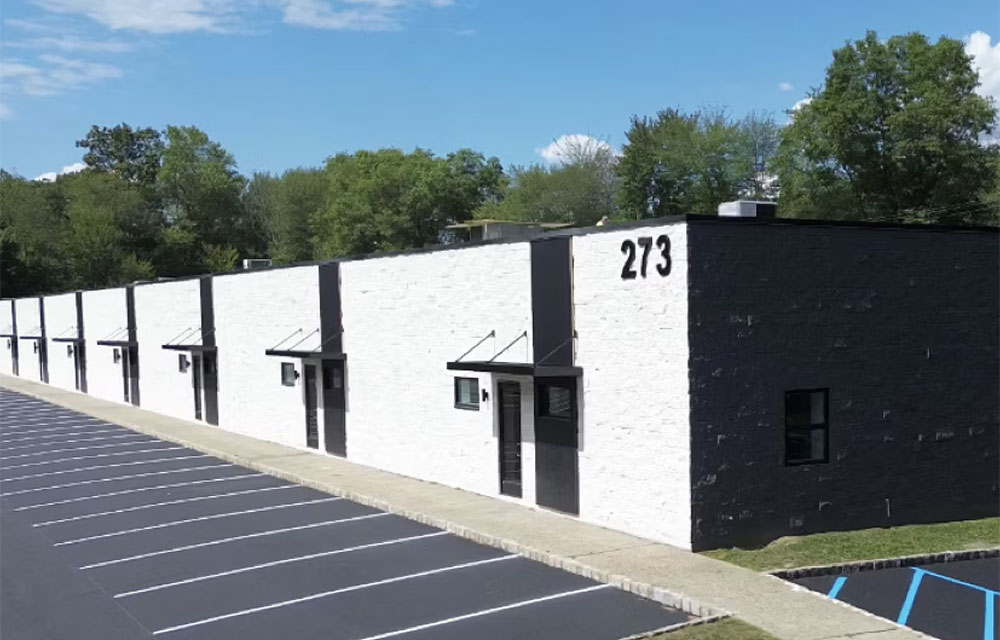
Resource Realty of Northern NJ delivers complete lease-up of 235 Franklin Rd. for Commerce Park Investors
Randolph, NJ Resource Realty of Northern New Jersey (RRNNJ) has completed the lease-up of a 10-unit small-bay industrial property at 273 Franklin Rd., marking the culmination of an investment strategy that began



Quick Hits

Columns and Thought Leadership

Positive forecast for New York’s pro-housing push? - by Philip Butler
New York’s housing crisis remains a hot button topic despite growing consensus that varied and affordable housing is desperately needed statewide. Governor Hochul has recently introduced several initiatives to overcome N.Y.’s anti-housing

Hunt commercial real estate question and answer: Fortune 500 wisdom - by David Hunt
Yes, there are lessons to be learned from the largest companies in America when comes to managing your real estate. But the decision to buy or lease real estate may not be one of

A guide to finding the right NYC property management company - by Sanjay Gandhi
Being a small to midsize landlord in NYC is an increasingly demanding endeavor. From navigating complex regulations, increased compliance demands to dealing with tenant issues and remediating violations. It is wise to enlist the assistance of a partner, a professional

New York’s streets are full again, and the retail numbers prove it - by Noam Aziz
Walk down any New York block this year and you can feel it. The sidewalks are crowded, the storefronts are lit, and the energy that defines this city is back at full volume.
.gif)