



News:
Brokerage
Posted: March 26, 2012
Home improvement contractors licenses
Contractors who do home improvement work in the State of New York are required to have licenses issued by Consumer Affairs. Even with this law, it is not unusual to come across many contractors doing this type of work who do not have them. It is not a license which means they are more qualified than other contractors. Rather, it is a license to protect consumers against bad business practices.
There are statutory requirements listing certain contractual provisions which must be in their contracts with consumers. When I am asked by clients to review such contracts, I always look first at the top of the contract for their licenses numbers. Not seeing that number on a contract is an immediate red flag to me as an attorney that they probably do not have such a license. There are other important provisions I should see, such as one indicating that they will hold money they are paid in an escrow account, so that payments are based on the amount of work actually done. Not having such a license may also be grounds to have a mechanic's lien vacated. Their subcontractors must also have these licenses.
Consumer Affairs has its own administrative law judges who hear cases involving complaints about licensed contractors. If a contractor has allegedly done bad work or taken money that should have been refunded, these issues can be tried in the context of asking that a contractor's license be suspended. On smaller matters, this can be an alternative to going to court.
C. Jaye Berger, Esq, is an attorney and the principal of Law Offices C. Jaye Berger, New York, N.Y.
Tags:
Brokerage
MORE FROM Brokerage
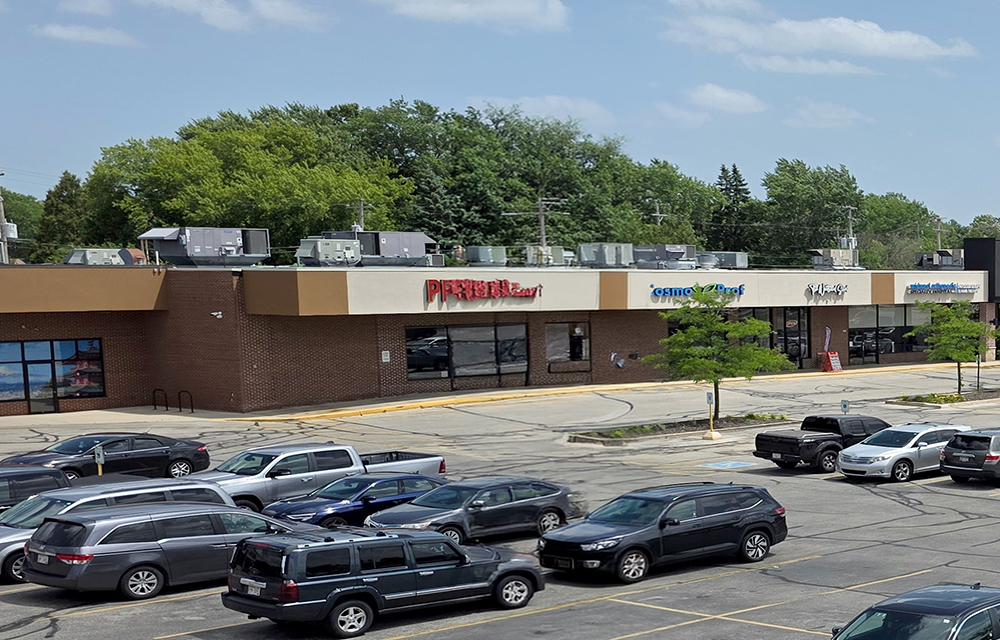
United Properties Corp. expands Wisconsin and Illinois retail presence adding 200,000 s/f
West Allis, WI United Properties Corp. completed two retail acquisitions totaling $27.4 million across Illinois and Wisconsin, adding 205,000 s/f of shopping center space to its portfolio





Quick Hits

Columns and Thought Leadership

A guide to finding the right NYC property management company - by Sanjay Gandhi
Being a small to midsize landlord in NYC is an increasingly demanding endeavor. From navigating complex regulations, increased compliance demands to dealing with tenant issues and remediating violations. It is wise to enlist the assistance of a partner, a professional

New York’s streets are full again, and the retail numbers prove it - by Noam Aziz
Walk down any New York block this year and you can feel it. The sidewalks are crowded, the storefronts are lit, and the energy that defines this city is back at full volume.

Positive forecast for New York’s pro-housing push? - by Philip Butler
New York’s housing crisis remains a hot button topic despite growing consensus that varied and affordable housing is desperately needed statewide. Governor Hochul has recently introduced several initiatives to overcome N.Y.’s anti-housing

Hunt commercial real estate question and answer: Fortune 500 wisdom - by David Hunt
Yes, there are lessons to be learned from the largest companies in America when comes to managing your real estate. But the decision to buy or lease real estate may not be one of
.gif)