



News:
Brokerage
Posted: March 25, 2013
HKS Capital Partners completes ten transactions totaling $61.58 million
HKS Capital Partners completed the following transactions:
* A $15.3 million, 5-story fully renovated office building located in Tribeca. The loan was sized at 75% loan to value ratio with a fixed rate of 4.25% for a nine-year term. The deal was closed in 30 days. Ayush Kapahi negotiated this transaction.
* A $11 million, 7-year non-recourse, fixed rate at 3.55% loan on a 36-unit, 6-story multifamily building located in Brooklyn. The loan was structured by Kapahi.
* A $4.25 million finance of a 20,000 s/f building. The loan was structured as an acquisition and subsequent construction loan for the gut renovation of this mixed-use property. The loan was sized at a rate of 4.5% for a two-year term, and was structured to overcome a forbearance agreement obstacle within a TOE transaction time constraint. The deal was negotiated by John Harrington.
* A $2.93 million non-recourse refinance loan of a mixed-use building with 12 apartments and one commercial, located on Mulberry St. in Little Italy. The loan was sized at a 75% loan to value ratio with a fixed rate of 3.15% for a five year term. Jay Stern-Sczepaniak negotiated this transaction.
* A $6 million first mortgage, $3.5 million earn out, interim financing on an 80-unit apartment with a 50% vacancy. This loan was levered at 75%, with a fixed interest only rate of 5.375% for two years. Kapahi negotiated this transaction.
* A $3.6 million, 7-year non-recourse, fixed rate at 4.25% on the acquisition refinance of an office building located in Mt. Vernon. The loan was structured by Kapahi.
* A $4.5 million non-recourse refinance of this multifamily building located in the Bronx. The loan was sized at a rate of 3.8% for ten years and was levered at 75%. This deal was negotiated by Kapahi.
* A $3.65 million non-recourse refinance of a multifamily building located in the Bronx. The loan was sized at 75% loan to value with a fixed rate of 3.75% for ten years. Kapahi negotiated this transaction.
* A $4.85 million non-recourse refinance of a mixed-use building. This loan is 2 years interest only, sized at 75% loan to value, with a fixed rate of 3.75% for seven years. Kapahi negotiated this transaction.
* A $5.5 million non-recourse interim financing of a vacant mixed-use building. This loan is sized at a 50% loan to value with a rate of 30 day LIBOR plus 3% for a two year term. Kapahi negotiated this transaction.
Tags:
Brokerage
MORE FROM Brokerage
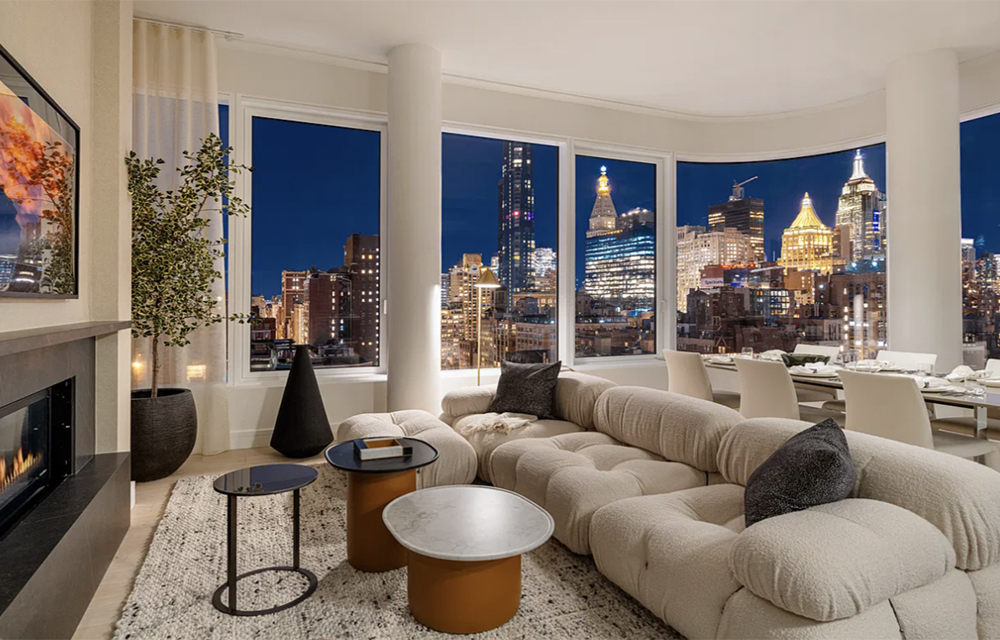
200E20TH sells out in Gramercy, penthouse A closes out sales at the CetraRuddy-designed condominium residences
Manhattan, NY 200E20TH, the CetraRuddy-designed architectural masterwork that brought a curved, contemporary sensibility to Gramercy’s Beaux-Arts streetscape, has



Quick Hits
 (2).gif)

Columns and Thought Leadership

The art of investing in real estate - by Thomas Donovan
Real estate investing is as much an art as it is a skill. No one can time the market, or the factors that drive it, perfectly. Location, zoning, size, transportation, and neighborhood density give you a baseline for

Hunt commercial real estate question and answer: Fortune 500 wisdom - by David Hunt
Yes, there are lessons to be learned from the largest companies in America when comes to managing your real estate. But the decision to buy or lease real estate may not be one of

Hunt CRE question and answer: Choosing a real estate agent - by David Hunt
First, we will only work with one agent exclusively. The primary reason is that we want that agent to legally represent our client’s interests. In New York State, a real estate agent has a fiduciary

New York’s streets are full again, and the retail numbers prove it - by Noam Aziz
Walk down any New York block this year and you can feel it. The sidewalks are crowded, the storefronts are lit, and the energy that defines this city is back at full volume.
.gif)