



News:
Brokerage
Posted: July 27, 2015
HGI sells 5,046 s/f Harlem retail property for $16.5 million; C&W reps seller and Moshe Group reps buyer
According to Harbor Group International, LLC (HGI), an affiliate of its company has sold a 5,046 s/f retail property located at 246-248 West 125th St. in the Harlem retail corridor for $16.5 million. HGI acquired the property in Oct. 2012 for $10.25 million. The Moshe Group represented the buyer, and Cushman and Wakefield represented the seller.
"HGI continues its commitment to N.Y.C.'s real estate market and we are actively investing in street-level urban retail properties in top markets throughout the U.S. and abroad," said Richard Litton, Jr., president of HGI. "The performance of the Harlem property provides further validation of our investment strategy which includes retail acquisitions in markets such as N.Y.C., Washington, D.C., and London, U.K."
The buyer is LargaVista Cos., a real estate development, investment and management company headquartered in N.Y.C. 246-248 West 125th St. is a single-story net leased retail building constructed in 1973 and located at the heart of the Harlem retail corridor. The asset is 100% leased to two tenants, City of Goldand Children's Place, with long-term in place leases. Located across the street from the famous Apollo Theatre, 246-248 West 125th St. is located in the center of the heavily trafficked 125th St. retail strip.
"LargaVista's real estate investment portfolio consists of assets with substantial long term growth and development potential. The 125th St. corridor is uniquely positioned for substantial continued investment and we are excited to be a part of that," said LargaVista's CEO Marcello Porcelli.
HGI is a private real estate investment and management firm which controls a portfolio of worldwide assets valued at approximately $4.1 billion. HGI is headquartered in Norfolk, Virginia with offices in New York and Tel Aviv. The company's real estate holdings include in excess of 5.7 million square feet of commercial properties and approximately 27,000 apartment units. For additional information, please visit www.harborgroupint.com.
LargaVista is a second-generation firm focused on the repositioning of underutilized and environmentally impacted sites. Its real estate holdings include over 60 locations in New York City and extend to Florida and California. http://largavista.com/
Tags:
Brokerage
MORE FROM Brokerage
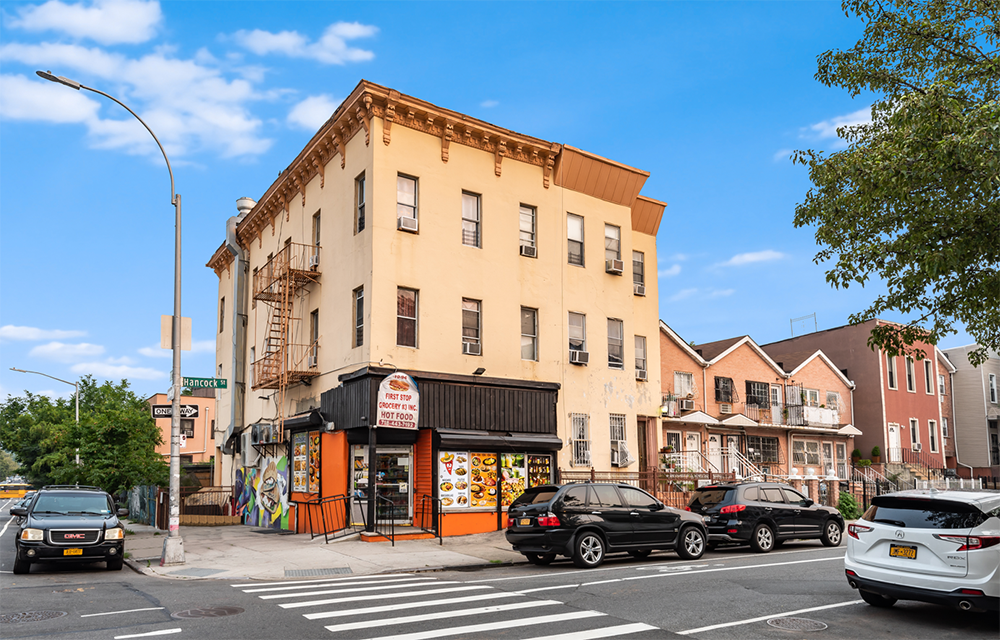
Investment Property Realty Group closes $1.75 million sale of 1094 Hancock Street in Brooklyn
Brooklyn, NY Investment Property Realty Group (IPRG), a New York-based commercial investment firm, has closed the sale of 1094 Hancock St., a mixed-use building in the Bushwick section, for $1.75 million.


Quick Hits
 (2).gif)

Columns and Thought Leadership

A guide to finding the right NYC property management company - by Sanjay Gandhi
Being a small to midsize landlord in NYC is an increasingly demanding endeavor. From navigating complex regulations, increased compliance demands to dealing with tenant issues and remediating violations. It is wise to enlist the assistance of a partner, a professional

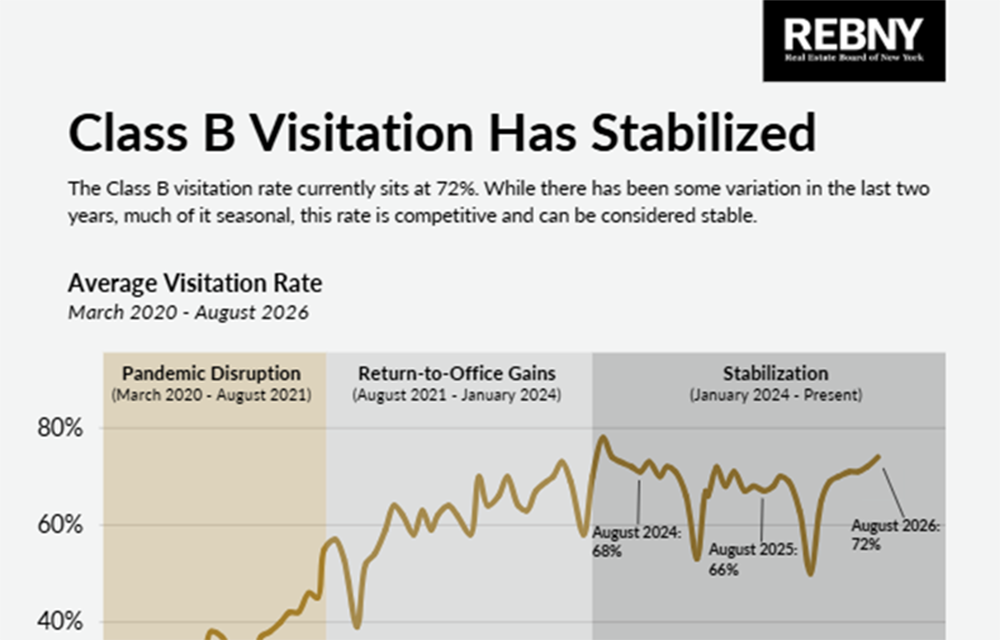
New York’s streets are full again, and the retail numbers prove it - by Noam Aziz
Walk down any New York block this year and you can feel it. The sidewalks are crowded, the storefronts are lit, and the energy that defines this city is back at full volume.

Hunt CRE question and answer: Choosing a real estate agent - by David Hunt
First, we will only work with one agent exclusively. The primary reason is that we want that agent to legally represent our client’s interests. In New York State, a real estate agent has a fiduciary

Hunt commercial real estate question and answer: Fortune 500 wisdom - by David Hunt
Yes, there are lessons to be learned from the largest companies in America when comes to managing your real estate. But the decision to buy or lease real estate may not be one of
.gif)