



News:
Brokerage
Posted: March 5, 2019
Heyer Performance retained by First Columbia for feasibility study of Troy office development
Troy, NY Heyer Performance Inc. (HPI) has been retained by First Columbia to assess the feasibility of a food-and-beverage and amenities program in one the newest commercial projects in the Waterfront Redevelopment District. Located in a converted factory at 433 River St. on the Hudson River, proposals for the 275,000 s/f office building include a 4,000 s/f food hall, 1,200 s/f café, and 7,500 s/f brewery pub and bowling alley entertainment space, all on the first floor. The Heyer study is also analyzing options for a 3,500 s/f rooftop entertainment venue.
“We are working with a visionary development team at First Columbia, with ideas that are both innovative and pragmatic,” said Julia Heyer, managing principal, Heyer Performance. “The goal of our report is to define programs that will contribute to ownership’s revenue streams while enhancing the experiential elements of the different food-and-beverage and amenities platforms.”
The Heyer Performance study will assess the various food hall, brewery and event space proposals in relation to the overall brand strategy. In addition, it will include analyses of current and projected office markets, financial parameters and ownership objectives. Final recommendations will additionally entail positioning, programming and deal structure refinements to ensure optimal use of the real estate. The final report will address short-term and long-term feasibility in context to the broader strategic plan.
First Columbia is a preeminent development and investment company in New York State’s Capital Region. The office building is expected to be completed by mid-year 2020 and is part of the company’s $60 million investment project along the city’s Waterfront District Redevelopment.
Tags:
Brokerage
MORE FROM Brokerage
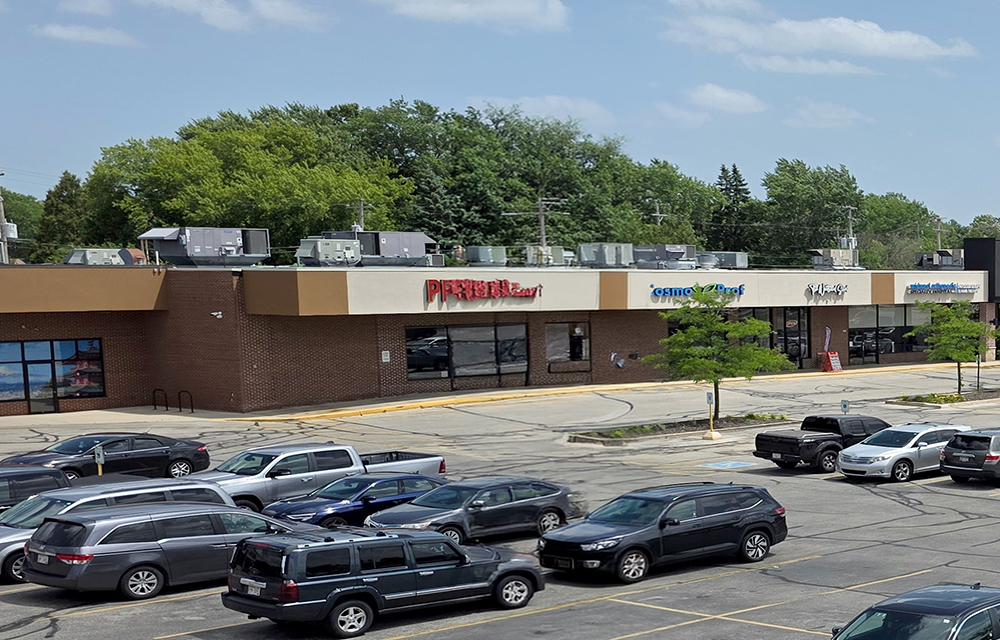
United Properties Corp. expands Wisconsin and Illinois retail presence adding 200,000 s/f
West Allis, WI United Properties Corp. completed two retail acquisitions totaling $27.4 million across Illinois and Wisconsin, adding 205,000 s/f of shopping center space to its portfolio





 (2).gif)

Columns and Thought Leadership

Positive forecast for New York’s pro-housing push? - by Philip Butler
New York’s housing crisis remains a hot button topic despite growing consensus that varied and affordable housing is desperately needed statewide. Governor Hochul has recently introduced several initiatives to overcome N.Y.’s anti-housing

A guide to finding the right NYC property management company - by Sanjay Gandhi
Being a small to midsize landlord in NYC is an increasingly demanding endeavor. From navigating complex regulations, increased compliance demands to dealing with tenant issues and remediating violations. It is wise to enlist the assistance of a partner, a professional

New York’s streets are full again, and the retail numbers prove it - by Noam Aziz
Walk down any New York block this year and you can feel it. The sidewalks are crowded, the storefronts are lit, and the energy that defines this city is back at full volume.

Hunt commercial real estate question and answer: Fortune 500 wisdom - by David Hunt
Yes, there are lessons to be learned from the largest companies in America when comes to managing your real estate. But the decision to buy or lease real estate may not be one of
.gif)