


 (2).gif)
News:
Spotlight Content
Posted: May 30, 2008
Hero/Beech-Nut breaks ground on $124m manufacturing and processing plant
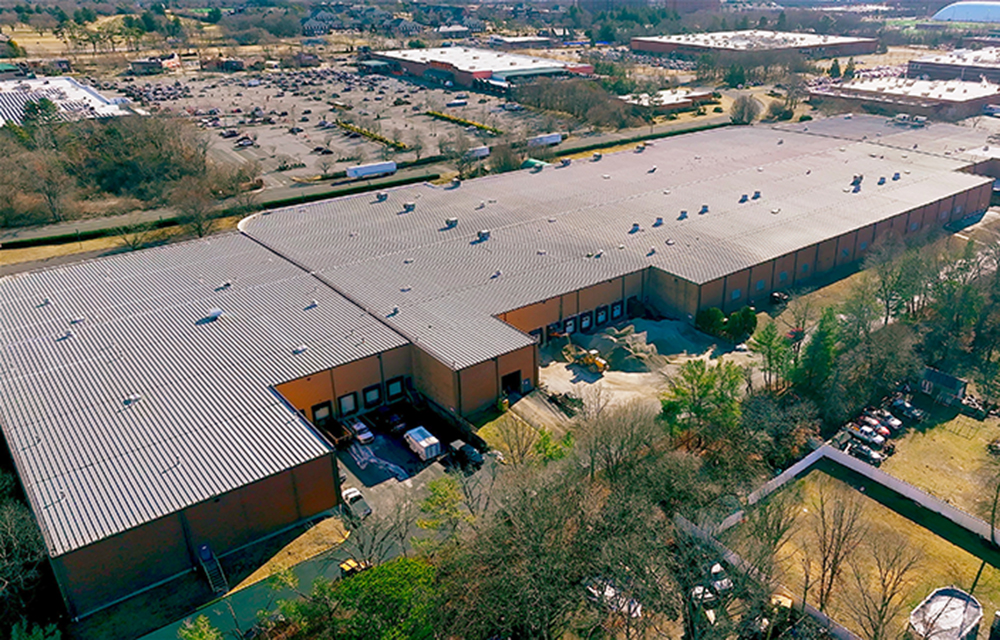
Hero/Beech-Nut is breaking ground on a new $124 million manufacturing and processing plant.
The new plant, to be located in the Town of Florida Industrial Park off Rte. 55, will keep 356 jobs in upstate New York and create another 135 jobs.
Hero Group, Hero/Beech-Nut's parent company is also relocating its North American headquarters from St. Louis to the town of Florida. Hero Corp. is based in Switzerland.
The groundbreaking comes a year after the baby food-maker announced plans to build the 650,000 s/f processing and packaging plant in Montgomery County, N.Y.
The new plant, being built outside Amsterdam, N.Y., will replace a 100 year old factory in Canajoharie that was damaged during spring flooding of the Mohawk River in 2006. Beech-Nut has made baby food at the location since 1931.
The company also has a facility in Fort Plain, N.Y.
Beech-Nut will benefit from $104.5 million in state and local incentives, grants and tax breaks.
Empire State Development Corp. will help finance the project with up to $18 million for construction, machinery and equipment. The project is located in the Amsterdam Empire Zone, which makes Beech-Nut eligible for $42 million in tax breaks and incentives.
The Montgomery County Industrial Development Agency will provide another $38.5 million in tax incentives and Beech-Nut can apply for a $2 million grant from the New York Energy Research and Development Authority, and will benefit from a $3 million grant from the New York State Assembly. The Department of Housing and Community Renewal will provide $750,000 for the project, while National Grid will provide $250,000 to help the company get established.
Construction crews from Rifenburg Construction in Troy will begin excavation on the site.
Tags:
Spotlight Content
MORE FROM Spotlight Content

NYREJ's 2026 Developing Long Island Spotlight is here!
This spotlight showcases projects completed and currently under construction across Long Island as well as highlights improvements made to the region through Industrial and Economic Development Agencies and BIDs.



.png)

Quick Hits


Columns and Thought Leadership

Properly serving a lien law Section 59 Demand - by Bret McCabe
Many attorneys operating within the construction space are familiar with the provisions of New York Lien Law, which allow for the discharge of a Mechanic’s Lien in the event the lienor does not commence an action to enforce following the service of a “Section 59 Demand”.

CRE Guide Featured Company: Merritt Environmental Consulting Corp.
Merritt Environmental Consulting Corp. (MECC) was established in June of 2009 after being part of a larger engineering firm for almost 20 years. The focus of the company is to assist lending institutions, attorneys, real estate investors, and property owners with environmental concerns. Today, MECC has offices in New York, Florida, and Vermont and has grown into a regional consulting firm serving clients along the East Coast.

2026 Developing Queens: Long Island Board of Realtors advances commercial growth and advocacy in Queens
The Long Island Board of Realtors (LIBOR) Commercial Network continues to play a key role in advancing opportunities and strengthening the commercial real estate landscape across Queens. Through targeted programming and global outreach

From vacancy to vitality: How adaptive reuse is reshaping Long Island’s CRE landscape - by Andrea Tsoukalas Curto
Adaptive reuse has become one of the most important conversations in commercial real estate today. Long Island has a large inventory of aging retail, office and industrial