



News:
Brokerage
Posted: August 6, 2019
GZA GeoEnvironmental named a Big Apple Brownfield Award recipient

Edelman Sultan Knox Wood, and Steve Kline, Associate Principal of GZA
Bronx, NY GZA GeoEnvironmental, Inc. (GZA), a leading multi-disciplinary firm providing geotechnical, environmental, ecological, water, and construction management services, has been named a Big Apple Brownfield Award recipient for its work on the Reaching New Heights Residence and Apartments.
Sponsored by the New York City Brownfield Partnership, the Big Apple Brownfield Awards promote excellence in brownfield redevelopment by honoring successful brownfield projects in the city.
As part of an overall development team, GZA won the partnership’s Supportive/Affordable Housing brownfield award for its work for the Bowery Residents Committee to turn an abandoned industrial site in the borough into a nine-story, 135-unit permanent affordable housing development with a 200-bed shelter for the homeless on its first two floors. The overall mix of permanent affordable housing and shelter is considered a model for future housing development across the city.
GZA’s team, led by senior vice president Benjamin Alter, conducted the site assessment and investigation and developed the remedial action plan, which included the installation of a vapor barrier and a subslab depressurization system in the new building.
GZA was honored by the NYC Brownfield Partnership along with the Bowery Residents’ Committee, Edelman Sultan Knox Wood Architects, and Leonard Strandberg and Associates, a consulting engineering and land surveying firm. The project site remediation was funded by the New York City Office of Environmental Remediation E-Designation Program.
GZA worked with multiple city and state agencies as well as multiple members of the project team to complete the project. Among the project complications that GZA helped solve were the former presence of a gas holder for manufactured gas; the excavation and disposal of over 14,000 tons of contaminated soils; and the discovery of an abandoned, leaking 5,000-gallon underground fuel storage tank.
GZA CEO Patrick Sheehan said, “GZA is proud and honored to be recognized by the New York City Brownfield Partnership for our work to bring the Reaching New Heights Residence and Apartments project to successful completion. To transform this once-abandoned site into a model for creating new homes and new hope for hundreds of New York City residents is an especially inspiring example of brownfield redevelopment.”
Tags:
Brokerage
MORE FROM Brokerage
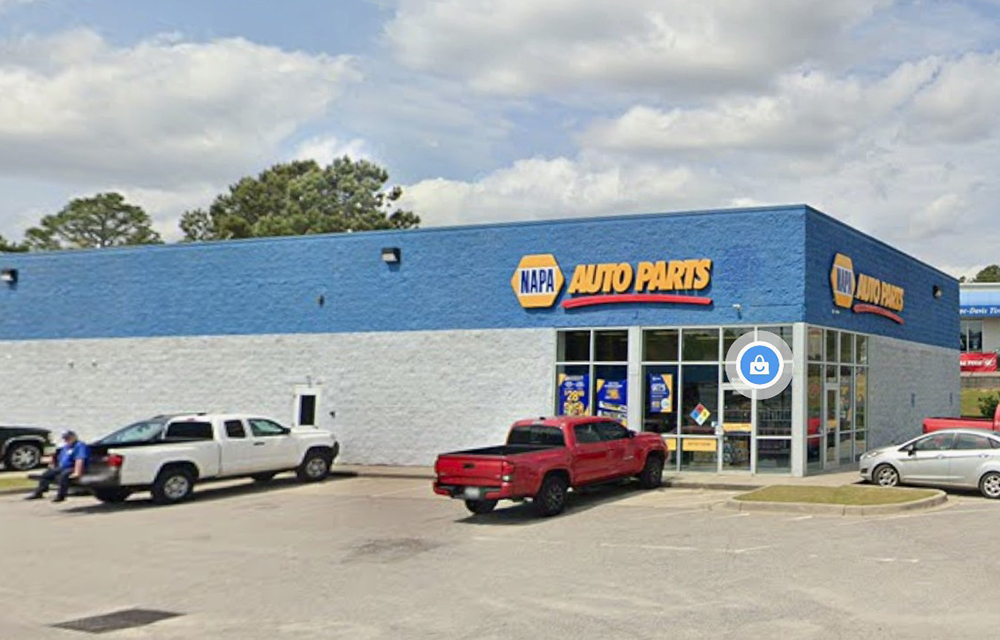
Marcus & Millichap brokers $15 million sale of multi-state NAPA Auto Parts portfolio
Palmetto, FL Marcus & Millichap brokered the sale of a nine-property NAPA Auto Parts portfolio for $15,025,104. The portfolio includes properties in Palmetto, FL.;




Quick Hits
 (2).gif)

Columns and Thought Leadership

New York’s streets are full again, and the retail numbers prove it - by Noam Aziz
Walk down any New York block this year and you can feel it. The sidewalks are crowded, the storefronts are lit, and the energy that defines this city is back at full volume.

A guide to finding the right NYC property management company - by Sanjay Gandhi
Being a small to midsize landlord in NYC is an increasingly demanding endeavor. From navigating complex regulations, increased compliance demands to dealing with tenant issues and remediating violations. It is wise to enlist the assistance of a partner, a professional

Hunt commercial real estate question and answer: Fortune 500 wisdom - by David Hunt
Yes, there are lessons to be learned from the largest companies in America when comes to managing your real estate. But the decision to buy or lease real estate may not be one of

Positive forecast for New York’s pro-housing push? - by Philip Butler
New York’s housing crisis remains a hot button topic despite growing consensus that varied and affordable housing is desperately needed statewide. Governor Hochul has recently introduced several initiatives to overcome N.Y.’s anti-housing
.gif)