



News:
Brokerage
Posted: December 10, 2024
Grow your CRE network, close more deals: Three must-try marketing tips for 2025 - by Kimberly Zar Bloorian

As we move into 2025, networking in commercial real estate (CRE) looks a lot different than it did a few years ago. Digital platforms and new marketing trends make it easier — and more necessary — to connect strategically. Here are three actionable tips to help you expand your network and stand out.
1. Show Up Where It Matters: LinkedIn and Social Media
LinkedIn remains the go-to platform for CRE professionals. Post market updates, success stories, and industry insights to position yourself as a thought leader. Use advanced search tools to connect with brokers, investors, and property managers. Don’t forget social media — especially Instagram. Create engaging Reels showcasing property tours, quick tips, or behind-the-scenes moments. Showing your face in videos builds trust and relatability, helping you connect with your audience on a deeper level.
2. Host 2025 Themed Events
Everyone wants to know what’s next in CRE. Host webinars or meetups on topics like “2025 Market Trends” or “What’s Next for Commercial Spaces.” Partner with industry experts to expand your reach. After the event, follow up with attendees to turn casual connections into meaningful relationships.
3. Personalize Your Email Outreach
Email remains a cornerstone of networking in 2025, but success lies in personalization and consistency. Craft emails that feel tailored to each recipient or specific, segmented lists based on factors like interest or location. Show genuine effort by referencing their market, recent projects, or industry trends relevant to their business. These personalized touches make your outreach stand out and demonstrate your value as a connection. When done well, a thoughtfully crafted email can be the key to opening doors and building long-lasting professional relationships.
At KLOUD Real Estate Marketing, we specialize in helping CRE professionals grow their networks through cutting-edge strategies. Let us help you build connections and close more deals in 2025!
Kimberly Zar Bloorian is the founder and CEO of KLOUD Real Estate Marketing, Great Neck, N.Y.
Tags:
Brokerage
Long Island
MORE FROM Brokerage
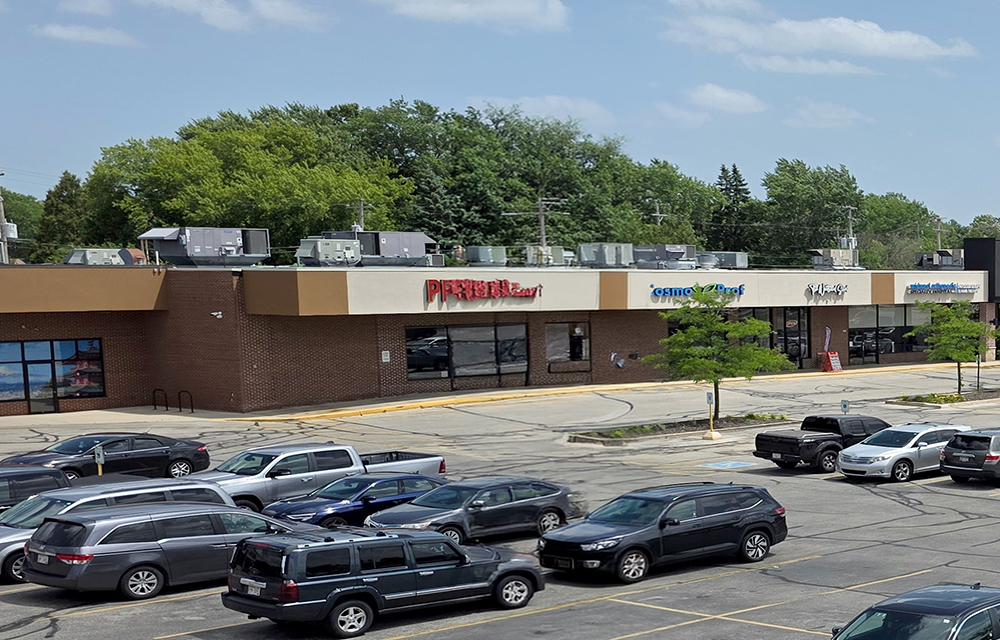
United Properties Corp. expands Wisconsin and Illinois retail presence adding 200,000 s/f
West Allis, WI United Properties Corp. completed two retail acquisitions totaling $27.4 million across Illinois and Wisconsin, adding 205,000 s/f of shopping center space to its portfolio




Quick Hits

Columns and Thought Leadership

A guide to finding the right NYC property management company - by Sanjay Gandhi
Being a small to midsize landlord in NYC is an increasingly demanding endeavor. From navigating complex regulations, increased compliance demands to dealing with tenant issues and remediating violations. It is wise to enlist the assistance of a partner, a professional

Hunt commercial real estate question and answer: Fortune 500 wisdom - by David Hunt
Yes, there are lessons to be learned from the largest companies in America when comes to managing your real estate. But the decision to buy or lease real estate may not be one of

New York’s streets are full again, and the retail numbers prove it - by Noam Aziz
Walk down any New York block this year and you can feel it. The sidewalks are crowded, the storefronts are lit, and the energy that defines this city is back at full volume.

Positive forecast for New York’s pro-housing push? - by Philip Butler
New York’s housing crisis remains a hot button topic despite growing consensus that varied and affordable housing is desperately needed statewide. Governor Hochul has recently introduced several initiatives to overcome N.Y.’s anti-housing
.gif)