



News:
Brokerage
Posted: March 21, 2017
Gelbstein, Berg and Rozental of GFI arrange $2.8 million sale
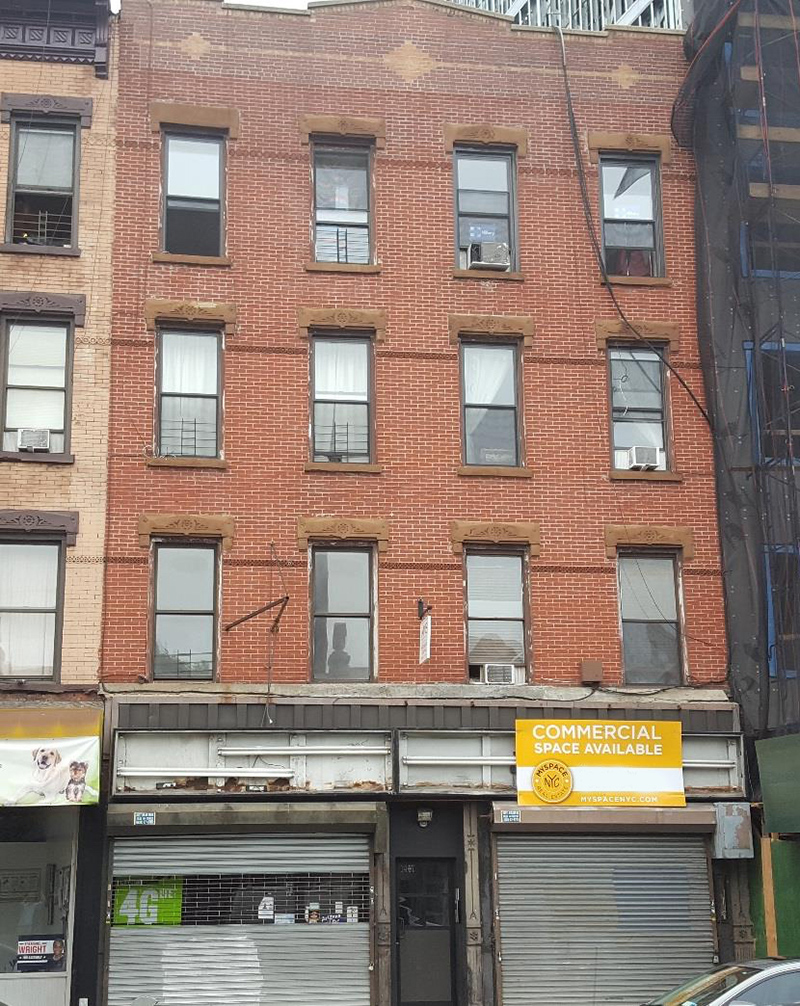 1407 Fulton Street, Bedford-Stuyvesant - Brooklyn, NY
Brooklyn, NY GFI Realty Services, LLC completed the $2.8 million sale of 1407 Fulton St., a four-story, mixed-use building in the Bedford-Stuyvesant section. Located between Marcy and Throop Aves., the property is composed of six three-bedroom apartments and a vacant ground-floor retail unit. In total, the building comprises 7,821 s/f.
GFI Realty associate Moshe Gelbstein procured the buyer, a local investor. Sasha Berg and Solomon Rozental, also of GFI Realty, represented the seller, Eric Mann of the Mann Group.
“There aren’t many opportunities to acquire a mixed-use asset of this caliber, and the seller sought to capitalize on today’s strong market,” said Berg. “There is great demand for both large apartments and retail on a major commercial corridor, such as Fulton Street, so the property was very attractive to a range of investors.”
 Sasha Berg, GFI Realty Services, LLC
Rozental said, “The mix of rent-stabilized and free-market apartments offers a great opportunity for current cash flow as well as future revenue growth.”
With its location on the Fulton St. commercial corridor, the property is surrounded by numerous local and national retailers including Chase, Walgreens, GameStop and TD Bank.
“Residents continue to flow towards Bedford-Stuyvesant because they see it as a viable alternative to its pricey neighbors, such as Clinton Hill and Downtown Brooklyn,” said Gelbstein. “The buyer recognized the future returns that can be gained from this mixed-use asset and intends to complete significant capital improvements to add value to the property.”
GFI Realty Services, LLC imparts strategic and comprehensive solutions to maximize the value of real estate assets. Offering a wide array of brokerage services including investment sales, commercial real estate financing and retail leasing, GFI Realty Services, LLC utilizes its affiliate companies’ fully-integrated platform to provide owners, buyers, landlords and tenants nationwide with the market knowledge and due diligence required to consummate multifaceted transactions.
The company’s extensive knowledge of the commercial real estate industry, advanced analytical capabilities and incomparable client services position its executives as masters at executing off market and complex deals that require the most innovative solutions.
Tags:
Brokerage
MORE FROM Brokerage

AmTrustRE opens Midtown office space at 260 Madison up to over 50 artists for exhibition
Manhattan, NY AmTrustRE has opened up an entire vacant office floor at its Midtown property, 260 Madison, to more than 50 artists for a temporary exhibition that gives the stripped-out space a new use.




Quick Hits
 (2).gif)

Columns and Thought Leadership

A guide to finding the right NYC property management company - by Sanjay Gandhi
Being a small to midsize landlord in NYC is an increasingly demanding endeavor. From navigating complex regulations, increased compliance demands to dealing with tenant issues and remediating violations. It is wise to enlist the assistance of a partner, a professional

Hunt commercial real estate question and answer: Fortune 500 wisdom - by David Hunt
Yes, there are lessons to be learned from the largest companies in America when comes to managing your real estate. But the decision to buy or lease real estate may not be one of

Positive forecast for New York’s pro-housing push? - by Philip Butler
New York’s housing crisis remains a hot button topic despite growing consensus that varied and affordable housing is desperately needed statewide. Governor Hochul has recently introduced several initiatives to overcome N.Y.’s anti-housing

New York’s streets are full again, and the retail numbers prove it - by Noam Aziz
Walk down any New York block this year and you can feel it. The sidewalks are crowded, the storefronts are lit, and the energy that defines this city is back at full volume.
.gif)