



News:
Brokerage
Posted: October 16, 2018
GAIA Real Estate acquires 90 condo units on the Upper East Side for $52.5 million
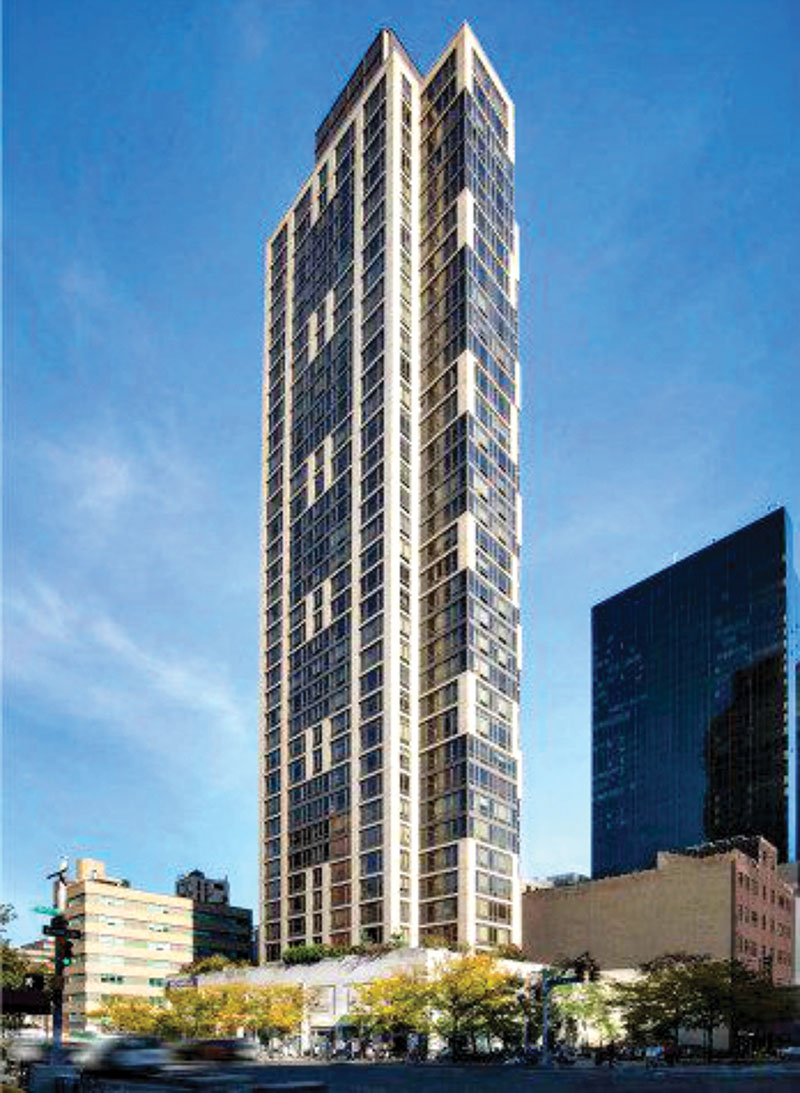 Manhattan, NY GAIA Real Estate has acquired 90 condo units in a bulk sale for $52.5 million from the original sponsor at Bridge Tower Place, a luxury condo building on the Upper East Side. The original sponsor is an affiliate of The Brodsky Organization.
CBRE was the investment sales broker for the seller.
 Bridge Tower Place, at 401 East 60th St., is a 38-story full-service condominium building overlooking the East River, with select units featuring terraces, 24-hour concierge service, underground garage access fitness center, sun roof deck and children’s playroom.
“This acquisition represents GAIA’s strategy to acquire bulk unsold condo units,” said GAIA’s Managing partner Danny Fishman, who pointed out that Gaia has purchased hundreds of bulk condo units in New York City since 2009. “Despite being a net seller in Manhattan and Nationwide in the last two years, GAIA was drawn to this quality asset by its desirable location in a vibrant neighborhood.”
Bridge Tower Place is GAIA’s first acquisition in New York City in over three years.
“For Bridge Tower Place, the Second Ave. subway and the return of retail and other changes also make this area a desirable investment with a high quality of living,” he said.
Fishman believes that prime Manhattan locations like Bridge Tower Place should be priced above most other boroughs of New York City and up-and-coming areas like Jersey City. “First and Second Aves. on the Upper East Side are undervalued,” said Fishman.
The Bridge Tower Place bulk condo acquisition represents a continuation of GAIA’s broader strategy to acquire multifamily assets in urban, walkable neighborhoods within primary and secondary markets. “We see the strong trend of young professionals moving to urban locales continuing and high-paying jobs looking for talent following the same pattern,” added Fishman. “We also see empty nesters selling their big suburban homes and moving to walkable urban areas.”
Tags:
Brokerage
MORE FROM Brokerage
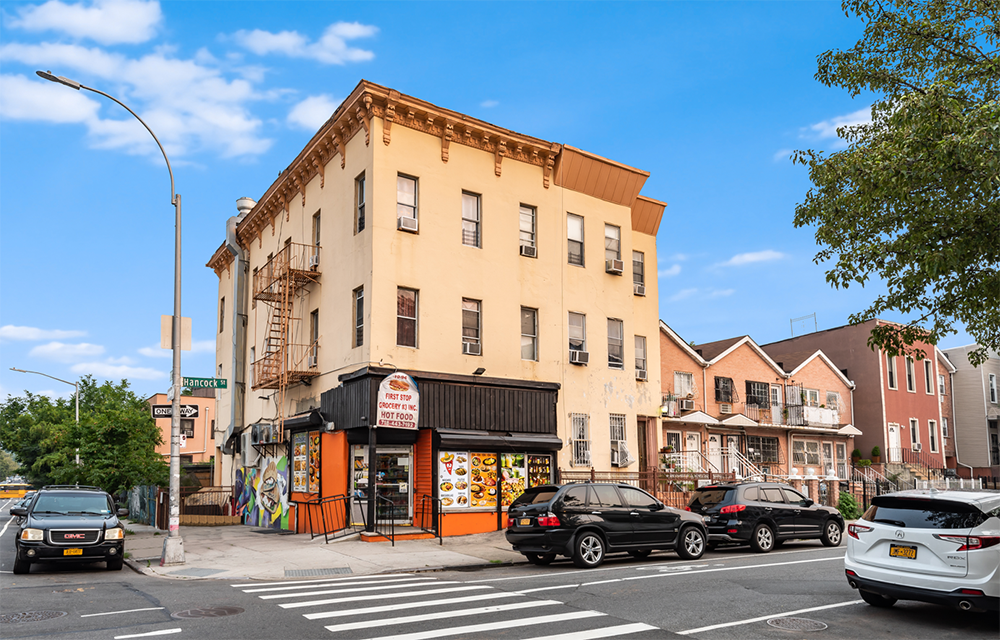
Investment Property Realty Group closes $1.75 million sale of 1094 Hancock Street in Brooklyn
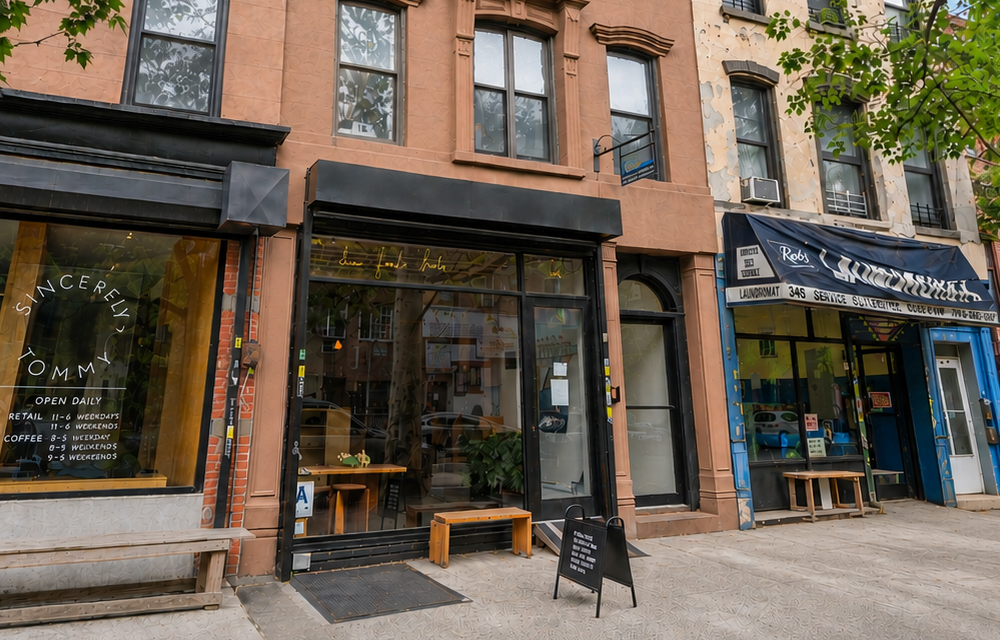
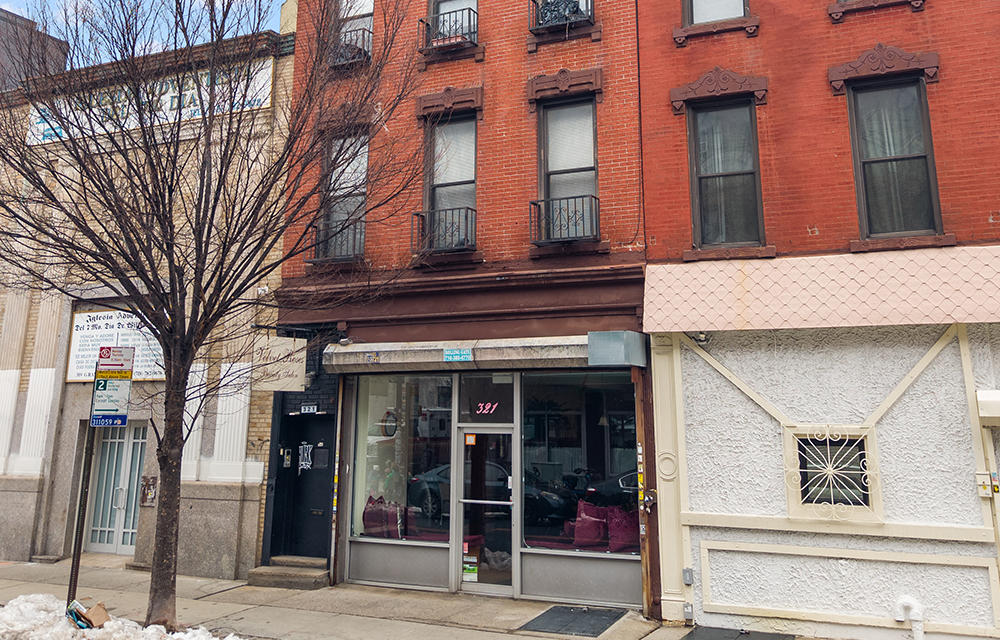
Brooklyn, NY Investment Property Realty Group (IPRG), a New York-based commercial investment firm, has closed the sale of 1094 Hancock St., a mixed-use building in the Bushwick section, for $1.75 million.


Quick Hits
 (2).gif)

Columns and Thought Leadership

Hunt commercial real estate question and answer: Fortune 500 wisdom - by David Hunt
Yes, there are lessons to be learned from the largest companies in America when comes to managing your real estate. But the decision to buy or lease real estate may not be one of

Hunt CRE question and answer: Choosing a real estate agent - by David Hunt
First, we will only work with one agent exclusively. The primary reason is that we want that agent to legally represent our client’s interests. In New York State, a real estate agent has a fiduciary

New York’s streets are full again, and the retail numbers prove it - by Noam Aziz
Walk down any New York block this year and you can feel it. The sidewalks are crowded, the storefronts are lit, and the energy that defines this city is back at full volume.

A guide to finding the right NYC property management company - by Sanjay Gandhi
Being a small to midsize landlord in NYC is an increasingly demanding endeavor. From navigating complex regulations, increased compliance demands to dealing with tenant issues and remediating violations. It is wise to enlist the assistance of a partner, a professional
.gif)