



News:
Brokerage
Posted: July 8, 2025
Four restaurants join lineup at The Hugh
Manhattan, NY According to BXP, four restaurants are opening at The Hugh, a food hall in Midtown operated by BXP. The concepts – Ö Bar, Lacoce, STRETCH Pizza, and Petite Maman – join a range of food and beverage offerings.
“At The Hugh, we’ve cultivated a vibrant culinary destination in Midtown Manhattan that celebrates a range of flavors and cuisines,” said Andrew Levin, SVP of leasing at BXP.
“More than just a food hall, it’s a thriving community, offering our office clients, neighbors, and visitors a fresh and exciting dining experience. We’re thrilled to expand our unique collection of restaurants with the addition of Lacoce, Ö Bar, Lacoce, Petite Maman, and Stretch Pizza.”
Located at 601 Lexington Ave., The Hugh is a food hall featuring 15 restaurants, including a cocktail bar, speakeasy, and a craft beer taproom, all accented by a large central seating area and a collection of art, murals, and greenery. The four restaurants who have joined or are opening at The Hugh this spring include:
Lacoce (la cocina central) – Focused on regional Latin meal experiences, Lacoce delivers fresh Latin cuisine in a fast casual, elevated atmosphere, with specialties including tacos, burritos, bowls, nachos, and baked chicken with its signature mole sauce. Now open!
Ö Bar – From influential chef Esther Choi, Ö Bar features Korean-inspired cocktails, snacks, and an extensive Kimbap offering, including both traditional favorites and original creations like Katsu, K-BBQ, and more. Now open!
Petite Maman –This smaller scale cafe concept combines the best of Maman cafés with the ease and speed of grab-and-go service, drawing inspiration from ownership’s childhood favorites from the South of France. Some of the most popular menu items that will be available this spring include the breakfast brioche, the daily quiche, and the farmhouse granola parfait. Now open!
Stretch Pizza – Opening this spring, Stretch is the brainchild of Wylie Dufresne of wd-50 and Gadi Peleg of Breads Bakery. The pizza eatery will offer a menu of both traditional and innovative 12-inch New York style pizzas along with solid salads, snacks, and the ever-popular soft serve.
Named after the architect Hugh Stubbins, The Hugh spans 30,000 square feet and features high ceilings, hanging glass globe lights, tree canopies, and art by local New York artists. The food hall anchors BXP’s 601 Lexington Avenue, a 1.6 million square foot premier workplace as part of its Midtown Campus.
Tags:
Brokerage
MORE FROM Brokerage
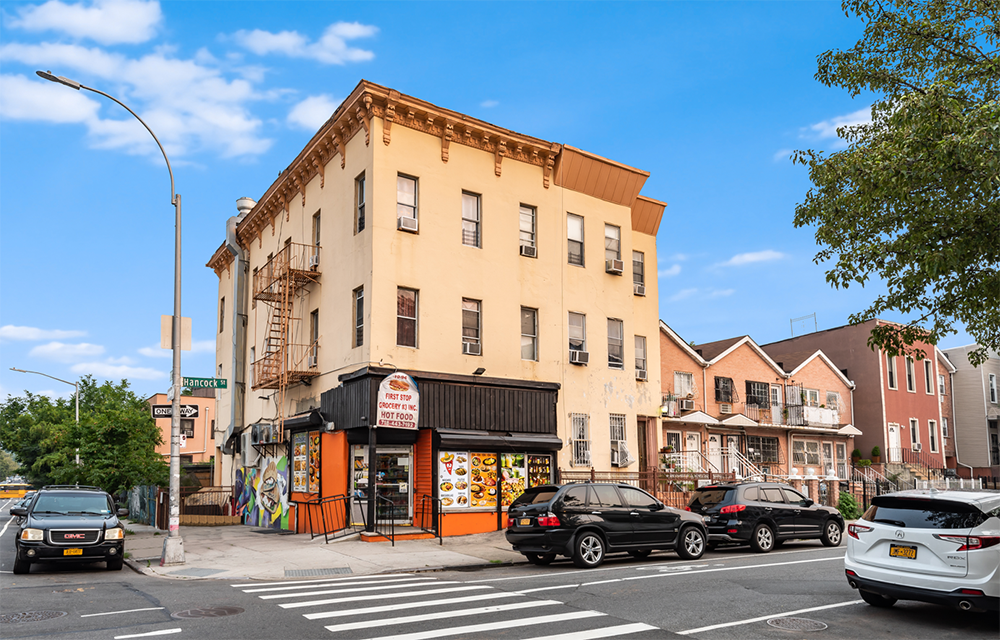
Investment Property Realty Group closes $1.75 million sale of 1094 Hancock Street in Brooklyn
Brooklyn, NY Investment Property Realty Group (IPRG), a New York-based commercial investment firm, has closed the sale of 1094 Hancock St., a mixed-use building in the Bushwick section, for $1.75 million.



 (2).gif)

Columns and Thought Leadership

A guide to finding the right NYC property management company - by Sanjay Gandhi
Being a small to midsize landlord in NYC is an increasingly demanding endeavor. From navigating complex regulations, increased compliance demands to dealing with tenant issues and remediating violations. It is wise to enlist the assistance of a partner, a professional

Hunt CRE question and answer: Choosing a real estate agent - by David Hunt
First, we will only work with one agent exclusively. The primary reason is that we want that agent to legally represent our client’s interests. In New York State, a real estate agent has a fiduciary

New York’s streets are full again, and the retail numbers prove it - by Noam Aziz
Walk down any New York block this year and you can feel it. The sidewalks are crowded, the storefronts are lit, and the energy that defines this city is back at full volume.

Hunt commercial real estate question and answer: Fortune 500 wisdom - by David Hunt
Yes, there are lessons to be learned from the largest companies in America when comes to managing your real estate. But the decision to buy or lease real estate may not be one of
.gif)