

News: Brokerage

Eyzenberg and Vladislavova of Eyzenberg & Co. secure $22 million with Chase Bank

David Eyzenberg,
Eyzenberg & Co.


Anastasia Vladislavova,
Eyzenberg & Co.


Manhattan, NY Eyzenberg & Co. has arranged $22 million in senior secured debt to refinance a portfolio of three multifamily rental properties comprising 186 units and one community facility space.

David Eyzenberg, president, and Anastasia Vladislavova, analyst, arranged the loan with Chase Bank on behalf of the undisclosed borrower. According to Eyzenberg, Chase Bank was able to meet the borrower’s needs by providing long-term, 10-year, fixed-rate financing based on the strength of both the assets and the Washington Heights apartment rental market. 

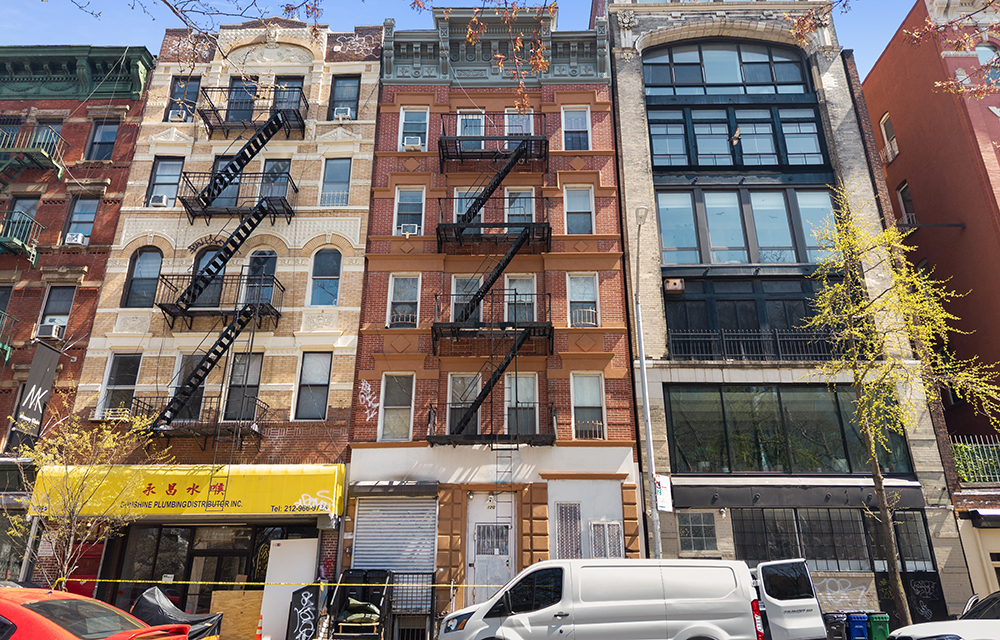
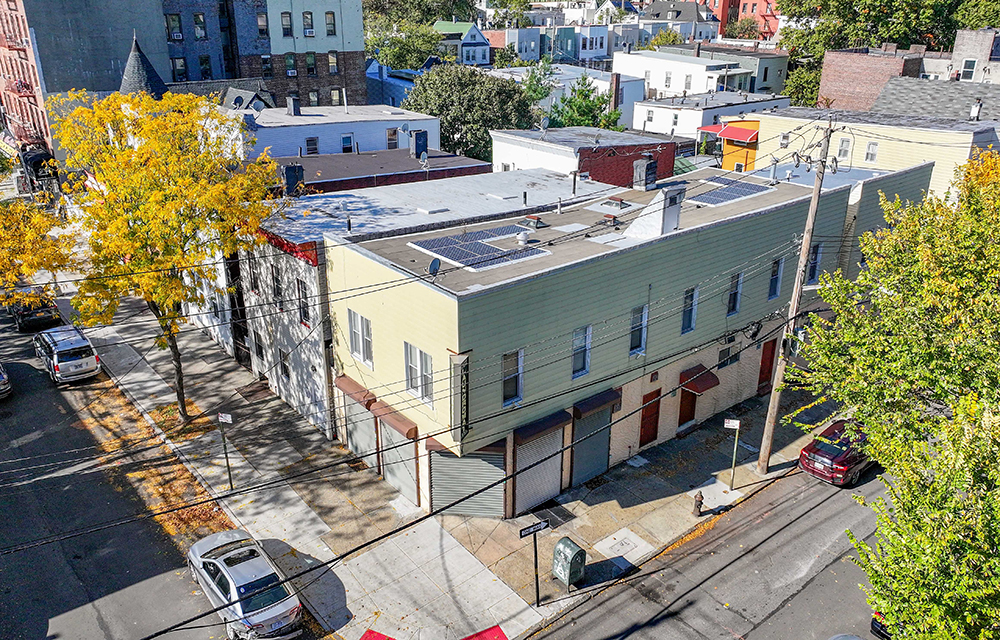
Ownership has operated the three pre-war buildings, situated on Wadsworth Ave., 189th and 188th Sts. since 2008, and upgraded the apartments with modern conveniences such as granite countertops, stainless steel appliances and hardwood flooring. 

Amenities include laundry facilities, common areas and on-site supers. Located close to the A express or 1 trains.

“The well-managed properties are located in one of the tightest submarkets in New York with a one per cent vacancy rate,” said Eyzenberg. “With the neighborhood seeing a flurry of new retail arrivals, including a new Target store, and the renovation of the GW Bridge Bus Station complete, Washington Heights is expected to experience continued demand from renters seeking the type of well-maintained and competitively priced units offered within this portfolio.”

“We were able to secure optimal financing reflective of our client’s substantial experience and the desirability of this portfolio in a market where demand continues at a historic high and rent growth remains relatively strong with tailwinds into the foreseeable future,” Eyzenberg said.

MORE FROM Brokerage

AmTrustRE secures 5,754 s/f lease with GKV Architects at 360 Lexington Avenue

Manhattan, NY AmTrustRE has executed a 5,754 s/f lease at its premier boutique Midtown East office tower, 360 Lexington Ave., with longtime partner GKV Architects. The award-winning firm will occupy a portion of the 14th floor. >“GKV Architects has been a trusted partner to AmTrustRE for over two decades, playing an integral role in shaping and elevating several
READ ON THE GO
DIGITAL EDITIONS
Subscribe
Columns and Thought Leadership
The anticipated effect of Basel III and ISO 20022 implementation on commercial real estate - by Michael Zysman

The anticipated effect of Basel III and ISO 20022 implementation on commercial real estate - by Michael Zysman

July 1, 2025 is the deadline for US banks to begin to adopt Basel III banking standards and July 14, 2025 is the deadline for U.S. banks to adopt ISO 20022 messaging standards. Both will have a significant effect on the banking and commercial real estate (CRE) finance sectors.
The death of the generic offering memorandum: What buyers expect in 2025 - by Kimberly Zar Bloorian

The death of the generic offering memorandum: What buyers expect in 2025 - by Kimberly Zar Bloorian

There was a time when an offering memorandum (OM) was pretty bare bones, some photos, a few bullet points on income, and a rent roll thrown in at the back. That used to get the job done. Not anymore. In 2025, buyers are sharper, faster, and more selective. They’re looking
A fresh start - by Shallini Mehra and Amit Doshi

A fresh start - by Shallini Mehra and Amit Doshi

For the past several years, the New York City multifamily housing market has been defined by disruption. The combined impact of the HSTPA rent laws and a sharply higher interest rate environment has fundamentally reduced
Tri-state capital  migrates nationally amid  regulation pressure - by Reese Weaver

Tri-state capital migrates nationally amid regulation pressure - by Reese Weaver

New York tri-state multifamily investors are increasingly reallocating capital to less-regulated markets across the U.S. as rent control and legislative risk erode returns at home. With over 60% of New York City’s rental housing stock classified as rent-stabilized, the traditional value-add model — buying under-performing buildings,