



News:
Brokerage
Posted: July 3, 2018
Executive of the Month: Greg Kalikow of Kalikow Group and Kaled Management leads his team by example
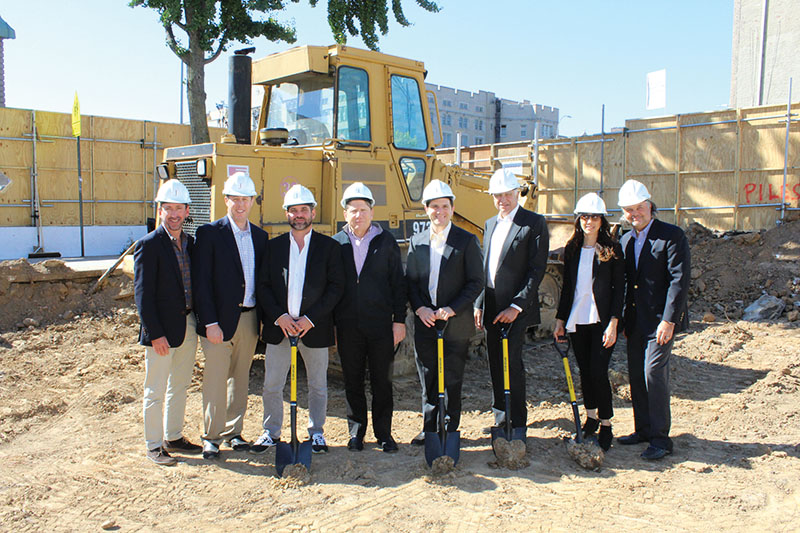
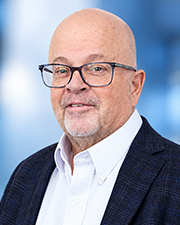
New York, NY The New York Real Estate Journal recently sat down with Greg Kalikow of Kalikow Group & Kaled Management for a question and answer session.
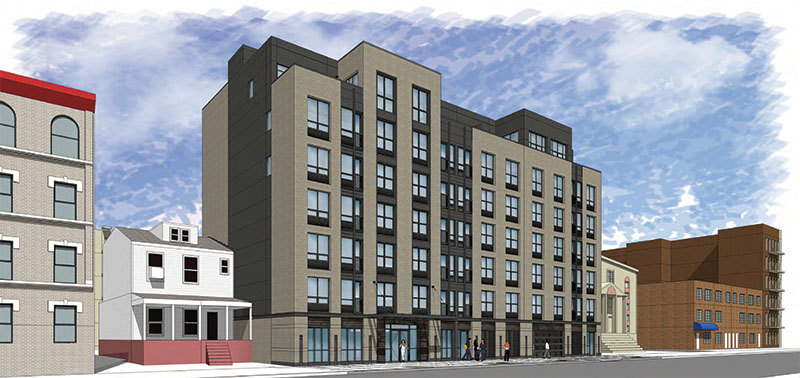
Q: When did you first get into the family business?
A: When I was 12 years old, I visited a Forest Hills, Queens apartment renovation in one of our family buildings that our renovation crew was working on. I asked one of the workers if I could help jackhammer some of the tiles out of a bathroom. The worker agreed, I pulled on a helmet and safety equipment and started hammering away. It was a joy I had never experienced before. From that moment, I knew I would be involved in my family’s real estate business.
Q: What do you do at your family’s business today?
A: I work side by side with my father, Ed, my cousin Jordan, managing all aspects of both of our family real estate businesses, Kaled Management and The Kalikow Group. The former manages approximately 7,000 residential units across New York City; the latter provides equity financing for construction projects in New York, the Southeast United States and elsewhere.
Q: What’s it like being the next generation of leadership in a real estate business - especially one based in New York?
A: I’m one of many members of my generation who have grown up in their family’s New York real estate business, learning on the job and preparing to one day take the reins. I think that individually and together, we’re facing a new set of challenges, some of which have yet to reveal themselves.
Q: What are some of those challenges?
A: Just check the skyline–we have a glut of residential units set to come online from mega projects in Hudson Yards and Long Island City. Neighborhoods are undergoing massive transformation and rental pricing is high. Savvy tenants are more educated and have the ability to shop around through StreetEasy and broker websites, making their search more effective and easier than ever before.
We’re one of many investors who have decided to wait and see how the new inventory is absorbed before we look to acquire multifamily units – and that might not be until 2019.
I also think the loss of the income tax deduction in the latest federal tax law is hurting the condo and home buyer market, providing less incentive to buy. Manhattan investment sales are down 60% year over year from 2016 to 2017 and that effect is rippling out across Brooklyn and Queens as well.
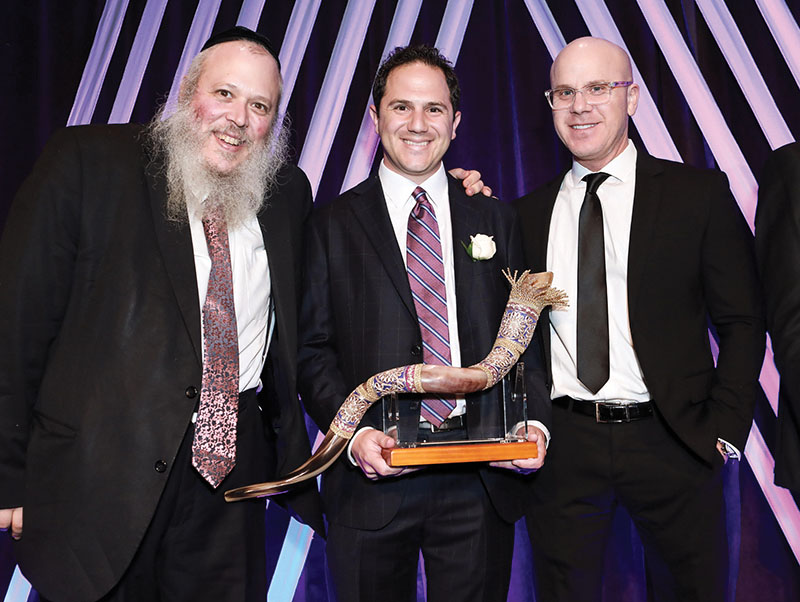
of YJP and Greg Corbin, executive managing director at The
Besen Group, as he receives the “Ambassador Award” at the
YJP Founders’ Dinner on June 19th.
Q: What are some of the challenges around raising equity for new projects in today’s marketplace?
A: Raising equity for a project can be a challenge even in a healthy real estate market. You have two options: You can do it through family and close business associates which can strain relationships when returns don’t match projections; or you can also set up funds for people strictly focused on IRR, which can limit the investment strategy and force you to deploy capital sooner than comfortable based on the parameters of the fund. We tend to gravitate to the former option–we like to partner based on long-term relationships and we are always open to cultivating those relationships. “Betting the jockey instead of the horse” is a phrase my grandfather, Sidney, used to describe it. Meaning, that if someone trusts the jockey, the horse they’re riding becomes secondary. We like being the jockey.
Q: Have you seen varying strategies around deploying capital in the market?
A: Some firms have transitioned into lending, setting up mezzanine debt platforms. Others are developing an increased appetite for smaller-unit buildings that are not subject to rent stabilization and fall under the 2B tax class which limit yearly tax increases. These assets could be considered more attractive to landlords to buy, own and hold because they can pay long-term dividends at the right scale. Since larger investors typically won’t engage at this level, we’re seeing smaller players gobble up these buildings quickly.
The strategy we have been very bullish on is the flow of capital to the Southeast, to cities like Charleston, S.C. and Raleigh, N.C. Those areas are blessed with the perfect storm of inexpensive and potentially available land, growing downtowns that cater to recent college grads and first-time parents, a growing jobs sector and a climate that isn’t as punishing as New York’s. Multifamily construction in those markets are booming.
We have been active in the Carolinas and Florida for the last decade, with at least a half-dozen active multifamily projects where we have teamed up with local developer partners. That strategy has produced better returns on our investments than we could have gotten at home in New York, and it’s provided us with units to lease in desirable markets and projects to improve and subsequently divest.
We think Texas has a great deal of potential as well. Cities in Texas are largely dependent on a struggling oil industry and are becoming ripe for investment. Residents will be seeking new and less-expensive housing options that are a departure from the sprawl that defined the “Everything is bigger in Texas” mantra.
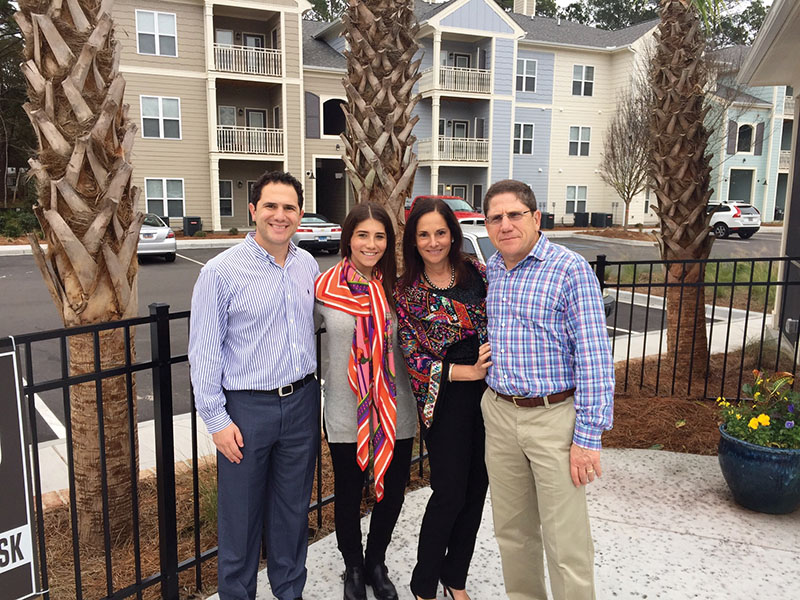
Q: How large is your family’s company? How do you foster a sense of appreciation and value in the office? How does that translate into your business?
A: Our Kalikow corporate mantra has always been to treat people like family. Many of our employees have been with us for a decade or more. We believe it is because we create an environment that encourages people to put down roots, to invest themselves in a company they can feel proud of. Even for Millennials–a generation which counts me as a member–we offer a place to call home, where management leads by example. Leaders should be the first in the office in the morning and the last to leave in the evening, and someone who doesn’t ask someone to do a job they wouldn’t do themselves.
More than anything, we strive to be caretakers for our businesses. Following in the footsteps of the generations that have come before us, we need to not only protect and nurture the legacy of what we’ve been handed but grow it to the benefit of the generation that will follow ours.
Q: What’s in store for the future of the Kalikow family businesses?
A: My daughter–who’s not yet two years old–will hopefully come into the family business when she is ready. When she does, I want to make sure she inherits a strong company that will be ready to serve the needs of our residents and partners that will look to her the way today’s residents and partners look to us.
Tags:
Brokerage
MORE FROM Brokerage
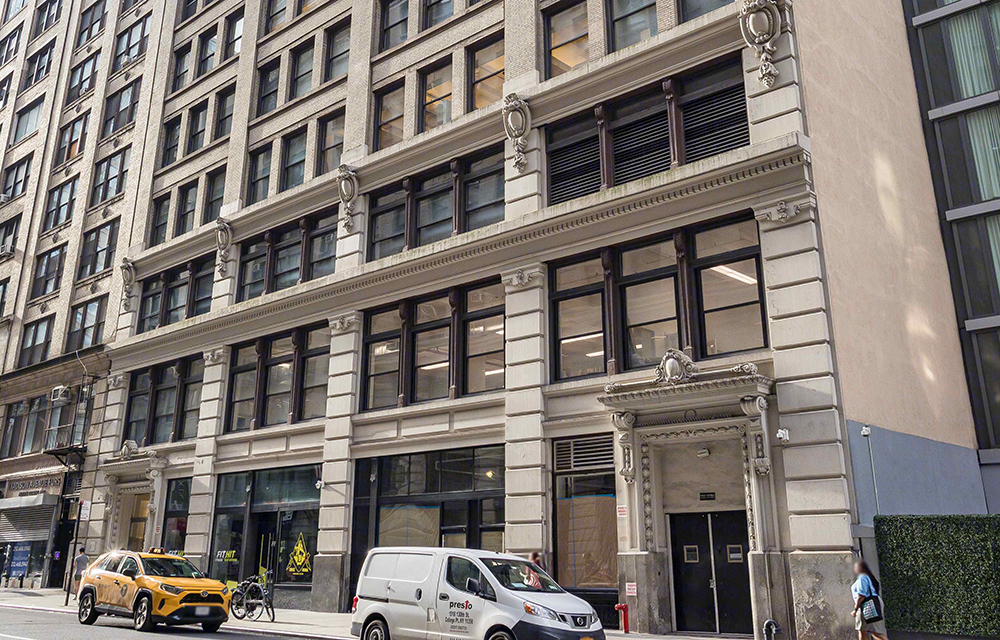
Koeppel Rosen inks 16-year 33,783 s/f lease for coworking firm Nomadworks at 122 West 27th St.
Manhattan, NY According to Koeppel Rosen LLC, leasing and management agent for the Rosen family portfolio, Nomadworks has signed a new 16-year, two-month lease totaling 33,783 s/f at 122 West


Quick Hits
 (2).gif)

Columns and Thought Leadership

Hunt CRE question and answer: Choosing a real estate agent - by David Hunt
First, we will only work with one agent exclusively. The primary reason is that we want that agent to legally represent our client’s interests. In New York State, a real estate agent has a fiduciary

Hunt commercial real estate question and answer: Fortune 500 wisdom - by David Hunt
Yes, there are lessons to be learned from the largest companies in America when comes to managing your real estate. But the decision to buy or lease real estate may not be one of

The art of investing in real estate - by Thomas Donovan
Real estate investing is as much an art as it is a skill. No one can time the market, or the factors that drive it, perfectly. Location, zoning, size, transportation, and neighborhood density give you a baseline for

New York’s streets are full again, and the retail numbers prove it - by Noam Aziz
Walk down any New York block this year and you can feel it. The sidewalks are crowded, the storefronts are lit, and the energy that defines this city is back at full volume.
.gif)