



News:
Brokerage
Posted: August 12, 2013
Doshi, Raff, and Bess of Besen & Associates secure $27.5 million sale of 48-unit apartment building
Besen & Associates has arranged the sale of the property at 5 West 91st Street, known as Gaia By The Park, located steps from Central Park West on the city's Upper West Side. The property is a 6-story, semi-fireproof elevator building comprised of 48 apartments. The property was built in 1973 and totals 48,972 s/f. The sale was completed at a price of $27.5 million by Amit Doshi, Glenn Raff and David Bess of Besen.
The property is brick construction, with 147 feet of frontage. Apartment layouts include 15 one-bedrooms, 27 two-bedrooms, 6 three-bedrooms. It is within walking distance to either the 86th St. or 96th St. IRT subway stops, also with access to the B, D, C lines. The building features a modern lobby, part-time doorman, community space, backyard space, and on-site laundry facilities. All units above the ground floor have balconies.
Midtown-based investment firm Gaia and Harel, the third largest insurance firm in Israel, purchased the 48-unit property in 2010 for $16.75 million. The building, between Central Park West and Columbus Avenue, is 95 percent occupied. Although most of the units are rent-stabilized, Gaia turned a few of them over to free market. "We upgraded a few of the amenities and renovated a few of the units," said Gaia managing partner Danny Fishman, adding that "it was a good time to sell."
The price equates to $562 per s/f, 19.7 GRM, and a 2.8% capitalization rate. The sales market for multifamily on the Upper West Side has been quite robust in the past 12 months. The sale comes on the heels of several other high-profile deals for Mr. Doshi, including the disposition of 2412 Broadway for $46,500,000. Besen & Associates presently has several other properties in the area under contract for considerably high prices.
The West 91 Street buyer was a Fort Lee, N.J. based family with real estate holdings in New York and New Jersey, which plans to maintain the property as a luxury rental.
"This transaction worked well for both parties," said Amit Doshi, who handled the listing. "The sellers took an attractive profit after a brief ownership period, and the purchasers acquired a quality asset with major growth potential remaining."
The seller was represented by Brian Beller of Phillips Nizer LLP, and the purchaser was represented by Seymour (Sy) Hurwitz of the Law Office of Seymour Hurwitz.
Tags:
Brokerage
MORE FROM Brokerage
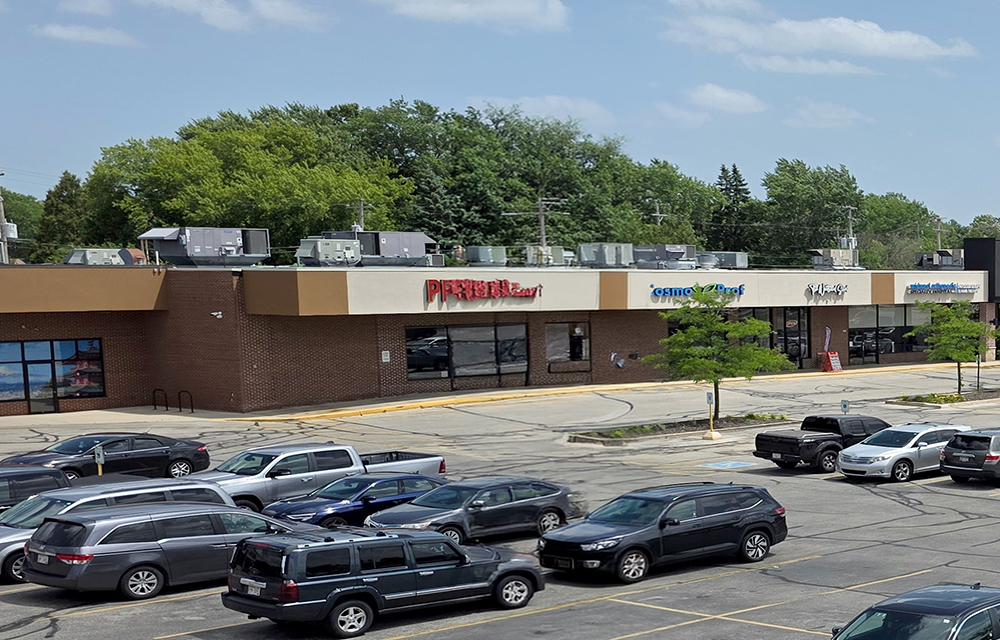
United Properties Corp. expands Wisconsin and Illinois retail presence adding 200,000 s/f
West Allis, WI United Properties Corp. completed two retail acquisitions totaling $27.4 million across Illinois and Wisconsin, adding 205,000 s/f of shopping center space to its portfolio




Columns and Thought Leadership

Positive forecast for New York’s pro-housing push? - by Philip Butler
New York’s housing crisis remains a hot button topic despite growing consensus that varied and affordable housing is desperately needed statewide. Governor Hochul has recently introduced several initiatives to overcome N.Y.’s anti-housing

A guide to finding the right NYC property management company - by Sanjay Gandhi
Being a small to midsize landlord in NYC is an increasingly demanding endeavor. From navigating complex regulations, increased compliance demands to dealing with tenant issues and remediating violations. It is wise to enlist the assistance of a partner, a professional

Hunt commercial real estate question and answer: Fortune 500 wisdom - by David Hunt
Yes, there are lessons to be learned from the largest companies in America when comes to managing your real estate. But the decision to buy or lease real estate may not be one of

New York’s streets are full again, and the retail numbers prove it - by Noam Aziz
Walk down any New York block this year and you can feel it. The sidewalks are crowded, the storefronts are lit, and the energy that defines this city is back at full volume.
.gif)