



News:
Brokerage
Posted: March 6, 2009
Don't wait for a problem to arise before checking a client's title
Last week I got an urgent call from a commercial broker that had been in the business over 20 years. She had taken a listing and had agreed that if the owner lost the property to foreclosure, she would waive her commission.
She had an interested party and was scheduling a second showing.
Now all of a sudden her client was acting erratically, hanging up the phone before the conversation was over and ranting that the bank was going to foreclose and he was going to lose the property.
She went to the record room to check out the situation. There was nothing that appeared to be irregular. A deed had been filed into the Industrial Development Agency and there was a Memorandum of Installment Sale Agreement recorded shortly thereafter. A notice of pendency was not indexed against the property and she found no indication of any foreclosure.
At this point, I was asked to get involved. On closer look I found an Assignment of Property Interest to a bank located in New Jersey. The owner had assigned his interest in the subject property as collateral security for the payment of principal and interest payable under certain notes and for the performance of the obligations contained in a certain loan agreement and mortgage. Apparently, that loan agreement and mortgage was in default.
Armed with this information, the broker was able to maintain control of the transaction. She contacted her client's attorney and enlisted the attorney in negotiating with the bank for an extension based on the pending transaction.
As a real estate broker in these challenging times, you need to know what title issues your clients are facing. As the commercial market experiences more and more economic pressures, it is important that we know what we are dealing with so we move swiftly.
Savvy real estate brokers review the existing title policies when determining the highest and best use for the property. They review easements, right of ways and restrictions and use that information to determine the best ultimate user for the property.
These tough economic times demand that the savvy broker perform the same due diligence with regard to an update of title. A careful review of the current owner's title will ascertain if there are any pending title issues that may interfere with the final transfer of the property. Only then can the real estate broker maintain a pivotal control of the transaction and intercede to pull the deal back together should an issue arise.
Don't wait for a problem to arise before you check your client's title. Make it your practice to have complete title available as you begin your marketing process.
Gill is the president of Gill Abstract, Goshen, N.Y. and New York, N.Y.
Tags:
Brokerage
MORE FROM Brokerage

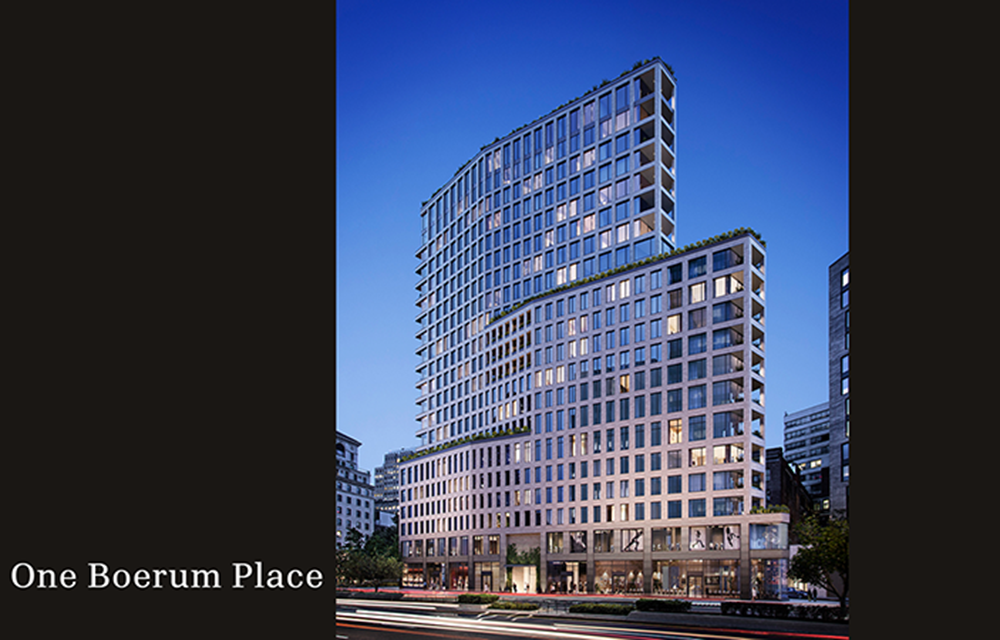
200E20TH sells out in Gramercy, penthouse A closes out sales at the CetraRuddy-designed condominium residences
Manhattan, NY 200E20TH, the CetraRuddy-designed architectural masterwork that brought a curved, contemporary sensibility to Gramercy’s Beaux-Arts streetscape, has



Quick Hits

Columns and Thought Leadership

New York’s streets are full again, and the retail numbers prove it - by Noam Aziz
Walk down any New York block this year and you can feel it. The sidewalks are crowded, the storefronts are lit, and the energy that defines this city is back at full volume.

Hunt CRE question and answer: Choosing a real estate agent - by David Hunt
First, we will only work with one agent exclusively. The primary reason is that we want that agent to legally represent our client’s interests. In New York State, a real estate agent has a fiduciary

Hunt commercial real estate question and answer: Fortune 500 wisdom - by David Hunt
Yes, there are lessons to be learned from the largest companies in America when comes to managing your real estate. But the decision to buy or lease real estate may not be one of

The art of investing in real estate - by Thomas Donovan
Real estate investing is as much an art as it is a skill. No one can time the market, or the factors that drive it, perfectly. Location, zoning, size, transportation, and neighborhood density give you a baseline for
.gif)