



News:
Brokerage
Posted: September 21, 2021
Domenico and Cali of Progress Capital secure $31.05m refinance loan

Hamburg, NJ Brad Domenico and Gabby Cali of Progress Capital secured a $31.05 million loan for a client to refinance Carlton Village Apartments, a multifamily complex located at 3331 Rte. 94.
The borrower, a seasoned real estate investor with 45 years of investment experience owns and operates in excess of 2,500 units throughout New York and New Jersey. With a keen eye for indemnifying undervalued assets and repositioning them, he has been successful in his strategy of holding such assets in his portfolio for long-term investments for his family-owned business. Carlton Village Apartments, is one investment in which the borrower has owned and managed for over 30 years.
In 1985, the owner purchased the property, as he saw significant potential in the suburban submarket of Hardyston with its location in the picturesque hills and farmlands of Sussex County. Today, the area exhibits an even bigger appeal, confirming his vision was spot on.
“Since Spring of last year, we’ve been seeing an exodus rise coming from residents living in major cities such as Manhattan, Jersey City and Hoboken.” Domenico said. “As the pandemic looms and people continue to work remotely, it’s apparent that most of them are willing to trade the city-life for more living space in locations that aren’t heavily populated and have less overhead.”
The 240-unit apartment complex consists of 21 buildings situated on 37-acres. The unit mix includes 64 studios, 116 one-bedroom units and 60 two-bedroom units, featuring private balconies. Additionally, 475 parking spaces provide on-site parking for each tenant. The units combine the essence of estate living with the convenience of mass transit and proximity to NYC. The area is accessible from State Rte. 94, is located adjacent to the YMCA and provides convenient access to Rtes. 15, 23 and I-80.
“I believe we are going to continue to see an influx in the greater New York Metropolitan areas. We’ve been seeing a lot of deals outside the cities come across our desks as the demand for a more suburban lifestyle grows. City adjacent properties are hot commodities for investors right now. Banks are also seeing the potential in such properties, so arranging financing has gotten a little less difficult.” Domenico said.
Tags:
Brokerage
MORE FROM Brokerage
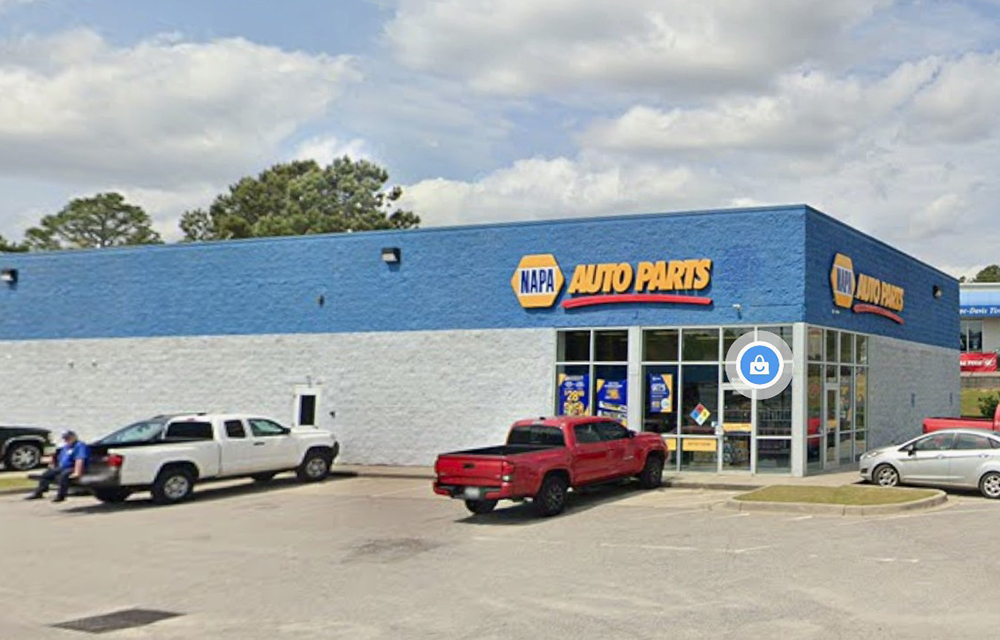
Marcus & Millichap brokers $15 million sale of multi-state NAPA Auto Parts portfolio
Palmetto, FL Marcus & Millichap brokered the sale of a nine-property NAPA Auto Parts portfolio for $15,025,104. The portfolio includes properties in Palmetto, FL.;





Columns and Thought Leadership

A guide to finding the right NYC property management company - by Sanjay Gandhi
Being a small to midsize landlord in NYC is an increasingly demanding endeavor. From navigating complex regulations, increased compliance demands to dealing with tenant issues and remediating violations. It is wise to enlist the assistance of a partner, a professional

Positive forecast for New York’s pro-housing push? - by Philip Butler
New York’s housing crisis remains a hot button topic despite growing consensus that varied and affordable housing is desperately needed statewide. Governor Hochul has recently introduced several initiatives to overcome N.Y.’s anti-housing

Hunt commercial real estate question and answer: Fortune 500 wisdom - by David Hunt
Yes, there are lessons to be learned from the largest companies in America when comes to managing your real estate. But the decision to buy or lease real estate may not be one of

New York’s streets are full again, and the retail numbers prove it - by Noam Aziz
Walk down any New York block this year and you can feel it. The sidewalks are crowded, the storefronts are lit, and the energy that defines this city is back at full volume.
.gif)