



News:
Brokerage
Posted: August 12, 2013
Disposing of multiple properties through a "Parking Exchange"
The strategy known as a "Parking Exchange" is becoming more and more popular today. For a growing number of real estate investors who are interested in disposing of multiple properties that they own and using their equity to acquire just one replacement property. The primary benefit is the opportunity of paying no tax through Section "1031" of the Internal Revenue Code and to be able to come out of many scattered properties and acquire just one property to consolidate.
A parking exchange, which is allowed through Revenue Procedure 2000-37, could save a deal that might be lost due to timing problems. It is important to understand that any time a taxpayer (seller) is structuring a "parking exchange" transaction, the taxpayer can never be into legal title of both the relinquished and replacement properties at the same time. That's the reason for the additional service called the "exchange accommodation titleholder" (E.A.T.) that the qualified intermediary needs to provide today when structuring this type of transaction.
The big problem in the past is- How do I structure the timing of having more then one property that I am selling to close, when you may not have contracts on all sale properties yet or the capital to make the purchase of the replacement property? These problems can all be addressed today, through a "parking exchange." If not having all the relinquished properties under contract yet, creates a problem and you need to close on the replacement property, the E.A.T., can save the day. If not having all the relinquished properties closed yet and not having the necessary equity from your proposed relinquished properties available to make the purchase of your replacement property, again a "parking exchange" can be just what the doctor ordered to solve your problem.
The "qualified intermediary" may be structuring three to ten relinquished property sales to acquire just one replacement property. This is very common today and with the proper expertise can be arranged to take advantage of a "parking exchange."
Although under Section "1031," we have what's known as an "Exchange Period" of one hundred and eighty (180) day to complete the exchange from the closing of the first relinquished property to the close of the replacement property, we have the ability to jump start the Exchange clock with the use of the "exchange accommodation titleholder" (E.A.T.) in order to make this type of an exchange work.
A professional "qualified intermediary" becomes a problem solver in matters like this and should be able to structure the transaction so that you can achieve your financial goals as a real estate investor.
Despite the fact that a "parking exchange" is complex and more expensive, the acceptance of this type of exchange continues to grow. Again, this type of an exchange can work when the taxpayer (seller) is trying to dispose of multiple relinquished properties and using the equity to acquire just one replacement property.
In addition, it is very possible through this type of an exchange to also pull out some equity in cash from your transaction tax-free if structured right without the cash being deemed "cash boot" meaning a taxable event.
Acceptance of the "parking exchange" is growing.
So, when considering any type of exchange transaction, always consult with a professional qualified intermediary and make sure that the qualified intermediary is seasoned in providing the necessary additional services such as an "exchange accommodation titleholder" (E.A.T.) when dealing with parking exchanges.
Russell Gullo, CCIM, CEA, is a certified exchange advisor, president of R. J. Gullo & Co., Inc., West Seneca, N.Y.
Tags:
Brokerage
MORE FROM Brokerage
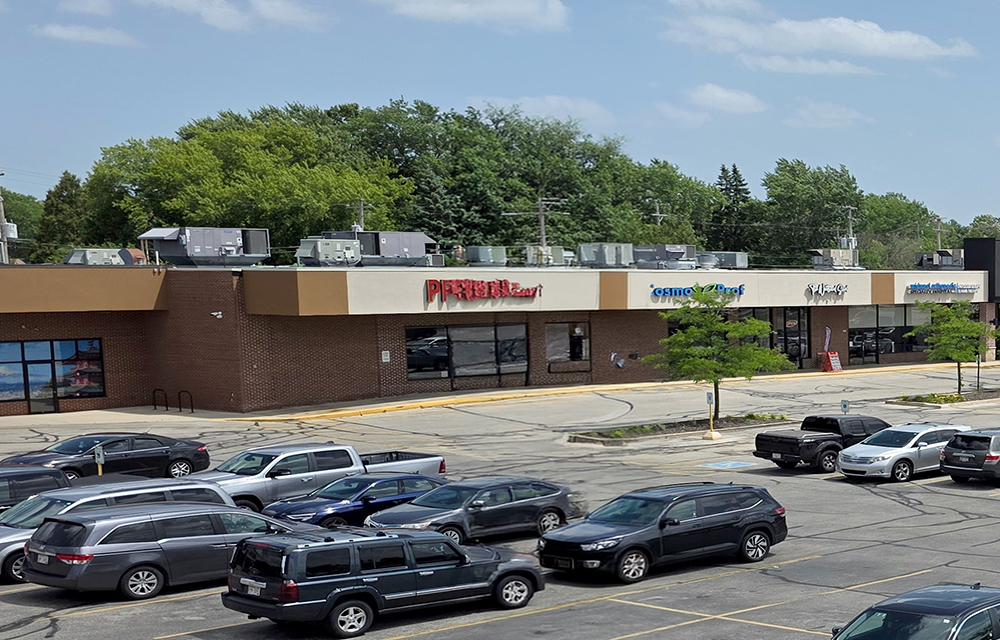
United Properties Corp. expands Wisconsin and Illinois retail presence adding 200,000 s/f
West Allis, WI United Properties Corp. completed two retail acquisitions totaling $27.4 million across Illinois and Wisconsin, adding 205,000 s/f of shopping center space to its portfolio






Columns and Thought Leadership

A guide to finding the right NYC property management company - by Sanjay Gandhi
Being a small to midsize landlord in NYC is an increasingly demanding endeavor. From navigating complex regulations, increased compliance demands to dealing with tenant issues and remediating violations. It is wise to enlist the assistance of a partner, a professional

Positive forecast for New York’s pro-housing push? - by Philip Butler
New York’s housing crisis remains a hot button topic despite growing consensus that varied and affordable housing is desperately needed statewide. Governor Hochul has recently introduced several initiatives to overcome N.Y.’s anti-housing

Hunt commercial real estate question and answer: Fortune 500 wisdom - by David Hunt
Yes, there are lessons to be learned from the largest companies in America when comes to managing your real estate. But the decision to buy or lease real estate may not be one of

New York’s streets are full again, and the retail numbers prove it - by Noam Aziz
Walk down any New York block this year and you can feel it. The sidewalks are crowded, the storefronts are lit, and the energy that defines this city is back at full volume.
.gif)