



News:
Brokerage
Posted: April 21, 2014
Cohen of Levin Management negotiates 41,300 s/f lease to Dave & Buster's at Post Road Plaza
Dave & Buster's, the casual dining/entertainment chain, has leased 41,300 s/f at Post Rd. Plaza, according to Levin Management, exclusive leasing and managing agent for the 260,000 s/f shopping center.
Michael Cohen, Levin's vice president of leasing, negotiated the long-term lease. The tenant was represented by Tom Londres of Metro Commercial Real Estate; and Hugh Kelly and Erin Grace of SRS Real Estate Partners.
"Dave & Buster's unique brand of cutting-edge entertainment and dining will be an excellent draw to Post Road Plaza and significantly augment the center's existing retail mix," said Cohen. "We are confident Dave & Buster's will become a key amenity for local residents and a strong part of the community."
Headquartered in Dallas, Texas, Dave & Buster's operates more than 60 high-volume restaurant/entertainment complexes throughout North America.
Each Dave & Buster's location offers an impressive selection of high-quality food and beverage items, combined with the latest high-tech video games and other attractions.
Anchored by a 75,000 s/f Fairway Market, Post Rd. Plaza's lineup of national and regional tenants includes HomeGoods, Dress Barn, GNC, Lane Bryant, Annie Sez, Modell's, Hallmark, Citibank and Smashburger. Located at the junction of U.S. 1, Pelham Parkway and the Hutchinson River Parkway, Post Road Plaza serves a growing residential population of more than 1.1 million people within a five-mile radius. The marketplace offers an average household income of more than $65,000 and the daily traffic count exceeds 100,000 vehicles.
Post Rd. Plaza celebrated its grand re-opening in 2010 following a major renovation, repositioning and re-tenanting. Along with a new façade design; new signage; and new lighting, paving and landscaping, the second floor of the center was reconfigured for new tenant occupancy. This desirable second-floor availability was perfectly suited for Dave & Buster's space requirements.
Tags:
Brokerage
MORE FROM Brokerage
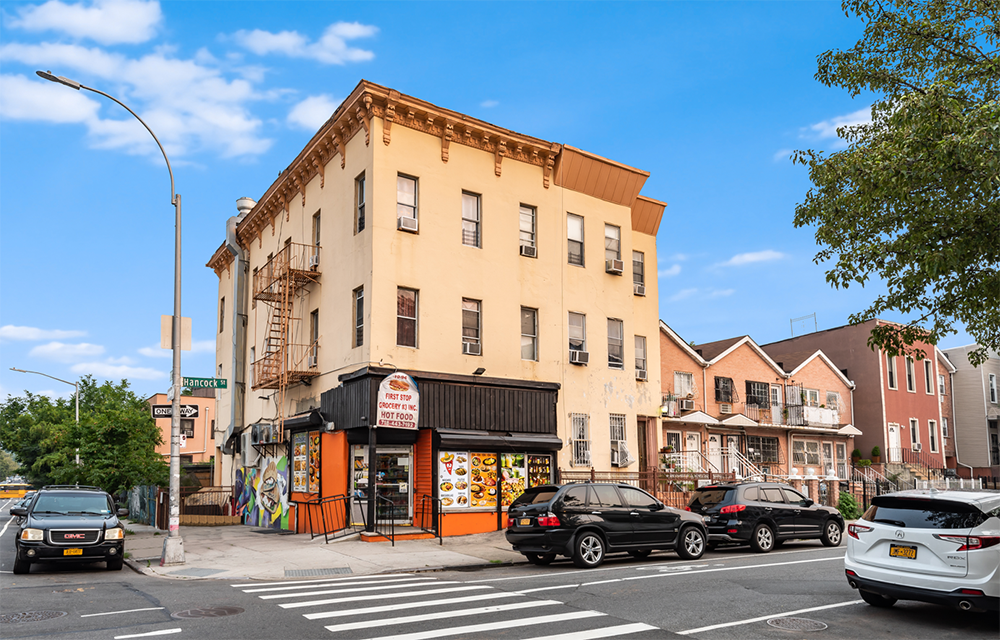
Investment Property Realty Group closes $1.75 million sale of 1094 Hancock Street in Brooklyn
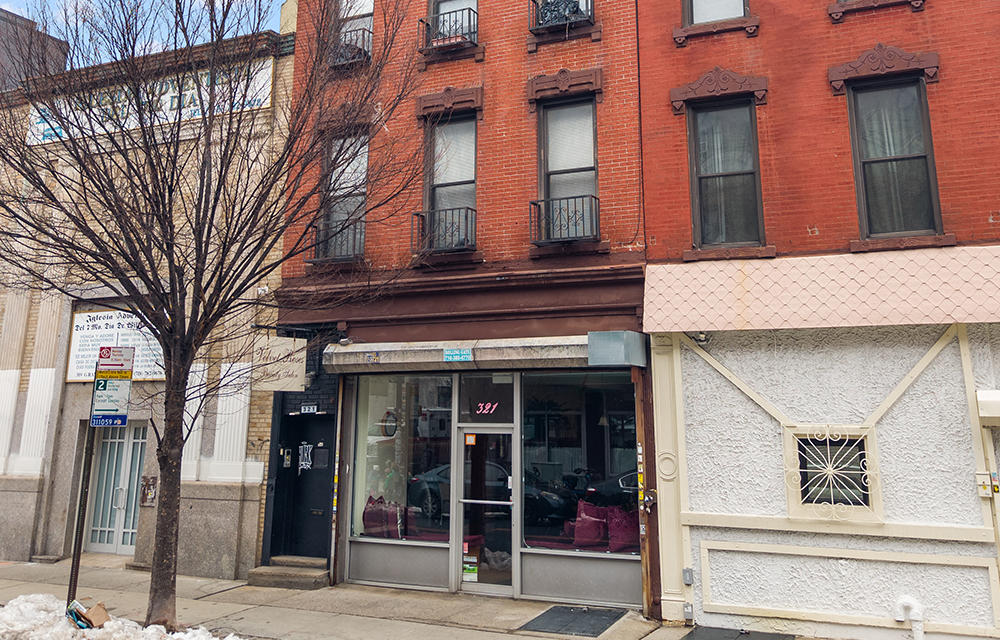
Brooklyn, NY Investment Property Realty Group (IPRG), a New York-based commercial investment firm, has closed the sale of 1094 Hancock St., a mixed-use building in the Bushwick section, for $1.75 million.


Quick Hits

Columns and Thought Leadership

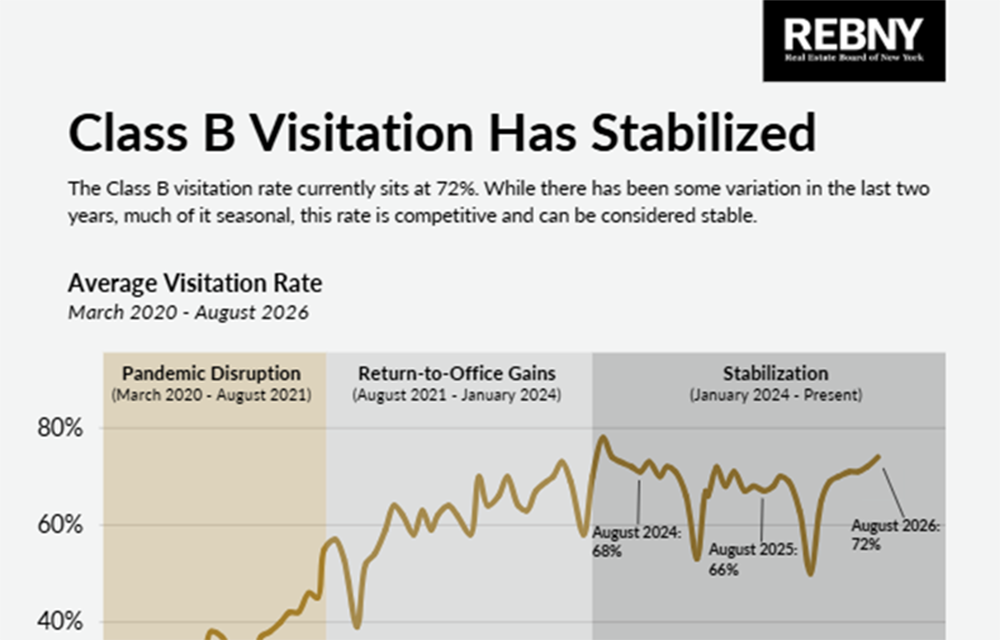
New York’s streets are full again, and the retail numbers prove it - by Noam Aziz
Walk down any New York block this year and you can feel it. The sidewalks are crowded, the storefronts are lit, and the energy that defines this city is back at full volume.

Hunt CRE question and answer: Choosing a real estate agent - by David Hunt
First, we will only work with one agent exclusively. The primary reason is that we want that agent to legally represent our client’s interests. In New York State, a real estate agent has a fiduciary

A guide to finding the right NYC property management company - by Sanjay Gandhi
Being a small to midsize landlord in NYC is an increasingly demanding endeavor. From navigating complex regulations, increased compliance demands to dealing with tenant issues and remediating violations. It is wise to enlist the assistance of a partner, a professional

Hunt commercial real estate question and answer: Fortune 500 wisdom - by David Hunt
Yes, there are lessons to be learned from the largest companies in America when comes to managing your real estate. But the decision to buy or lease real estate may not be one of
.gif)