



News:
Brokerage
Posted: November 25, 2013
Campbell of Berkadia Commercial Mortgage arranges $37 million in bridge financing for two Brooklyn multifamily properties
The Manhattan office of Berkadia Commercial Mortgage LLC has originated $37.1 million in bridge financing for two multifamily properties. Senior vice president Stewart Campbell arranged both loans through Berkadia's Proprietary Bridge Lending Program. Highlights include:
Campbell worked with borrower 97 Grand Avenue LLC to secure $25 million for the acquisition of two developing multifamily buildings located at 96 Steuben St. and 97 Grand Ave. in Clinton Hill. The two-year loan features a floating, 6% interest rate and interest-only payments. In addition to the acquisition, the loan facilitates the remaining construction and lease-up of both buildings. Slated for completion and stabilization in 12 months, amenities include a roof deck, gym and remote access garage parking, as well as convenient access to both public transit and the Brooklyn-Queens Expressway.
Earlier this fall, Campbell arranged $12.1 million in interim financing for a mixed-use property located at 70-78 Willoughby St. in the borough's growing downtown submarket. The two-year, floating-rate loan features a 4.5% interest rate and interest-only payments. The borrower, Metrotech BH Holdings LLC, will use the loan to fund the redevelopment of a commercial and retail building into a mixed-use property featuring both rental units and retail space. The property is expected to be completed and stabilized in 12-15 months.
"The Berkadia team enjoys tackling complex transactions like these," said Campbell. "Our considerable expertise in the Brooklyn market, combined with the flexibility of our proprietary bridge lending program, allows us to effectively arrange low-cost, attractive financings for exciting, well-executed projects in burgeoning neighborhoods around the city."
Tags:
Brokerage
MORE FROM Brokerage
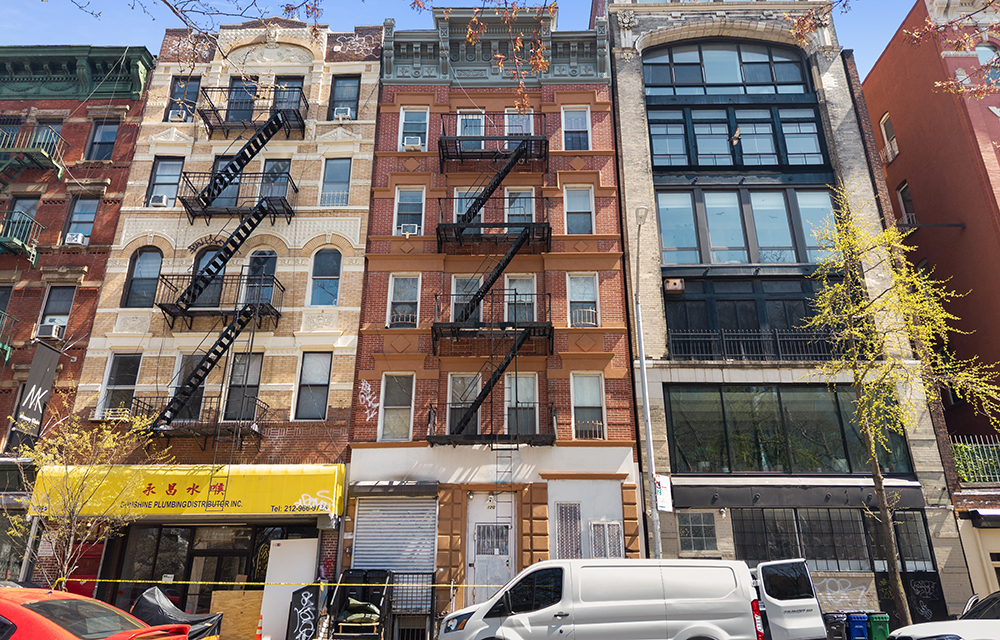
Investment Property Realty Group sells 120 Forsyth St. for $1.35 million
Manhattan, NY Investment Property Realty Group (IPRG) closed the sale of 120 Forsyth St., a mixed-use building located in the Lower East Side section of the city, for $1.35 million.



Quick Hits
 (2).gif)

Columns and Thought Leadership

New York’s streets are full again, and the retail numbers prove it - by Noam Aziz
Walk down any New York block this year and you can feel it. The sidewalks are crowded, the storefronts are lit, and the energy that defines this city is back at full volume.

Hunt commercial real estate question and answer: Fortune 500 wisdom - by David Hunt
Yes, there are lessons to be learned from the largest companies in America when comes to managing your real estate. But the decision to buy or lease real estate may not be one of

Positive forecast for New York’s pro-housing push? - by Philip Butler
New York’s housing crisis remains a hot button topic despite growing consensus that varied and affordable housing is desperately needed statewide. Governor Hochul has recently introduced several initiatives to overcome N.Y.’s anti-housing

A guide to finding the right NYC property management company - by Sanjay Gandhi
Being a small to midsize landlord in NYC is an increasingly demanding endeavor. From navigating complex regulations, increased compliance demands to dealing with tenant issues and remediating violations. It is wise to enlist the assistance of a partner, a professional
.gif)