



News:
Brokerage
Posted: November 12, 2013
Borah, Goldstein, Altschuler, Nahins & Goidel, P.C. adds Marks as partner in supreme court division
Borah, Goldstein, Altschuler, Nahins & Goidel, P.C. revealed the addition of Darren Marks as a new member of the firm.
Marks joins the firm as a partner in the supreme court division. In his new position, Marks will litigate in the New York State and Federal Courts and before various administrative agencies.
Prior to joining the firm, Marks most recently was a partner at Smith Mazure Wilkins Director Young & Yagerman, P.C.
Marks is president of the Lexington Democratic Club and is a member of organizations, including the Real Estate Board of New York, the Federal Bar Association, and the New York County Lawyers' Association. He has been named a Rising Star in Super Lawyers Magazine for New York City Metro Area (2013).
In addition, he is a volunteer lawyer for Volunteer Lawyers for the Arts, and does pro bono work for Trinity's Services and Food for the Homeless, Inc.
Tags:
Brokerage
MORE FROM Brokerage
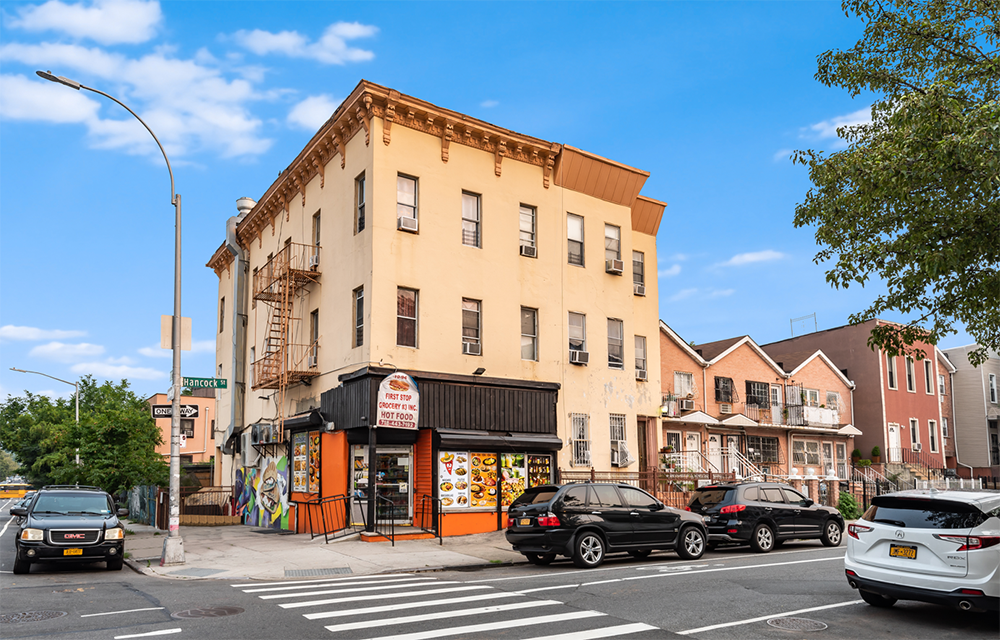
Investment Property Realty Group closes $1.75 million sale of 1094 Hancock Street in Brooklyn
Brooklyn, NY Investment Property Realty Group (IPRG), a New York-based commercial investment firm, has closed the sale of 1094 Hancock St., a mixed-use building in the Bushwick section, for $1.75 million.


 (2).gif)

Columns and Thought Leadership

A guide to finding the right NYC property management company - by Sanjay Gandhi
Being a small to midsize landlord in NYC is an increasingly demanding endeavor. From navigating complex regulations, increased compliance demands to dealing with tenant issues and remediating violations. It is wise to enlist the assistance of a partner, a professional

Hunt CRE question and answer: Choosing a real estate agent - by David Hunt
First, we will only work with one agent exclusively. The primary reason is that we want that agent to legally represent our client’s interests. In New York State, a real estate agent has a fiduciary

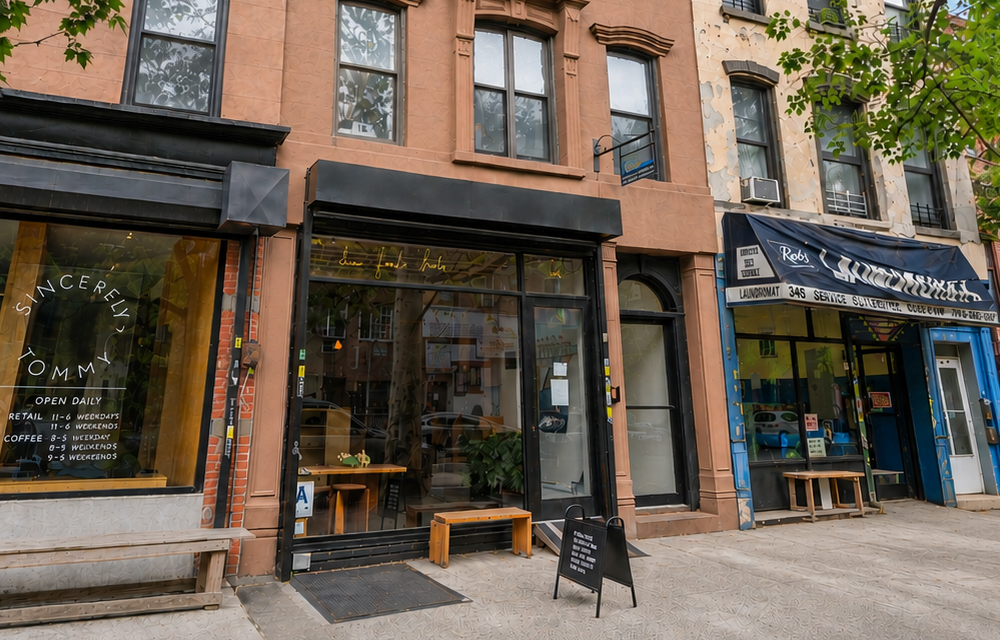
New York’s streets are full again, and the retail numbers prove it - by Noam Aziz
Walk down any New York block this year and you can feel it. The sidewalks are crowded, the storefronts are lit, and the energy that defines this city is back at full volume.

Hunt commercial real estate question and answer: Fortune 500 wisdom - by David Hunt
Yes, there are lessons to be learned from the largest companies in America when comes to managing your real estate. But the decision to buy or lease real estate may not be one of
.gif)