



News:
Brokerage
Posted: March 20, 2026
BH Properties acquires The Shops at Mauna Lani, a 75,000 s/f retail center on Hawaii’s Kohala Coast
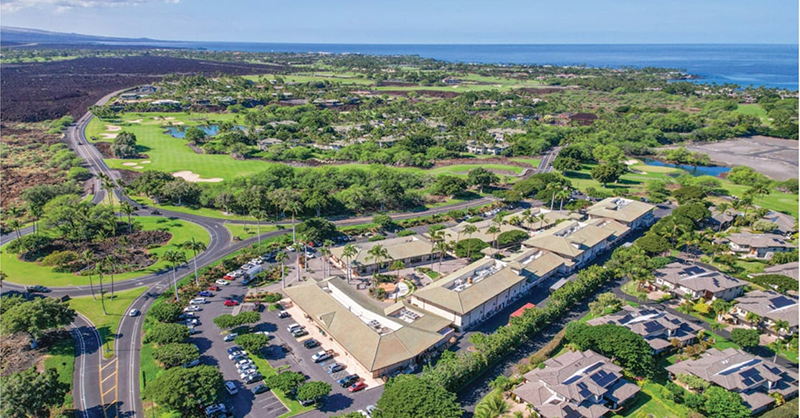
Kamuela, HI BH Properties has aquired The Shops at Mauna Lani, an open-air retail center located along the Kohala Coast on the Island of Hawai‘i. Located at 68-1330 Mauna Lani Dr., the six-acre property serves as the primary retail and dining destination for the surrounding Waikoloa Resort area. Terms of the transaction were not disclosed.
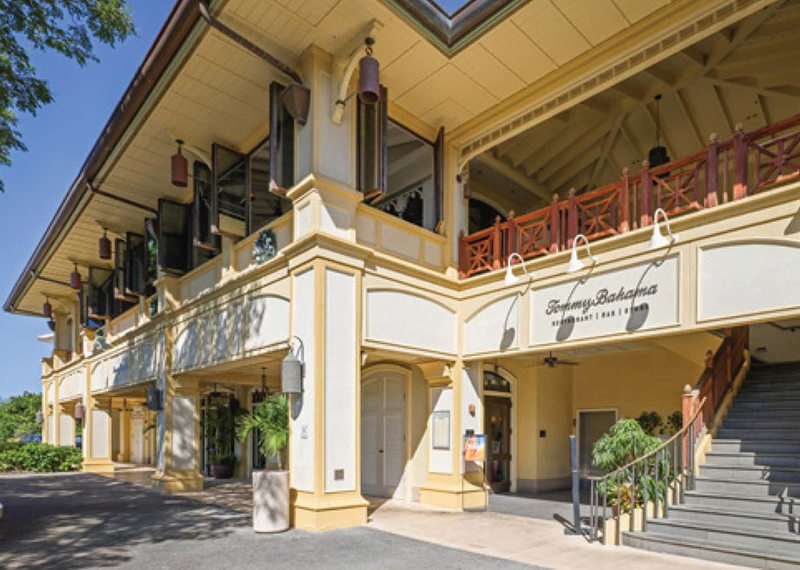
Positioned at the entrance to some of the island’s most prestigious resorts — Mauna Lani, Auberge Collection and Fairmont Orchid — The Shops at Mauna Lani features a curated mix of restaurants, boutiques, services, and specialty retailers catering to international visitors and local residents. The center is anchored by Tommy Bahama Restaurant & Bar, and features island retailers such as Island Hopper Taproom, Mauna Lani Coffee Company, Hawaiian Island Creations surf shop, a Foodland Farms grocery store, and a variety of local retailers, art galleries, and wellness operators.
“The Shops at Mauna Lani represents a rare opportunity to acquire a retail center embedded within one of Hawaii’s most desirable resort communities,” said Jim Brooks, president of BH Properties. “The location and underlying fundamentals of The Shops at Mauna Lani are exceptional, and the center currently has significant untapped leasing potential. Our team specializes in value add assets — great real estate that simply needs a strategic merchandising plan and capital investment to unlock value for tenants, visitors, and the surrounding community.”
The property benefits from its proximity to Queen Kaʻahumanu Hwy., the primary north-south corridor along the west side of the island, and is 30 minutes from Ellison Onizuka Kona International Airport at Keāhole. The surrounding resort region spans more than 1,300 acres and attracts more than 1.5 million visitors annually to its beaches, golf courses, and luxury hospitality destinations.
The acquisition further expands BH Properties’ portfolio of retail and mixed-use investments across the western United States.
Tags:
Brokerage
Outside The Region
MORE FROM Brokerage
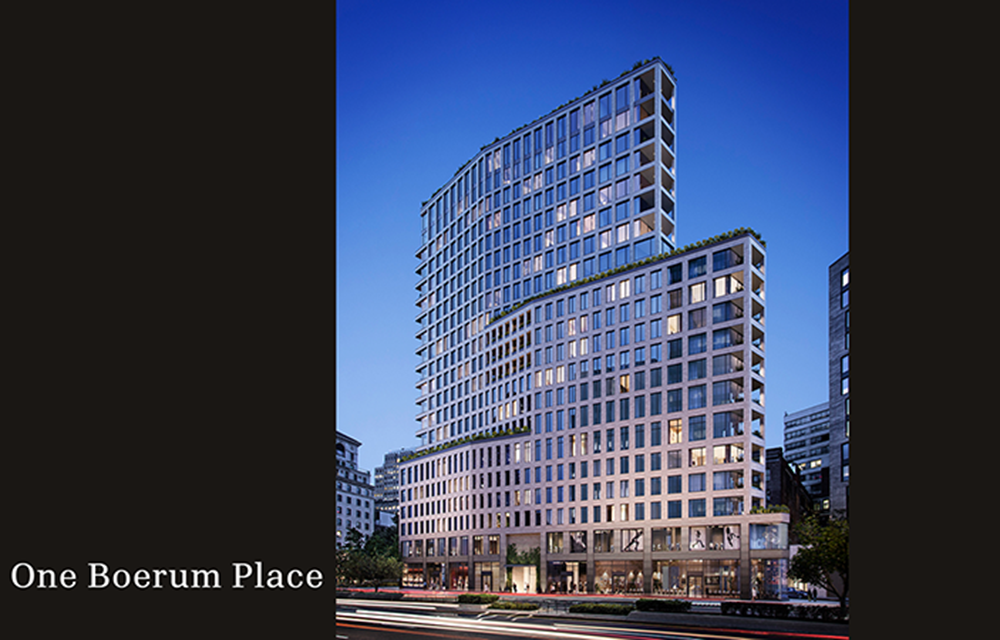
Residential real estate consultancy and brokerage firm Nancy Packes, Inc. rebrands as NPI
Manhattan, NY The NYC-based premier residential real estate consultancy and brokerage firm, Nancy Packes Inc., has rebranded as NPI. Helmed by Seth Rosner, most recently the firm’s managing partner and now president, the company has been intricately involved in hundreds of Tri-State new developments and conversions, spearheading the full project life cycle, from assessment/pre-dev.




Quick Hits
 (2).gif)

Columns and Thought Leadership

A guide to finding the right NYC property management company - by Sanjay Gandhi
Being a small to midsize landlord in NYC is an increasingly demanding endeavor. From navigating complex regulations, increased compliance demands to dealing with tenant issues and remediating violations. It is wise to enlist the assistance of a partner, a professional

Hunt commercial real estate question and answer: Fortune 500 wisdom - by David Hunt
Yes, there are lessons to be learned from the largest companies in America when comes to managing your real estate. But the decision to buy or lease real estate may not be one of

Hunt CRE question and answer: Choosing a real estate agent - by David Hunt
First, we will only work with one agent exclusively. The primary reason is that we want that agent to legally represent our client’s interests. In New York State, a real estate agent has a fiduciary

New York’s streets are full again, and the retail numbers prove it - by Noam Aziz
Walk down any New York block this year and you can feel it. The sidewalks are crowded, the storefronts are lit, and the energy that defines this city is back at full volume.
.gif)