



News:
Brokerage
Posted: March 12, 2012
Berko names Korine as a managing director
According to Berko & Associates, Michael Korine, a former senior corporate and investment banker at RBC Financial Group and real estate entrepreneur, has been named managing director, finance & capital markets. Korine will head Berko & Associates' commercial real estate finance division and will focus on expanding the firm's capital markets activities to include advisory services, private equity, senior and mezzanine debt, structured finance and joint venture capital.
Korine comes to Berko & Associates with a unique perspective on the commercial real estate industry. Subsequent to his 12 years as a senior corporate and investment banker at RBC Financial Group in New York, he founded Korine Venture Group, Ltd.
During his banking career, Korine structured, facilitated and acquired more than $7 billion in a variety of debt and equity transactions. At RBC Dominion Securities Corp., he co-founded a private placement group that structured and placed $500 million of debt for medium sized Canadian companies in the U.S. market. At Royal Bank, he acquired and managed $5 billion of senior loans to the US aerospace and defense industry, syndicated $500 million in specialized loans as part of the loan syndications group, acquired and managed an $850 million portfolio of highly leveraged loans and managed the Bank's investment in a portfolio of private equity funds.
At Berko & Associates, Korine will be responsible for directing the expansion of the firm's capital markets and advisory services. "Michael brings a powerful relationship building culture to our existing client and banking relationships and will bring his experience into play for structuring, underwriting and syndicating multifaceted financing solutions," said Joe Berko, founder and president of Berko & Associates.
Berko & Associates is a multi-disciplined commercial real estate firm that specializes in investment sales, structured financing, and full service real estate advisory primarily in N.Y.C. and other strategic markets across the country. The firm's team of professionals focuses primarily on value added properties with strong growth potential. The company's exceptional knowledge of local market trends and their complexities creates a competitive edge in discovering deals rarely available to most investors.
The firm's capital markets team distinguishes itself by focusing on its advisory role, acting as an effective liaison in securing optimal financing solutions, including senior and mezzanine debt, equity participation, promotable equity, and joint ventures.
Tags:
Brokerage
MORE FROM Brokerage
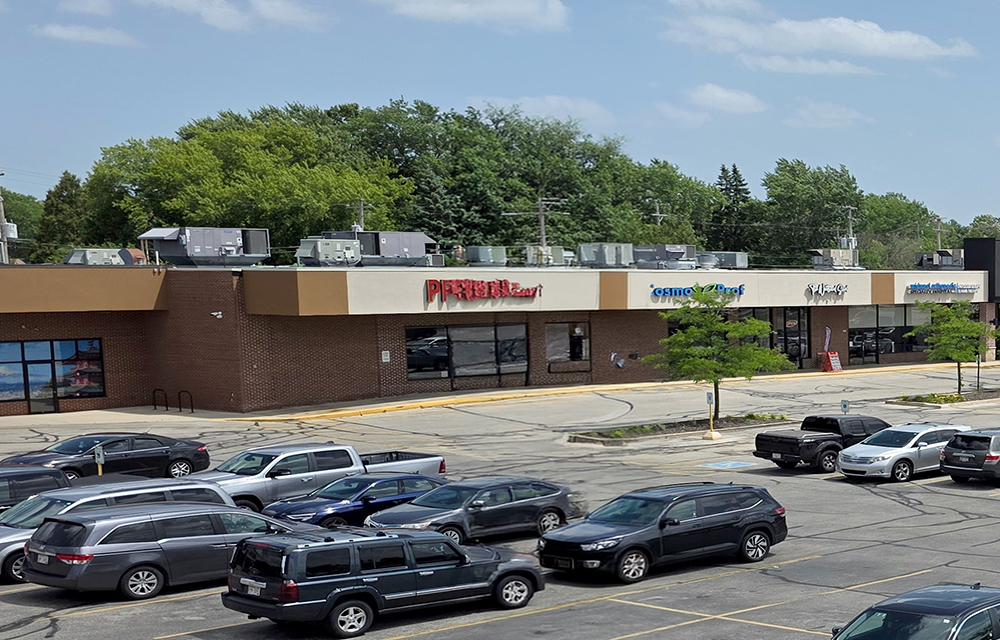
United Properties Corp. expands Wisconsin and Illinois retail presence adding 200,000 s/f
West Allis, WI United Properties Corp. completed two retail acquisitions totaling $27.4 million across Illinois and Wisconsin, adding 205,000 s/f of shopping center space to its portfolio



 (2).gif)

Columns and Thought Leadership

Hunt commercial real estate question and answer: Fortune 500 wisdom - by David Hunt
Yes, there are lessons to be learned from the largest companies in America when comes to managing your real estate. But the decision to buy or lease real estate may not be one of

Positive forecast for New York’s pro-housing push? - by Philip Butler
New York’s housing crisis remains a hot button topic despite growing consensus that varied and affordable housing is desperately needed statewide. Governor Hochul has recently introduced several initiatives to overcome N.Y.’s anti-housing

A guide to finding the right NYC property management company - by Sanjay Gandhi
Being a small to midsize landlord in NYC is an increasingly demanding endeavor. From navigating complex regulations, increased compliance demands to dealing with tenant issues and remediating violations. It is wise to enlist the assistance of a partner, a professional

New York’s streets are full again, and the retail numbers prove it - by Noam Aziz
Walk down any New York block this year and you can feel it. The sidewalks are crowded, the storefronts are lit, and the energy that defines this city is back at full volume.
.gif)