



News:
Brokerage
Posted: July 29, 2013
Bergdoll of MoMA moderates WX Perspectives panel on May 30th
According to WX New York Women Executives in Real Estate (WX), Barry Bergdoll, the Phillip Johnson chief curator of architecture and design at the Museum of Modern Art (MoMA), moderated a WX Perspectives panel entitled "Hurricane Sandy and Rising Currents" on May 30th. Bergdoll was joined by a panel of experts including:
* Susannah Drake, principal, DLANDSTUDIO Architecture + Landscape Architecture PLLC
* Thaddeus Pawlowski, urban designer, mayor's office of Housing Recovery, N.Y.C. Dept. of City Planning Office of Chief Urban Designer
* Clair Weisz, FAIA, principal, WXY Architecture and Urban Design
* Adam Yarinsky, principal, Architecture Research Office (ARO).
Panelists discussed the effects of Hurricane Sandy as perceived through the lens of MoMA's Rising Currents exhibit, and presented five projects by their respective design teams that offer creative solutions for mitigating damage from future storms and ensure the long-term resiliency of N.Y.'s coastal infrastructure.
Speakers also explored the governmental agency issues and challenges involved in future planning.
About Rising Currents
Rising Currents emerged from a 2009-10 architects-in-residence program at MoMA PS1. Curator Barry Bergdoll gathered interdisciplinary design teams to address the critical issue of sea-level rise due to climate change, with each team addressing a specific zone/area of coastline around New York City and New Jersey. The results of their research and proposed design solutions were captured via the Rising Currents blog, and the results were compiled into an exhibition, a publication, and a series of public programs.
Tags:
Brokerage
MORE FROM Brokerage
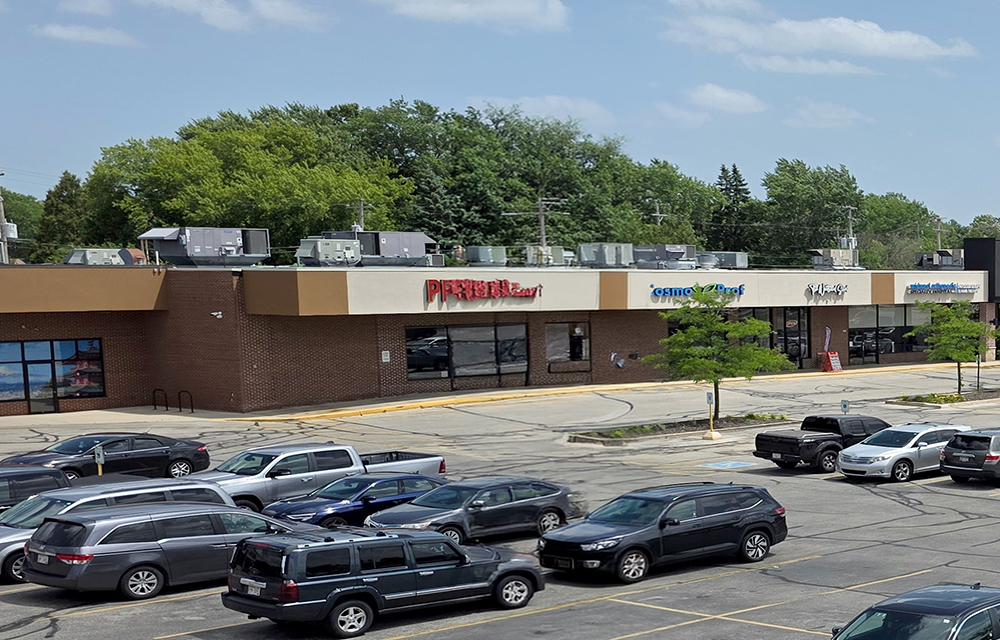
United Properties Corp. expands Wisconsin and Illinois retail presence adding 200,000 s/f
West Allis, WI United Properties Corp. completed two retail acquisitions totaling $27.4 million across Illinois and Wisconsin, adding 205,000 s/f of shopping center space to its portfolio



Quick Hits

Columns and Thought Leadership

New York’s streets are full again, and the retail numbers prove it - by Noam Aziz
Walk down any New York block this year and you can feel it. The sidewalks are crowded, the storefronts are lit, and the energy that defines this city is back at full volume.

A guide to finding the right NYC property management company - by Sanjay Gandhi
Being a small to midsize landlord in NYC is an increasingly demanding endeavor. From navigating complex regulations, increased compliance demands to dealing with tenant issues and remediating violations. It is wise to enlist the assistance of a partner, a professional

Hunt commercial real estate question and answer: Fortune 500 wisdom - by David Hunt
Yes, there are lessons to be learned from the largest companies in America when comes to managing your real estate. But the decision to buy or lease real estate may not be one of

Positive forecast for New York’s pro-housing push? - by Philip Butler
New York’s housing crisis remains a hot button topic despite growing consensus that varied and affordable housing is desperately needed statewide. Governor Hochul has recently introduced several initiatives to overcome N.Y.’s anti-housing
.gif)