


 (2).gif)
News:
Spotlight Content
Posted: December 29, 2008
An understanding of sustainable design and construction is essential for project managers
As a project manager involved with a variety of projects ranging from commercial interior build-outs, renovation of existing buildings, and new construction, an understanding of sustainable design and construction is essential.
Environmentally sensitive design has been an ongoing focus in my career beginning with architecture school. Green design was emphasized, particularly in various building technology classes. However, many of the examples of green projects were specialty projects lacking a clear explanation of how to apply these principles to everyday design. Gradually, the design communities' focus on this issue coalesced around the LEED rating system and this became the framework - or benchmark - for sustainable design. Awareness of global environmental pressures helped to popularize LEED and in recent years, the adoption of the system by many high profile corporations and developers secured this as the standard for sustainable design.
Recently, legislative efforts to incorporate the LEED system's energy-efficient aspects into municipal building code have been underway. In NYC, leadership from the Mayor's office on this issue requires all government buildings to be built to LEED standards based on Local Law 86, which took effect in January 2007. Boston has adopted LEED requirements as part of their building code requirements, while San Francisco is considering LEED Gold standard requirements for large commercial projects. The potential extensive adoption of aspects of LEED into building code may be the most universal method to limit the environmental impact of real estate in the U.S.
VVA's primary role is to advise our clients on the interconnected issues of design, cost, and schedule and to ensure projects are a success. Many of our clients are interested in building to LEED standards, or in general designing and building in a sustainable manner. Comprehensive knowledge of the LEED system is vital to advise our client's interested in this area.
Design
Establish the targeted LEED standard at the onset of a project. Clients will often want an idea of how designing to LEED standards will affect the look and bottom line of their project. An initial review of the various LEED point categories will often chart the design approach for various aspects of a project.
Cost
Analyzing costs and return on investment (ROI) is one of a project manager's most important tasks. In all projects we provide clients with the critical information needed to determine how to invest appropriate funds in their physical infrastructure. A LEED project involves the same process as other projects but with the additional consideration of how to accrue LEED points with the most efficient use of construction dollars.
Schedule
The design team evaluation of LEED requirements and incorporation into the building design, as well as documentation of the process, may affect the project schedule. The project manager must understand and manage this process in order to minimize the time impact on a project.
Green building programs are flourishing all over the county. The LEED rating system has provided the metric for sustainable building practices to date. The extent to which this system becomes embedded in municipal building codes is, as yet, unclear. However, as this continues to develop over the coming years a comprehensive understanding of the LEED rating system will be essential for any real estate, design, or construction professional as the world reacts to the environmental impact of building and maintaining the built environment.
Brian Ferrier, AIA, LEED AP, is project manager for VVA, Project Managers & Consultants, New York, N.Y.
Tags:
Spotlight Content
MORE FROM Spotlight Content
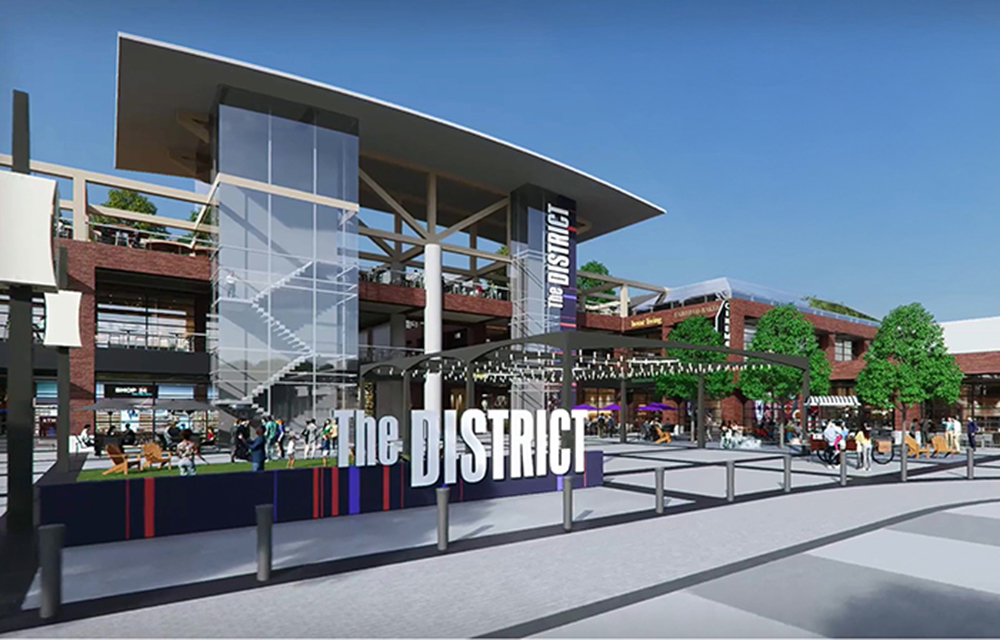
2026 Developing Long Island: The Shops on Broadway
Hicksville, NY The Shops on Broadway is transforming one of Long Island’s most recognizable retail properties into a vibrant new destination. At the heart of the redevelopment is The District, an open-air environment designed by SPECTOR Companies around dining, entertainment, gathering, and community.

.png)

Quick Hits


Columns and Thought Leadership

From vacancy to vitality: How adaptive reuse is reshaping Long Island’s CRE landscape - by Andrea Tsoukalas Curto
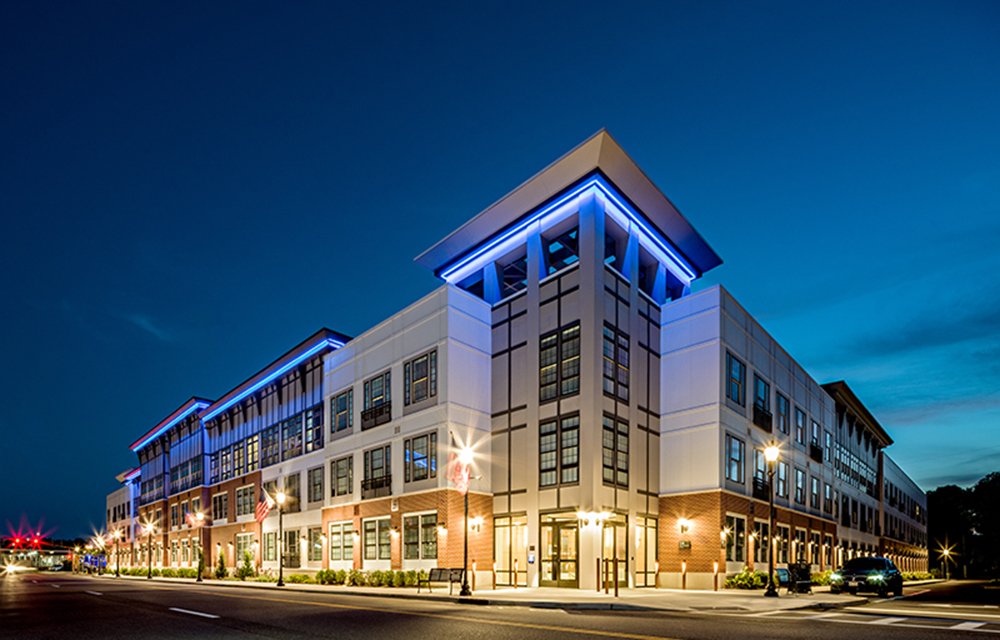
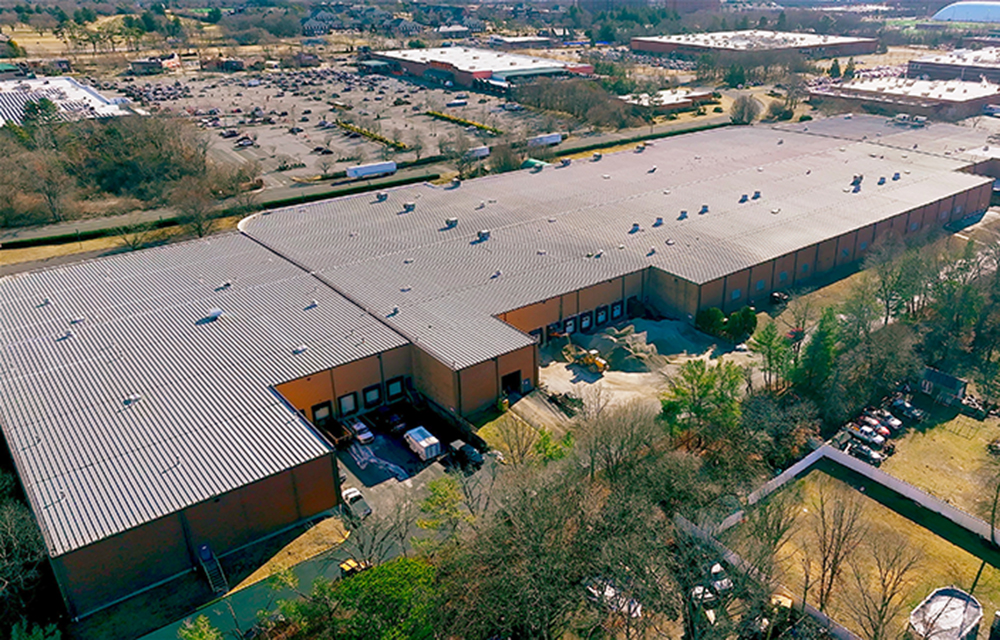
Adaptive reuse has become one of the most important conversations in commercial real estate today. Long Island has a large inventory of aging retail, office and industrial

Properly serving a lien law Section 59 Demand - by Bret McCabe
Many attorneys operating within the construction space are familiar with the provisions of New York Lien Law, which allow for the discharge of a Mechanic’s Lien in the event the lienor does not commence an action to enforce following the service of a “Section 59 Demand”.

CRE Guide Featured Company: Merritt Environmental Consulting Corp.
Merritt Environmental Consulting Corp. (MECC) was established in June of 2009 after being part of a larger engineering firm for almost 20 years. The focus of the company is to assist lending institutions, attorneys, real estate investors, and property owners with environmental concerns. Today, MECC has offices in New York, Florida, and Vermont and has grown into a regional consulting firm serving clients along the East Coast.

2026 Developing Queens: Long Island Board of Realtors advances commercial growth and advocacy in Queens
The Long Island Board of Realtors (LIBOR) Commercial Network continues to play a key role in advancing opportunities and strengthening the commercial real estate landscape across Queens. Through targeted programming and global outreach
September Promotion
