



News:
Brokerage
Posted: January 27, 2014
American Remote Video introduces First Source Technologies in VA
The Video Doorman Security Systems from American Remote Video is launching in VA with First Source Technologies.
First Source Technologies will be the premier dealer introducing this technology into the Virginia market as of January 1st.
First Source Technologies is the alarm and security division of Dagenhart Sprinkler Company. They first opened their doors in 1970, a long time dream of founder David Dagenhart, Sr. Since then the company has provided 1,000's of clients fire protection and security systems that have saved many lives and provided protection in 6 different states. First Source Technologies currently serves all of Virginia predominately with the corporate office located in Richmond.
The company is now in the 2nd generation of ownership and has constantly expanded its offerings and perfected advanced technologies to offer the best solution possible at a low cost by keeping overhead low. Learn more about First Source Technologies here: http://www.firstsourcetech.com/# or call 1-804-226-3853.
The original Video Doorman System offers tenants in a non-doorman building, a way to receive their package deliveries safely when they are not at home. When the courier presses the button on the Video Intercom Panel installed on the outside entry of the building, a trained Video Doorman Central Station operator views the courier, obtains tenant delivery information, and allows entry into the specific delivery area via the remote system. All activities are recorded, both audio and video. A series of cameras within the building, supplied with speakers and microphones, will monitor the delivery's progress through the building while "escorting" the courier to a secured package room. The tenant is then notified.
The Video Doorman process consists of five simple steps; all backed up by expert security teams:
* Access: The turnkey Video Doorman system begins at the front door with high quality components.
* Central Station: Behind the technology are specially trained Video Doorman monitoring teams.
* Entry/Tracking: As deliveries arrive, Video Doorman operators are there to protect the property.
* Secure Storage: A tenants-only, secure package room is a key element of the Video Doorman system.
* 24/7 Recording: Day and night, Video Doorman is truly the eyes and ears of the building, and it doesn't miss a thing.
Larry Dolin, the CEO of American Remote Video and the creator of Video Doorman, says, "It's a revolutionary interactive system that provides 24/7 building security, escort support services for tenants, plus a way tenants can receive packages when they are not at home. And it does it at less than 5% of the cost of an actual doorman... about $1.50 per hour."
Recently, Video Doorman also launched a security system called "Safe Lobby" to improve the safety in building lobbies. The Video Doorman Safe Lobby program is the first proactive security system to prevent lobby loitering and monitor lobbies for safety. It's so unique there's a patent pending. The Video Doorman Safe Lobby System provides a residential apartment building with remote security and surveillance 24/7, just like an actual guard for about $.85/hour. It limits access only to tenants; ensures the front door closes behind delivery personnel; it detects forced entry and it prohibits loitering in the lobby 24/7.
"After being such a 'hit' in the New York market, we are thrilled to be Virginia's premier dealer of the new Video Doorman system," David Dagenhart, CEO, First Source Technologies.
Tags:
Brokerage
MORE FROM Brokerage
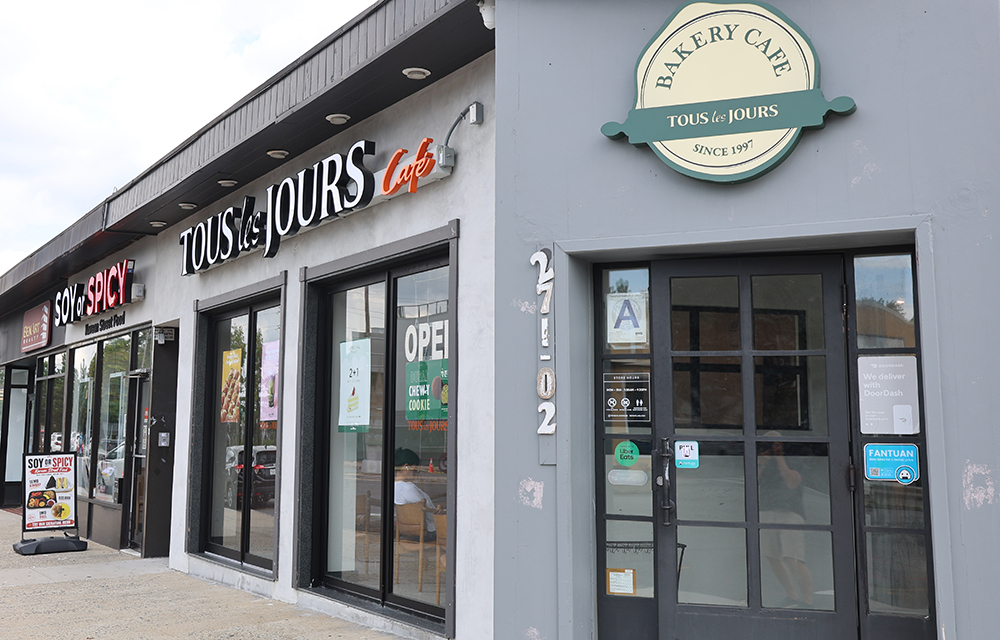
Sobel of RIPCO Real Estate signs Redefine Meals as newest tenant at New Hyde Park Place
New Hyde Park, NY New Hyde Park Place, the rebranded commercial property at 271-02 Union Tpke.on the Nassau/Queens border, has signed new tenant Redefine Meals, the Long Island-based prepared-meal company, for a new 1,000 s/f location, starting on September



Quick Hits
 (2).gif)

Columns and Thought Leadership

Hunt commercial real estate question and answer: Fortune 500 wisdom - by David Hunt
Yes, there are lessons to be learned from the largest companies in America when comes to managing your real estate. But the decision to buy or lease real estate may not be one of

A guide to finding the right NYC property management company - by Sanjay Gandhi
Being a small to midsize landlord in NYC is an increasingly demanding endeavor. From navigating complex regulations, increased compliance demands to dealing with tenant issues and remediating violations. It is wise to enlist the assistance of a partner, a professional

New York’s streets are full again, and the retail numbers prove it - by Noam Aziz
Walk down any New York block this year and you can feel it. The sidewalks are crowded, the storefronts are lit, and the energy that defines this city is back at full volume.

Positive forecast for New York’s pro-housing push? - by Philip Butler
New York’s housing crisis remains a hot button topic despite growing consensus that varied and affordable housing is desperately needed statewide. Governor Hochul has recently introduced several initiatives to overcome N.Y.’s anti-housing
.gif)
September Promotion
