



News:
Brokerage
Posted: April 7, 2014
ADMAR named official construction equipment supplier for Buffalo Bills; To play vital role in Ralph Wilson Stadium project
According to ADMAR, one the largest independently owned construction equipment rental and sales companies in New York state and northern Pennsylvania, the Buffalo Bills have reached an agreement that recognizes them as the Bills' official construction equipment supplier.
ADMAR has already established a longstanding partnership with the Bills, regularly supplying a variety of equipment to Ralph Wilson Stadium in Buffalo and Training Camp at St. John Fisher College in Rochester. This agreement will expand that relationship just as the Bills are poised for a $130 million stadium renovation.
"ADMAR is a local, family-owned company in the Western New York region that has proudly worked with the Bills for many years," said Greg Downing, ADMAR's director of branch operations. "We believe in developing mutually beneficial partnerships with local organizations, and we support the Buffalo Bills as our hometown team."
The Ralph Wilson Stadium renovation and improvement project began this past June and includes new technology implementation, a new west-end plaza with a new team store and enhanced gate entries, and renovated and expanded concessions, restrooms and training facility.
"ADMAR not only helped us with our Training Camp construction equipment needs in Rochester, but will play a vital role in the renovation project at Ralph Wilson Stadium in Orchard Park," said Bruce Popko, Bills senior vice president of business development. "ADMAR's designation as the official construction equipment supplier of the Bills promises to bring both local and national attention throughout the partnership."
ADMAR will offer the subcontractors on the renovation project access to necessary construction equipment, including aerial lifts, light towers, generators and earth movers. ADMAR already has lifts, light towers and generators onsite during the season.
"We are thrilled to be a part of this exciting time for the Buffalo Bills organization," Downing said. "Our employees and customers throughout the northeast are already wearing the Bills emblem on our apparel, as well as enjoying Bills logos on our printed materials. And we love to look up at the stadium ribbon board during games and see the ADMAR logo in return. We are proud to be a part of their team."
Tags:
Brokerage
MORE FROM Brokerage
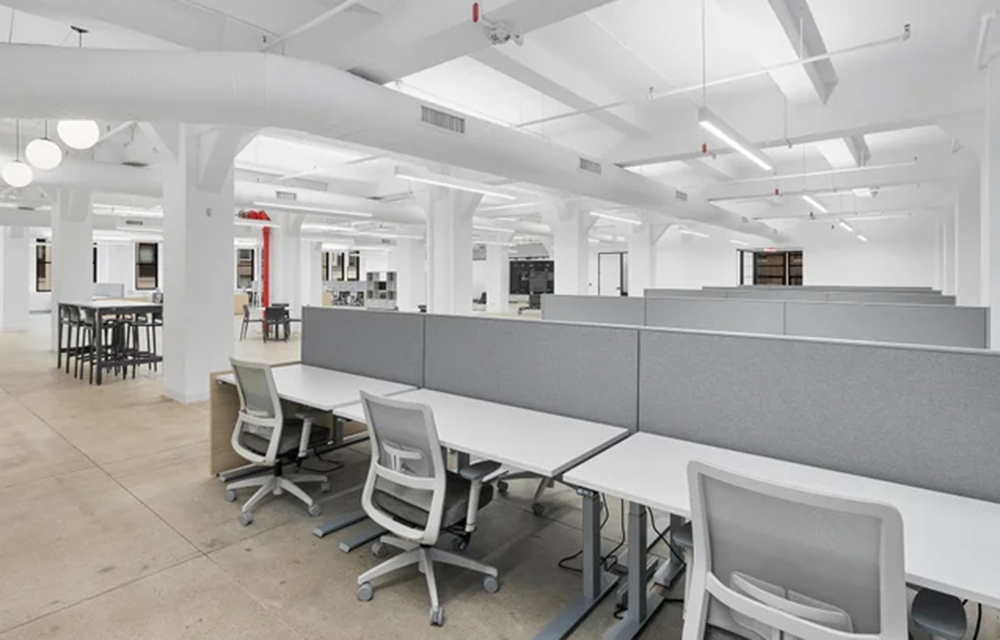
Lee & Associates NYC arranges 14,000 s/f Midtown office lease for Julie Vos
Manhattan, NY According to Lee & Associates NYC, fashion jewelry brand Julie Vos has signed a 14,000 s/f office lease at 218-232 W. 40th St. in Midtown.


Quick Hits

Columns and Thought Leadership

Hunt commercial real estate question and answer: Fortune 500 wisdom - by David Hunt
Yes, there are lessons to be learned from the largest companies in America when comes to managing your real estate. But the decision to buy or lease real estate may not be one of
Positive forecast for New York’s pro-housing push? - by Philip Butler
New York’s housing crisis remains a hot button topic despite growing consensus that varied and affordable housing is desperately needed statewide. Governor Hochul has recently introduced several initiatives to overcome N.Y.’s anti-housing

A guide to finding the right NYC property management company - by Sanjay Gandhi
Being a small to midsize landlord in NYC is an increasingly demanding endeavor. From navigating complex regulations, increased compliance demands to dealing with tenant issues and remediating violations. It is wise to enlist the assistance of a partner, a professional

New York’s streets are full again, and the retail numbers prove it - by Noam Aziz
Walk down any New York block this year and you can feel it. The sidewalks are crowded, the storefronts are lit, and the energy that defines this city is back at full volume.
.gif)
September Promotion
