



News:
Construction Design & Engineering
Posted: December 14, 2010
A year of architects as leaders, with more to come
By Anthony Schirripa, AIAIt is hard to believe that the year of the "Architect as Leader" is coming to an end. As we began the year, we were optimistic that the economic recovery would be strong, giving architects the project opportunities that would lead our industry to full employment. While the economy improves, its pace is glacial and it continues to be of concern for many in our community. Meanwhile, the Chapter has considerably strengthened its government advocacy efforts. Our proposal to establish a Buildings Commission caused the Charter Commission to take notice and suggest in its final report that the issue required further detailed study. It also resonated with Deputy Mayor Goldsmith, who has invited us to join his task force to streamline government processes. We also advocated at the State level for a revision of the architectural statute of repose and lobbied for smart, green growth initiatives at the State and Federal level.
Our Center for Architecture has delivered hundreds of programs and twenty exhibitions, from a spotlight exhibition on the New Domino development on the East River Waterfront to the transportation planning show, Our Cities Ourselves. The exhibition season culminated in Innovate: Integrate - Building Better Together, which explores the architect's leadership role in both sides of the building process - design and construction. The highlight of the exhibition was the "Liquid Wall" - a full-size curtain wall prototype that integrates energy efficient principles. This prototype is a first for the Center and we hope not the last exhibition that will feature innovative design and the partnership of architects, contractors and higher education research organizations to demonstrate experimental design and construction technologies.
There were many other initiatives we embraced this year. AIA National's call for a 2030 commitment to reduce greenhouse gasses was promoted in New York City with public programs, tours, and training sessions. My commitment to build one AIA in New York City made progress, and all five chapter presidents have been meeting regularly and collaborating on city-wide issues. Many thanks to the chapter staff who have been a joy to work with and to the 2010 Board, who have served admirably. I'd also like to thank the hundreds of volunteers who made these programs, and all of the Chapter's initiatives in 2010, so successful.
Last week, I was fortunate enough to pass the gavel to Margaret O'Donoghue Castillo, AIA, LEED AP. Margaret, who is a principal at Helpern Architects, hasn't just spent this year as president-elect learning the job, but has truly been a partner, leading the Chapter's efforts on sustainable design and international outreach. I look forward to assisting her next year!
Margaret's 2011 theme is "Design for a Change." Never has it been more important for architects, engineers, landscape architects and urban planners to collaborate and address the issues of urban infrastructure and the built environment. Whether cities are in the industrialized world or in developing countries, it is critical that we look at our natural resources and the built environment in terms of economic, environmental and social health.
The Center for Architecture has become a gathering place for thought leaders from around the world who are addressing a new paradigm for the 21st Century. In 2011 we will continue our collaboration with UN Habitat and the UN Consortium for Sustainable Urbanization, and bring global representatives to New York to share best practices and innovative ideas.
In the spring, we will host an exhibition entitled Jugaad Urbanism: Resourceful Strategies for Indian Cities, which features home-grown solutions and design interventions for daily life in India's population centers. Sometimes it is the design of small scale change that has a big impact. A series of lectures will address planning, informal settlements, societal change and the role of design in Indian cities, and bring New York's design community a new perspective on "Think globally, act locally."
Meanwhile, our chapter's own committee on the environment and building codes committee will continue to produce high-quality continuing education programs on how to design and build with more energy efficiency. Along with energy-focused programs scheduled throughout the year, In October 2011 the year's theme will culminate with a major exhibition on buildings and energy. We must change the way we design, because it is through design that we can change the way our buildings are constructed and how they perform. Design matters -for the Vitruvian reasons of firmness, commodity, and delight—but also because our society's healthy future is contingent on responsible growth.
Anthony Schirripa, FAIA, IIDA, is the 2010 president of the N.Y. Chapter of the AIA, New York, N.Y.
MORE FROM Construction Design & Engineering
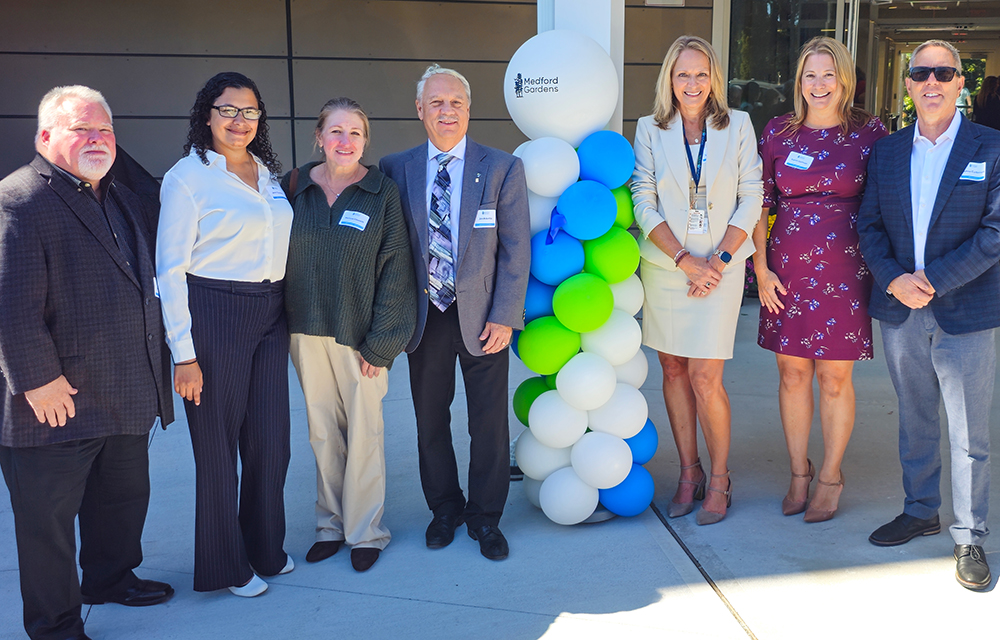
WellLife and H2M celebrate new senior housing Medford Gardens provides affordable housing for renters 55 and older
Medford, NY H2M architects + engineers (H2M) joined WellLife Network, along with state and local officials, housing advocates, and project partners, to celebrate the grand opening of Medford Gardens, a new affordable and supportive

Quick Hits


Columns and Thought Leadership

We support green construction. Just not this kind - by Tammy Smith
Most people think of St. Patrick’s Day as a fun footnote on the calendar. In construction logistics, however, it’s a full-scale operational variable — especially if your work touches major metro areas with major parades and, let’s call it what it is, enthusiastic celebrants.
The Façade is no longer just a finish. It’s a risk strategy. - by Bentley Zhao
Twelve-billion-dollar weather disasters have already hit the U.S. through the first half of 2026, causing at least $31.9 billion in damage, according to Climate Central, the nonprofit that now maintains the disaster database NOAA discontinued.
Premium experiences, proven returns: The New revenue playbook for sports venues - by Terry McIntyre
Investing in the Fan Experience as a Revenue Strategy The sports and entertainment venues that bet on premium experiences years ago are now seeing those investments pay off in packed seats, increased revenue, and industry recognition.
