



News:
Brokerage
Posted: March 21, 2017
A lawyer discusses venue and choice of law designations by C. Jaye Berger
 C. Jaye Berger, Law Offices of C. Jaye Berger
Towards the end of most contracts, there are usually a number of “standard” provisions, such as: there will be no oral modifications; and the agreement will be binding on successors and assigns. Most people tend to gloss over them, but sometimes these “boilerplate” provisions can take on an unexpected level of importance.
Let’s say the owner of the project is from New York, and the project is in New York. However, the architect is from New Jersey and also happens to have a license in New York. The contract very clearly says that jurisdiction of any lawsuits arising from the project will be in New Jersey and shall be governed by the law of New Jersey. At first glance it seems like it must have been a mistake, but it is very clearly stated. Looking closer at the background and the facts, it would appear that the architect just used the first available contract form he found in the New Jersey office and no one bothered to look more closely at this provision. Certainly no one had an attorney review the contract closely before it was signed. However, these are the kinds of things attorneys look for and notice. The firm had an office in New Jersey when the contract was executed, so the choice is not a “crazy” one. There will probably be motions filed for and against the enforcement of the provision and it may well be upheld.
A contractor had a printed, fill-in- the-blank purchase order. The topics that most people would consider the most important, were typed or written into the contract. However, the arbitration provision was printed into the agreement in a small font. Upon inspection, with a magnifying glass, it said that arbitration would be in the county where the contractor is located. This is not where the project was located or the witnesses, but it was upheld.
These examples highlight the need to have knowledgeable attorneys review contracts before they are signed.
C. Jaye Berger, Esq. is an attorney at Law Offices C. Jaye Berger, Manhattan, N.Y.
Tags:
Brokerage
MORE FROM Brokerage
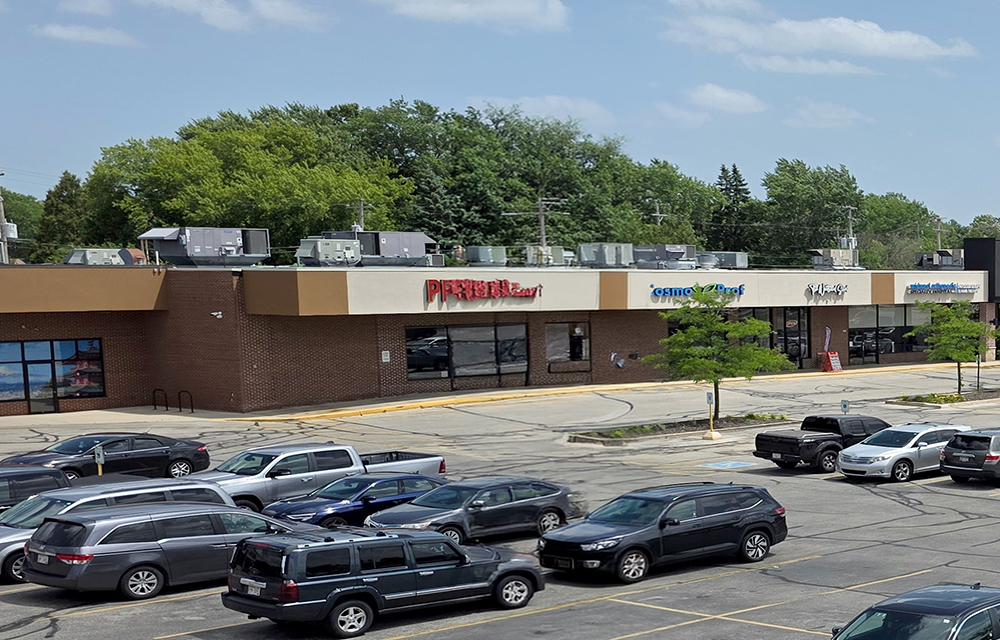
United Properties Corp. expands Wisconsin and Illinois retail presence adding 200,000 s/f
West Allis, WI United Properties Corp. completed two retail acquisitions totaling $27.4 million across Illinois and Wisconsin, adding 205,000 s/f of shopping center space to its portfolio





 (2).gif)

Columns and Thought Leadership

Positive forecast for New York’s pro-housing push? - by Philip Butler
New York’s housing crisis remains a hot button topic despite growing consensus that varied and affordable housing is desperately needed statewide. Governor Hochul has recently introduced several initiatives to overcome N.Y.’s anti-housing

A guide to finding the right NYC property management company - by Sanjay Gandhi
Being a small to midsize landlord in NYC is an increasingly demanding endeavor. From navigating complex regulations, increased compliance demands to dealing with tenant issues and remediating violations. It is wise to enlist the assistance of a partner, a professional

Hunt commercial real estate question and answer: Fortune 500 wisdom - by David Hunt
Yes, there are lessons to be learned from the largest companies in America when comes to managing your real estate. But the decision to buy or lease real estate may not be one of

New York’s streets are full again, and the retail numbers prove it - by Noam Aziz
Walk down any New York block this year and you can feel it. The sidewalks are crowded, the storefronts are lit, and the energy that defines this city is back at full volume.
.gif)