



News:
Brokerage
Posted: February 10, 2026
250,000 s/f Pianoworks property set for February 2026 auction
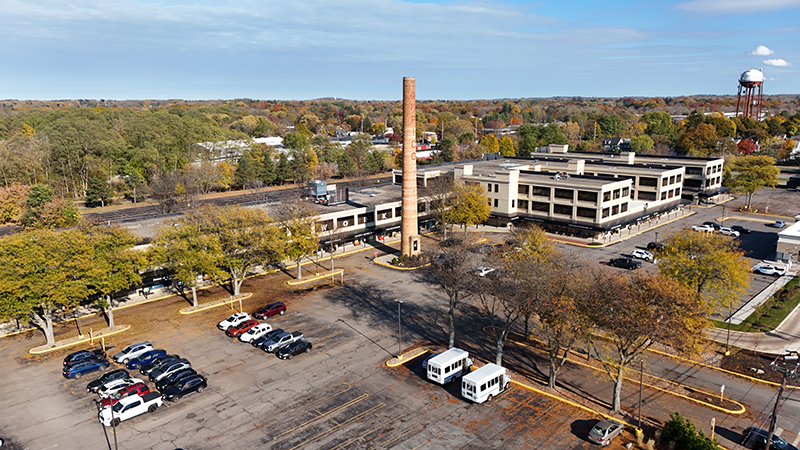
East Rochester, NY The historic Pianoworks property, a landmark mixed-use complex with industrial roots and modern repositioning potential, is set to hit Crexi Auctions in February 2026, offering investors and owner-users a rare opportunity to acquire a sizable, character-rich asset in the Greater Rochester market.
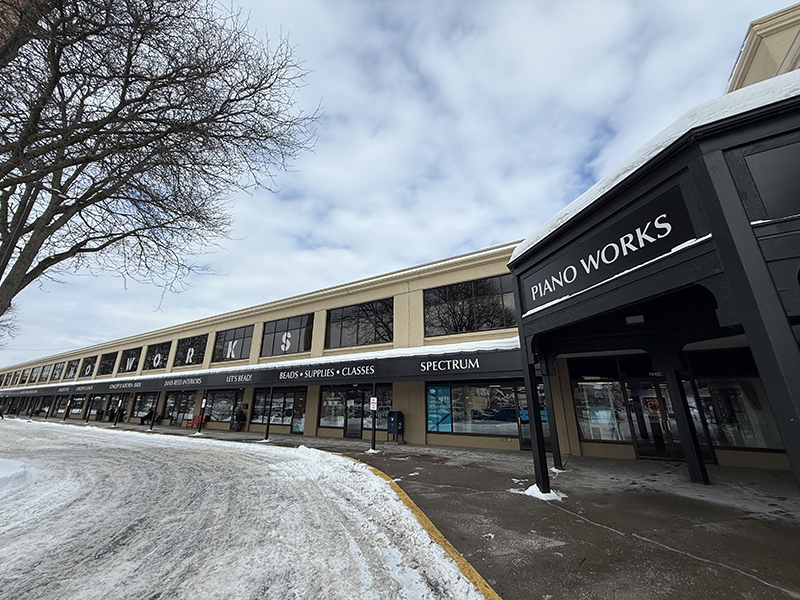 Formerly home to the American Piano Company and later known as Pianoworks Mall, the property spans multiple interconnected buildings and features classic early-20th-century industrial construction, including large floor plates, high ceilings, structural systems, and architectural details that lend themselves to adaptive reuse. Over the years, Pianoworks has housed a mix of office, retail, creative, and light industrial tenants, making it a well-known destination within the region.
The upcoming auction presents a compelling opportunity for buyers seeking value-add upside through lease-up, redevelopment, or repositioning into uses such as creative office, flex industrial, mixed-use, residential conversion (where zoning allows), or experiential retail. The property’s scale, visibility, and historic significance position it as a standout offering amid tightening supply for redevelopment assets.
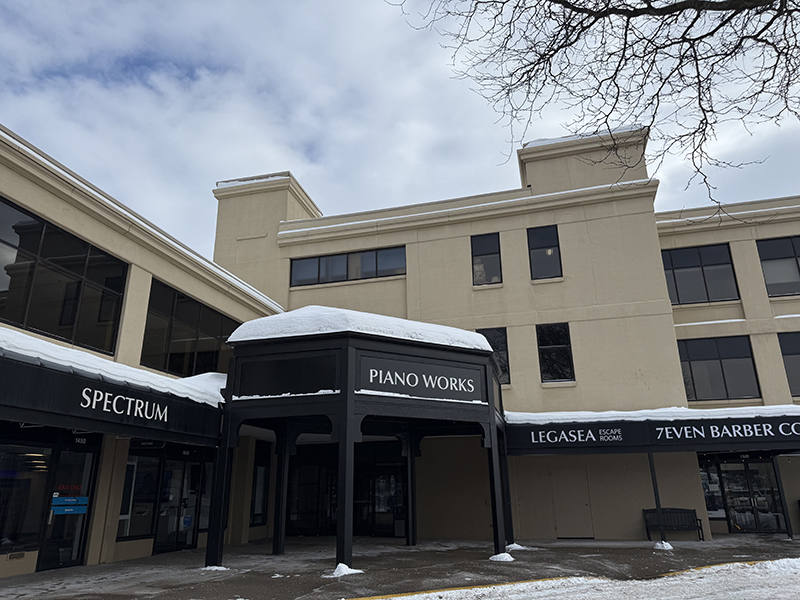 The auction will be hosted on Crexi’s national platform, providing broad exposure to institutional, regional, and private investors alike. Detailed due diligence materials, property information, and auction terms will be made available to qualified bidders in advance of the February 2026 auction date.
Interested parties are encouraged to register on Crexi and review the offering materials early, as interest is expected to be strong.
“Pianoworks is one of those properties that simply doesn’t get replicated anymore,” said a representative involved in the marketing of the asset. “It offers scale, character, and flexibility—all in a market where adaptive reuse continues to attract strong investor interest.”
Tags:
Brokerage
Western NY
MORE FROM Brokerage

Adirondack Capital Partners arranges $45 million sale of West Chelsea development site to Toll Brothers
Manhattan, NY Adirondack Capital Partners (ACP) closed the $45 million sale of 126/128 Tenth Ave. and 456 W. 18th St. to Toll Brothers City Living. The acquisition forms part of a broader





 (2).gif)

Columns and Thought Leadership

Hunt commercial real estate question and answer: Fortune 500 wisdom - by David Hunt
Yes, there are lessons to be learned from the largest companies in America when comes to managing your real estate. But the decision to buy or lease real estate may not be one of

New York’s streets are full again, and the retail numbers prove it - by Noam Aziz
Walk down any New York block this year and you can feel it. The sidewalks are crowded, the storefronts are lit, and the energy that defines this city is back at full volume.

Positive forecast for New York’s pro-housing push? - by Philip Butler
New York’s housing crisis remains a hot button topic despite growing consensus that varied and affordable housing is desperately needed statewide. Governor Hochul has recently introduced several initiatives to overcome N.Y.’s anti-housing

A guide to finding the right NYC property management company - by Sanjay Gandhi
Being a small to midsize landlord in NYC is an increasingly demanding endeavor. From navigating complex regulations, increased compliance demands to dealing with tenant issues and remediating violations. It is wise to enlist the assistance of a partner, a professional
.gif)