



News:
Spotlight Content
Posted: October 28, 2025
2025-Innovators in Commercial Real Estate-Remy Raisner of The Raisner Group
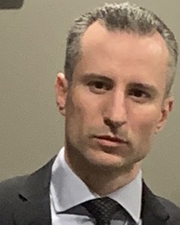
Founder & CEO
The Raisner Group
Impact Highlight: Describe a recent program, initiative, or process implemented by you and the impact on your firm, organization, or community. With my company I’ve led urban renewal in the formerly derelict areas of Bed Stuy, Bushwick and Prospect Lefferts Gardens since 2009. Our novel approach has proved that a long-term outlook can combine superior financial results with positive outcomes for local communities. To date, we’ve led over 70 state-of-the art investments.
Beyond Buildings: How do you see innovation in commercial real estate creating a broader impact on communities and the people who live and work in them? The most pressing part of innovation in real estate and urbanism is housing policy. There is an ever-exacerbating housing shortage in New York and nationwide. Positively, this is increasingly being dealt with, albeit step-by-step. The City Of Yes, the first overhaul of NYC’s zoning code since 1961, is a strong opening move.
Corporate Culture: How does your organization foster a culture of innovation among employees and leadership? The Raisner Group is a very flat, swift and gritty organization, always on focused on progress. It has stayed at the forefront of innovation. It undertook Bushwick’s first co-living project in 2019. In addition, the company has invested in 12 PropTech startups since as early as 2013, and has used many of them to lease its portfolio, particularly to lease and asset manage.
Innovative Outlook: Where do you see the biggest opportunities for innovation in the commercial real estate sector? There is still lot of room for asset and property management software improvements, especially with middle-market properties. Human eyes are still quite needed when using those, especially to either fully understand certain P&L items and make sure bills are properly being computed, in particular with commercial leases that might have unique features and provisions.
Tags:
Spotlight Content
MORE FROM Spotlight Content

NYREJ's 2026 Developing Long Island Spotlight is here!
This spotlight showcases projects completed and currently under construction across Long Island as well as highlights improvements made to the region through Industrial and Economic Development Agencies and BIDs.


.png)

Quick Hits


Columns and Thought Leadership

Properly serving a lien law Section 59 Demand - by Bret McCabe
Many attorneys operating within the construction space are familiar with the provisions of New York Lien Law, which allow for the discharge of a Mechanic’s Lien in the event the lienor does not commence an action to enforce following the service of a “Section 59 Demand”.

2026 Developing Queens: Long Island Board of Realtors advances commercial growth and advocacy in Queens
The Long Island Board of Realtors (LIBOR) Commercial Network continues to play a key role in advancing opportunities and strengthening the commercial real estate landscape across Queens. Through targeted programming and global outreach

CRE Guide Featured Company: Merritt Environmental Consulting Corp.
Merritt Environmental Consulting Corp. (MECC) was established in June of 2009 after being part of a larger engineering firm for almost 20 years. The focus of the company is to assist lending institutions, attorneys, real estate investors, and property owners with environmental concerns. Today, MECC has offices in New York, Florida, and Vermont and has grown into a regional consulting firm serving clients along the East Coast.

From vacancy to vitality: How adaptive reuse is reshaping Long Island’s CRE landscape - by Andrea Tsoukalas Curto
Adaptive reuse has become one of the most important conversations in commercial real estate today. Long Island has a large inventory of aging retail, office and industrial