



News:
Brokerage
Posted: July 16, 2012
2012 Upstate New York apartment market commentary
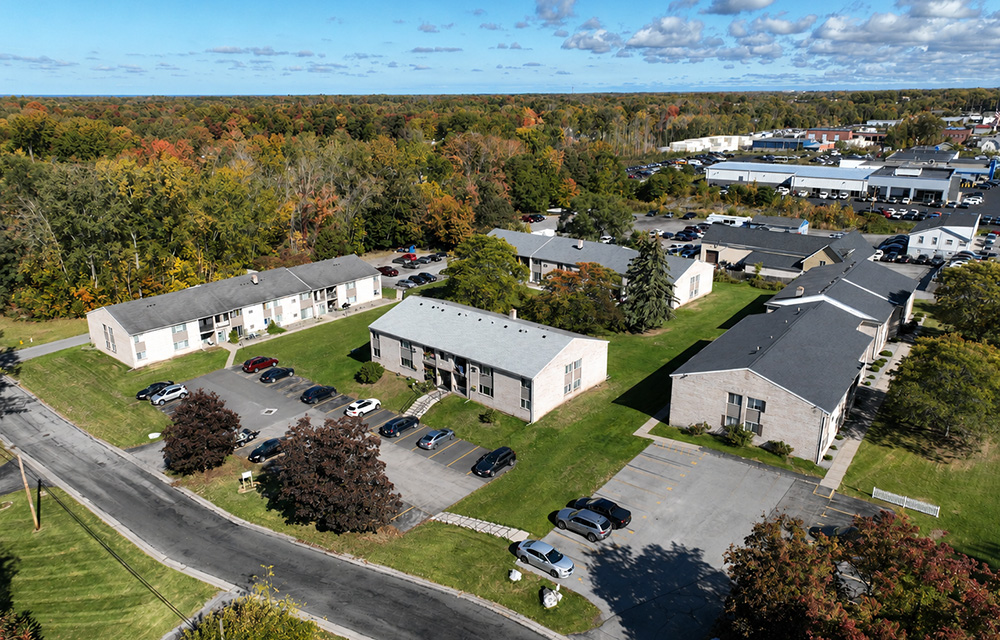
All time low mortgage interest rates available through mortgage programs specifically tailored to the multifamily segment have pushed sale capitalization rates to all time lows in the upstate New York apartment market. Freddie Mac and Fannie Mae are quoting ten year mortgages near 4%. There is huge interest in apartment investment properties and combined with the real rent growth of the last few years investors are willing to accept lower cap rates. There is no other investment alternative that delivers the same level of return.
In 2011, the 96 unit Collet Woods Apartments in Farmington between Rochester and Syracuse sold for $5.1 million at a 7.2% cap rate, pushing the cap rate for investment quality professionally managed properties below the 8% floor of the last few years. The 224-unit Knollwood Manor in Fairport near Rochester was sold for $10 million in February 2011 to Morgan Management, an owner and manager of more than 12,000 apartments throughout western and central New York. Regional operators continue to be net buyers focused on enlarging their portfolios. Knollwood was refinanced with a $15.2 million 10-year fixed Freddie Mac mortgage a year later in the first quarter of 2012; sizable profits are available in this market.
Coastal market apartment cap rates are below 5%, investment at this level requires a substantial increase in NOI over the holding period and the exit strategy requires substantial capital appreciation to pencil out long term. Lacking the institutional interest needed to drive pricing to these levels cap rates here are probably as low as they will go.
The operating numbers look good; Sunrise Management & Consulting finds average rental rates higher across the board in the upstate markets. Their Fall 2011 Multifamily Rental Market Report finds Syracuse rents at $.81 per s/f per month up 5.3% from the beginning of the economic downturn in the fall of 2008, Rochester at $.82 up 5.8%, Albany at $.93 up 8.4%, and Buffalo at $.86 up 3.1%. They conclude that these results are driven by rising demand for rentals and constrained inventory throughout the region. Occupancies are also strong, MPF Research in Texas shows Syracuse as one of the top five markets in the country at better than 97.8%. Even in mature markets the dynamics of the homeowner versus renter have changed, stiffer bank down payment requirements discourage new potential homeowners. Expect the creation of more renter households to keep occupancies above 95%.
There are two components to the cap rate, the benchmark (usually the yield on the 10-year Treasury Note) and the difference or spread between it and the cap rate. At the last peak of market activity in 2006 the 10-year Treasury yield was 5% and using the 7.2% cap rate from Home Properties December 2006 upstate portfolio sale the spread between multifamily cap rates and the 10-year Treasury yield in 2006 was 1.8%. The investment climate today is far different and today's 2% Treasury yield and typical 7.2% cap rate leaves a 5.2% spread. This higher spread leaves a buffer against rising rates and implies a bigger safety factor today for lenders as compared to 2006 indicating investors here have not driven cap rates as low as they can go. Explanations include the fear is that the low rates of today have been artificially created by the Federal Reserve's zero interest rate policy and that rates will rise substantially once this policy is changed. Higher rates do not necessarily imply higher cap rates and the corresponding decline in values, however higher rates will change the cash flow coverage calculation lenders use to underwrite new mortgages. Changes in value will be balanced between the increase in required debt service cushioned by strong performance in rent growth and occupancy.
Brian Heine is a licensed real estate broker in New York State
Tags:
Brokerage
MORE FROM Brokerage
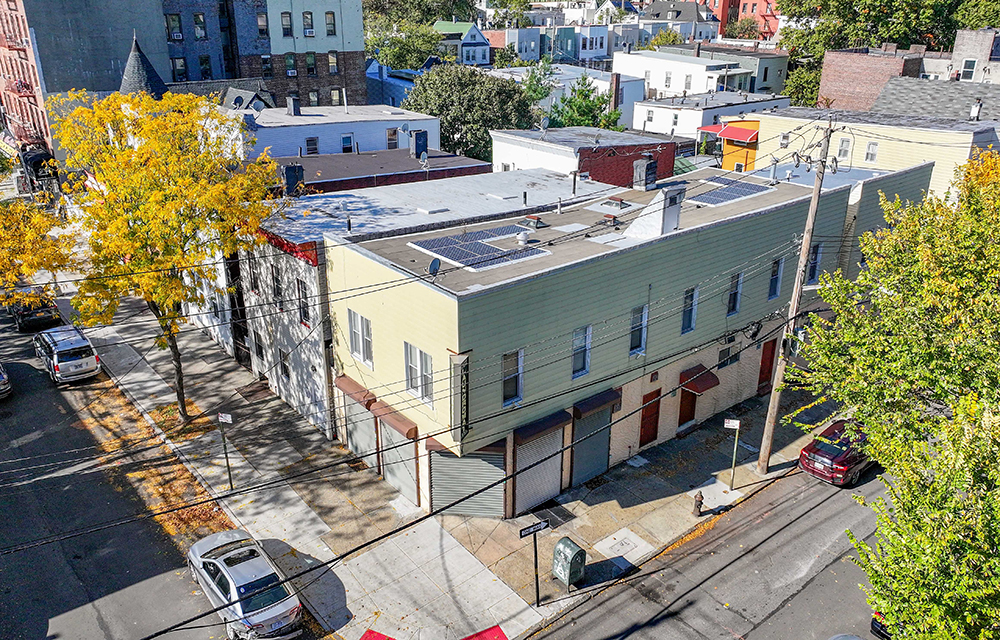
Investment Property Realty Group’s Team Friedman closes five Bronx sales totaling $5.3 million
Bronx, NY Investment Property Realty Group’s (IPRG) Team Friedman closed five sales totaling $5.3 million in the month of September. • 1707 Melville St. sold for $1.35 million. Located in Van Nest, the property




Columns and Thought Leadership

New York’s streets are full again, and the retail numbers prove it - by Noam Aziz
Walk down any New York block this year and you can feel it. The sidewalks are crowded, the storefronts are lit, and the energy that defines this city is back at full volume.

Positive forecast for New York’s pro-housing push? - by Philip Butler
New York’s housing crisis remains a hot button topic despite growing consensus that varied and affordable housing is desperately needed statewide. Governor Hochul has recently introduced several initiatives to overcome N.Y.’s anti-housing

Hunt commercial real estate question and answer: Fortune 500 wisdom - by David Hunt
Yes, there are lessons to be learned from the largest companies in America when comes to managing your real estate. But the decision to buy or lease real estate may not be one of

A guide to finding the right NYC property management company - by Sanjay Gandhi
Being a small to midsize landlord in NYC is an increasingly demanding endeavor. From navigating complex regulations, increased compliance demands to dealing with tenant issues and remediating violations. It is wise to enlist the assistance of a partner, a professional
.gif)
September Promotion
