



News:
Brokerage
Posted: August 25, 2008
2008 Buffalo area apartment market report
Apartment Finance Today magazine in its October 2007 issue published the results of a study that ranked the Buffalo apartment market as the 40th strongest of the 83 major markets surveyed, ahead of some major western and sunbelt cities. The rankings were based on the strength of each market's vacancy, rent growth, job growth, inventory growth, and home affordability. The Buffalo apartment market's vacancy rate is reported at 5.6% with rent growth of 3.4%. The country's fastest growing regions aren't necessarily the best markets to invest as the apartment inventory expands as demand grows. While population growth and job creation lags in this region the continuing formation of new one or two person households, a strong renter demographic, provides a steady stream of new prospective tenants and with new supply constrained as area construction costs prohibit the development of any new middle class apartments the combined effect has been to create a near "barrier to entry market" here. The result has been steadily increasing prices in recent years with brick suburban garden apartments selling at per unit prices averaging 33% higher than in 2002.
Investors break the Buffalo market into three segments: the Buffalo city market, the Buffalo suburban market, and the Niagara County market which includes the city of Niagara Falls. Apartment sales for investment grade properties averaged $32,000 per unit in 2007 in the city of Buffalo with the largest sale the 360 unit Towne Gardens to a New York City investor for $31,900 per unit when the costs of mandatory HUD repairs are included in the sale price. The sale of the suburban 228 unit Autumn Creek Apartments in Amherst lifted the suburban per unit average to $56,000, other Buffalo suburban sales averaged $42,000 and Niagara County sales averaged $34,000. Also in Amherst the Chelsea Place Apartments were sold as condominiums for $125,000 per unit, one of the few conversions in recent years, no new apartment projects were announced in Amherst in the past year.
With values supported by consistent occupancy, rent growth, and a lack of speculative development the area apartment market has yet to show any negative effects from the credit crunch. Prices may be impacted here if investors from coastal markets who have been major participants in the market in recent years pull back if problems develop in their own markets. The discontinuation of sub-prime mortgages has stemmed the flow of tenants to single family homes and solved the major operating problem plaguing managers. The owner of one large suburban class A complex reports that without the typical late summer outflow of tenants into newly bought houses he had a stabilized winter occupancy for the first time in several years.
The largest development is the $96 million conversion of the Kensington Village Apartments in the town of Cheektowaga to student housing, significant in that almost 900 middle class apartments will be removed from the market with nothing to replace them. All recent construction has either been targeted to the high income renter or student only apartments. The near 1,000 downtown loft conversion apartments have been readily absorbed with developers reporting only a handful of vacancies and monthly rents of up to $2,500.
New factors affecting the market in 2008 include the more realistic pricing of the U.S. dollar versus the Canadian dollar; Buffalo is a border city with international trade as an important component to the local economy. The stronger Canadian dollar aids the local economy allowing Canadian shoppers to patronize stores on this side of the border and American manufacturers are better able to export back. Canada is the U.S.'s largest trading partner and its proximity here combined with the strong economic fundamentals of the Buffalo apartment market may cushion the impact of the coming national slowdown.
Brian Heine is a licensed real estate broker in Buffalo, N.Y.
Tags:
Brokerage
MORE FROM Brokerage
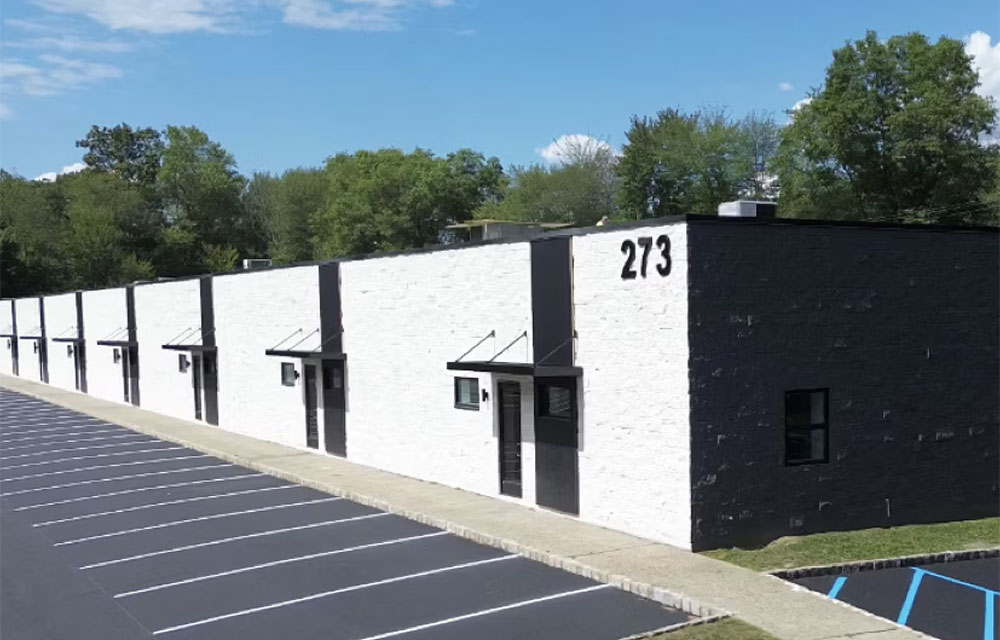
Resource Realty of Northern NJ delivers complete lease-up of 235 Franklin Rd. for Commerce Park Investors
Randolph, NJ Resource Realty of Northern New Jersey (RRNNJ) has completed the lease-up of a 10-unit small-bay industrial property at 273 Franklin Rd., marking the culmination of an investment strategy that began



Quick Hits

Columns and Thought Leadership

Hunt commercial real estate question and answer: Fortune 500 wisdom - by David Hunt
Yes, there are lessons to be learned from the largest companies in America when comes to managing your real estate. But the decision to buy or lease real estate may not be one of

New York’s streets are full again, and the retail numbers prove it - by Noam Aziz
Walk down any New York block this year and you can feel it. The sidewalks are crowded, the storefronts are lit, and the energy that defines this city is back at full volume.

A guide to finding the right NYC property management company - by Sanjay Gandhi
Being a small to midsize landlord in NYC is an increasingly demanding endeavor. From navigating complex regulations, increased compliance demands to dealing with tenant issues and remediating violations. It is wise to enlist the assistance of a partner, a professional

Positive forecast for New York’s pro-housing push? - by Philip Butler
New York’s housing crisis remains a hot button topic despite growing consensus that varied and affordable housing is desperately needed statewide. Governor Hochul has recently introduced several initiatives to overcome N.Y.’s anti-housing
.gif)