



News:
Brokerage
Posted: August 3, 2021
$1B Invested in Affordable Housing by Hudson Valley Property Group’s First Private Equity Real Estate Preservation Fund
Newark, NJ According to Hudson Valley Property Group, LLC (“HVPG”) it has closed on the acquisition of Lincoln Park Towers, the final investment for HVPG’s first private equity real estate fund, Hudson Valley Preservation Fund, LLC (“HVPF” or the “Fund”). The $60 million of capital commitments raised paired with $120 million of co-investment equity has been leveraged to invest over $1B in projects, scaling their model of preserving the financial and physical stability of affordable housing.
“HVPG has developed a consistent process for revitalizing existing housing to preserve affordability, improve quality, and increase efficiencies,” said Jason Bordainick, CEO and Co-Founder. “Leveraging private equity allows us to significantly expand our reach, earning a reliable return for investors while serving more residents and communities.”
HVPF was oversubscribed in March 2019, with commitments from institutional investors, banks, family offices, and individuals. The Fund made 13 investments in over 25 properties, preserving over 4,000 units of affordable housing for nearly 15,000 residents in Maryland, New Jersey, New York, and Pennsylvania. The Fund is Community Reinvestment Act-eligible and is evaluated using HVPG’s unique environmental, social, and corporate governance (“ESG”) reporting framework.
Lincoln Park Towers, the Fund’s final acquisition, is illustrative of the properties across the portfolio and HVPG’s mission. The 17-story historic building consists of 80 units of affordable, senior housing. In addition to preserving the long-term affordability of the property, the redevelopment will include immediate renovations to individual apartment units; energy efficiency updates; safety upgrades; and new community amenities such as a fitness room, lending library, and media center. Capital repairs include a new roof and repairs to windows, façade, and elevators. The building will also be set up with Wi-Fi and high-speed internet provided at no cost to residents.
This project is supported by the City of Newark through a new, 30-year Payment in Lieu of Taxes (“PILOT”) Agreement, and affordability is secured by a new 20-year project-based Housing Assistance Payment (“HAP”) Contract issued by the US Department of Housing and Urban Development (“HUD”).
Tags:
Brokerage
MORE FROM Brokerage
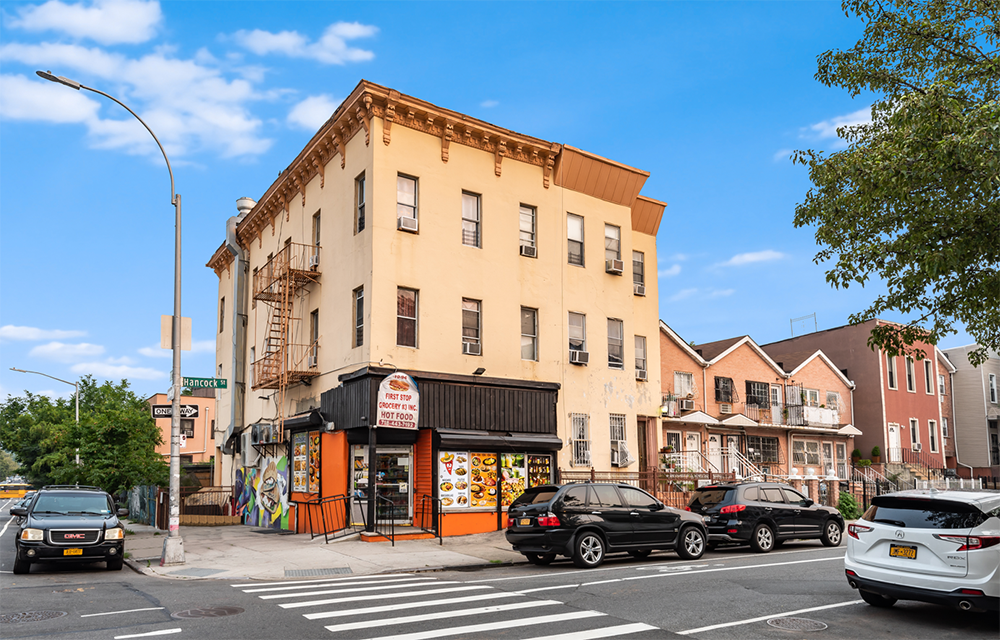
Investment Property Realty Group closes $1.75 million sale of 1094 Hancock Street in Brooklyn
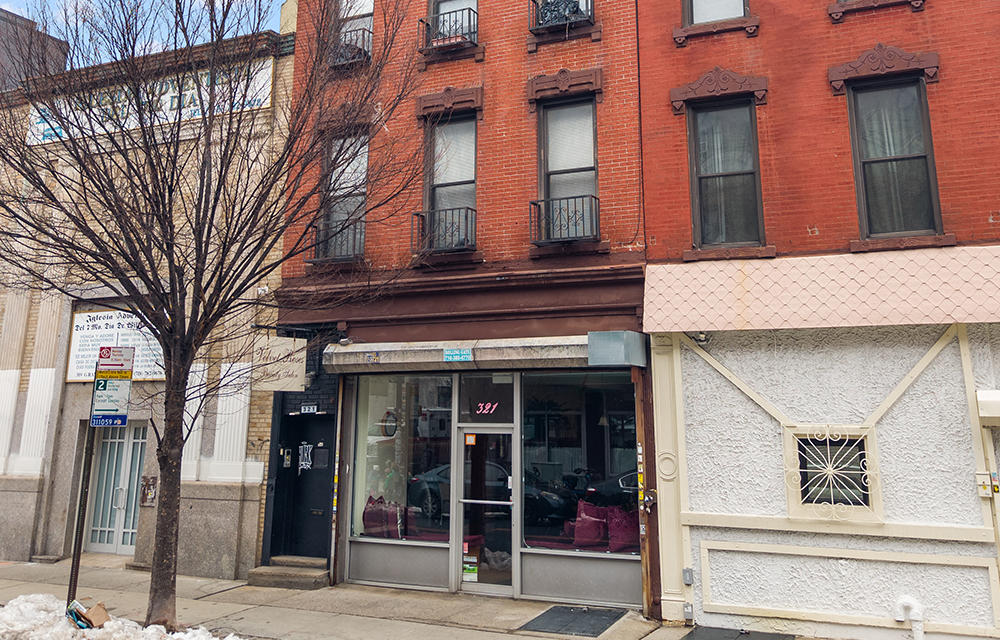
Brooklyn, NY Investment Property Realty Group (IPRG), a New York-based commercial investment firm, has closed the sale of 1094 Hancock St., a mixed-use building in the Bushwick section, for $1.75 million.


Quick Hits

Columns and Thought Leadership

Hunt commercial real estate question and answer: Fortune 500 wisdom - by David Hunt
Yes, there are lessons to be learned from the largest companies in America when comes to managing your real estate. But the decision to buy or lease real estate may not be one of

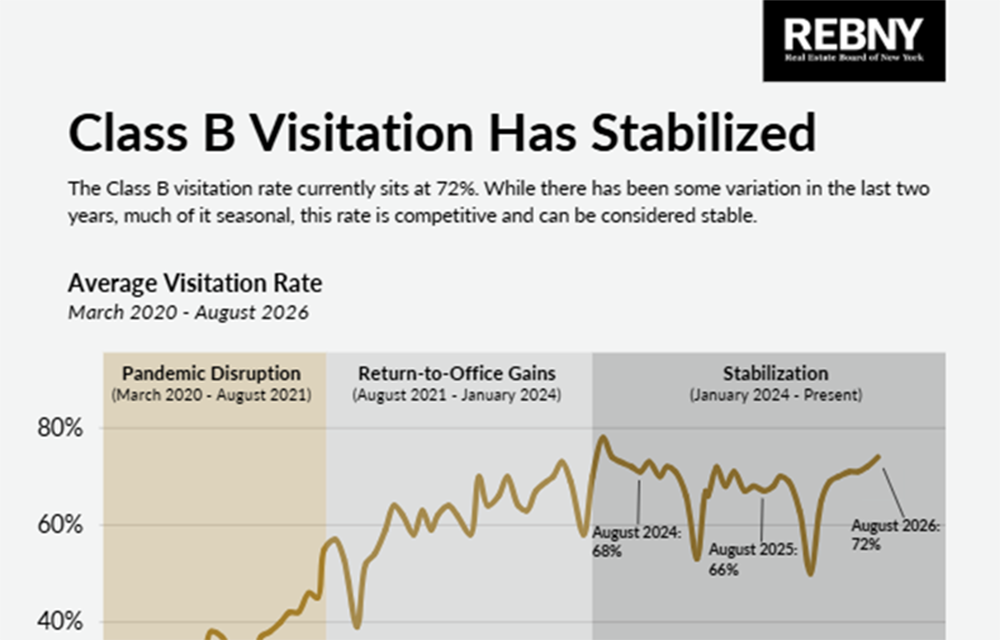
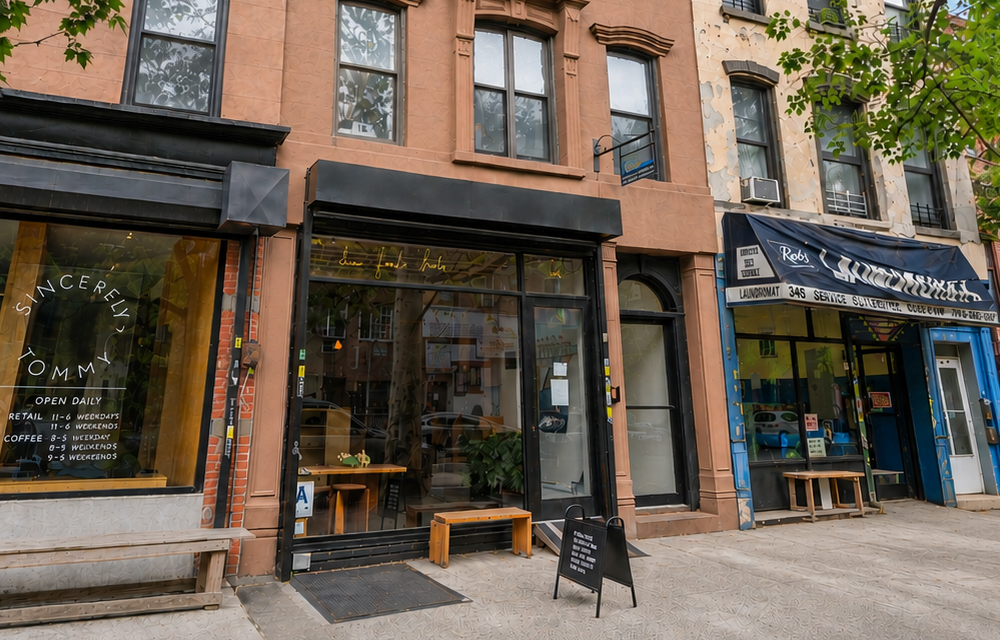
New York’s streets are full again, and the retail numbers prove it - by Noam Aziz
Walk down any New York block this year and you can feel it. The sidewalks are crowded, the storefronts are lit, and the energy that defines this city is back at full volume.

Hunt CRE question and answer: Choosing a real estate agent - by David Hunt
First, we will only work with one agent exclusively. The primary reason is that we want that agent to legally represent our client’s interests. In New York State, a real estate agent has a fiduciary

A guide to finding the right NYC property management company - by Sanjay Gandhi
Being a small to midsize landlord in NYC is an increasingly demanding endeavor. From navigating complex regulations, increased compliance demands to dealing with tenant issues and remediating violations. It is wise to enlist the assistance of a partner, a professional
.gif)