



News:
Brokerage
Posted: September 13, 2022
$11.5 million expansion begins on Buffalo's West Side Bazaar
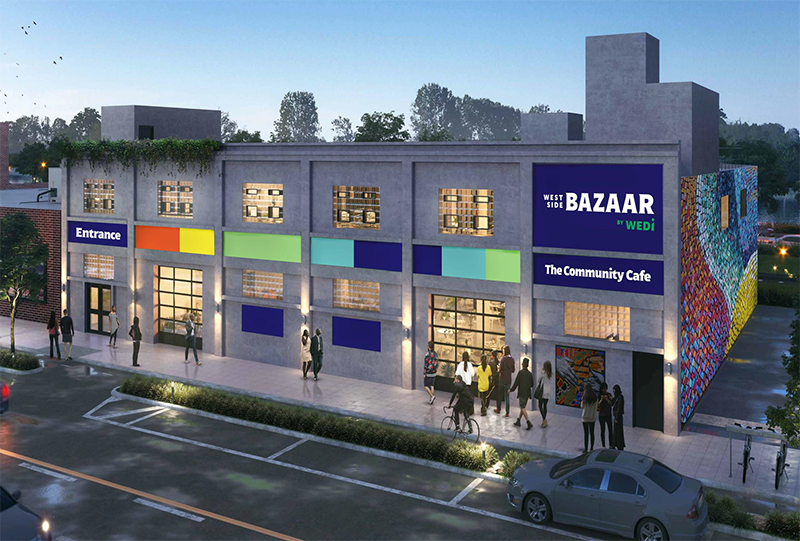 Buffalo, NY Governor Kathy Hochul said construction has begun on an $11.5 million project to create a new and expanded West Side Bazaar. Founded by the Westminster Economic Development Initiative in 2011, the West Side Bazaar small business incubator is a shopping and dining destination for locals and tourists searching for unique food and retail opportunities.
“For over 10 years, the West Side Bazaar has given disadvantaged entrepreneurs the opportunity to turn their dreams into reality,” governor Hochul said.
“I have enjoyed visiting the market, meeting and hearing the stories of the vendors at the Bazaar. The new location of the West Side Bazaar will be a significant economic boon for the community, drawing thousands of visitors and helping the Niagara Street neighborhood and Buffalo thrive.”
The Bazaar, which is operated by Westminster Economic Development Initiative, is a one-of-its-kind small business incubator supporting entrepreneurs on their path to becoming successful business owners. It consists of several food and retail vendors which sell quality authentic products from all around the world. The Bazaar serves women, minorities, refugees, immigrants and others who do not qualify for support from traditional banking and financial institutions by providing microloans and technical business assistance. To date, the West Side Bazaar has incubated more than 48 small businesses.
Westminster Economic Development Initiative executive director Carolynn Welch said, “We’re thrilled about this development and are looking forward to transforming a vacant building into a vibrant destination for the West Side community and all of Western New York. We look forward to seeing other businesses join us on Niagara Street to add to the momentum we are already experiencing in the community. With this larger space comes greater opportunity for the economically disadvantaged entrepreneurs who are excited to own and operate a business in our city. Together, we are creating a place that holds great promise for our region.”
The current West Side Bazaar at 25 Grant St. attracts thousands of visitors a week and has a waitlist of 125 aspiring entrepreneurs wanting to sell. The capital campaign to move and expand the Bazaar “Building Community, Building Opportunity, Building the New West Side Bazaar” was launched in the spring of 2021.The renovation of the 16,000 square foot vacant building at 1432 Niagara St. will provide space for 24 restaurant, retail and professional services businesses, test and rental kitchens for independent chefs, classrooms, event space and seating for 200+ patrons.
WEDI’s Economic Feasibility Study projects a significant economic impact through direct and indirect spending, estimated at approximately $34 million over five years and may have as many as 250,000 visitors annually. It will also contribute to the vibrancy and walkability of the West Side community and increase sales for area businesses.
WEDI’s business incubator assistance, including small business loans and business plan coaching, are available to everyone from economically disadvantaged backgrounds — not just immigrants — who need support starting a business.
CJS Architects designed the new home for the West Side Bazaar on Niagara St.. The two-story brick building was constructed in 1910. The transformation will light the street with large-windowed garage-style doors, preserved historic glass block windows on both floors, and will have a two-story sky-lit atrium and a reclaimed gym floor wood center staircase.
To help the Bazaar relocate and expand, Empire State Development, through the Western New York Regional Economic Development Council, awarded capital grant funding totaling $539,187. The Bazaar also received a Round 5 Better Buffalo Fund Buffalo Main Streets Initiative award of $500,000, administered by NYS Homes and Community Renewal.
The West Side Bazaar will remain open at 25 Grant St. until the renovations to the Niagara St. building are completed in the fall of 2023.
West Side Bazaar vendor Akec Aguar said, “To open a restaurant is my lifelong dream and I am forever grateful to WEDI for the opportunity. Everyone should ask themselves what they can do for the West Side Bazaar to make it a success at its new location.”
Tags:
Brokerage
Western NY
MORE FROM Brokerage
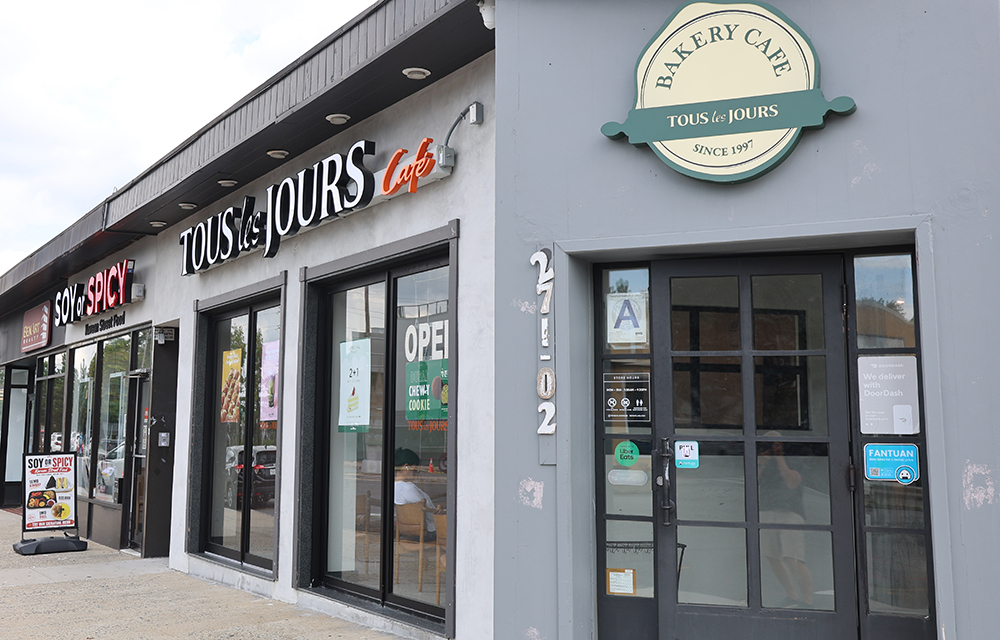
Sobel of RIPCO Real Estate signs Redefine Meals as newest tenant at New Hyde Park Place
New Hyde Park, NY New Hyde Park Place, the rebranded commercial property at 271-02 Union Tpke.on the Nassau/Queens border, has signed new tenant Redefine Meals, the Long Island-based prepared-meal company, for a new 1,000 s/f location, starting on September


Quick Hits

Columns and Thought Leadership

Positive forecast for New York’s pro-housing push? - by Philip Butler
New York’s housing crisis remains a hot button topic despite growing consensus that varied and affordable housing is desperately needed statewide. Governor Hochul has recently introduced several initiatives to overcome N.Y.’s anti-housing

New York’s streets are full again, and the retail numbers prove it - by Noam Aziz
Walk down any New York block this year and you can feel it. The sidewalks are crowded, the storefronts are lit, and the energy that defines this city is back at full volume.

Hunt commercial real estate question and answer: Fortune 500 wisdom - by David Hunt
Yes, there are lessons to be learned from the largest companies in America when comes to managing your real estate. But the decision to buy or lease real estate may not be one of

A guide to finding the right NYC property management company - by Sanjay Gandhi
Being a small to midsize landlord in NYC is an increasingly demanding endeavor. From navigating complex regulations, increased compliance demands to dealing with tenant issues and remediating violations. It is wise to enlist the assistance of a partner, a professional
.gif)
September Promotion
