



News:
Brokerage
Posted: October 20, 2020
Zuul launches virtual food hall: Zuul Market
New York, NY Zuul has launched Zuul Market, a virtual food hall delivery experience fueling New Yorkers’ return to work. Zuul Market provides scheduled food deliveries to specific drop points, enabling tenants, employees and residents to order from multiple restaurants in the same delivery. Zuul has partnered with some of NYC’s largest property developers including Silverstein Properties and Broad Street Development to launch partnerships that include a white-label online ordering portal and custom website for a bespoke experience.
Orders are prepared by member restaurants located in Zuul’s SoHo ghost kitchen, including Junzi Kitchen, Naya Express, Sarge’s Deli, and Stone Bridge Pizza & Salad. Zuul Market features 15-20 curated items from each restaurant and allows diners to filter by dietary restriction, brand, and category.
“Zuul Market builds on our 2019 acquisition of Ontray, moving from a single- restaurant to a multi-restaurant food delivery service,” said Corey Manicone, CEO of Zuul. “We’re excited to offer this new sales channel to our member restaurants while supporting a safe return to work for many New Yorkers.”
Zuul Market became an important part of the strategic plan for Silverstein Properties’ return to work. The marketplace was integrated into Silverstein’s Inspire tenant app to provide the Zuul Market as a building-wide amenity, across Silverstein’s buildings.
By consolidating multiple orders into a single delivery, Zuul Market reduces the number of drivers interacting with the building and frees up space on elevators.
“Zuul is a great service that has become an important part of our Inspire hospitality app,” said Guy Vardi, chief innovation officer for Silverstein Properties. “Our employees and tenants can order lunch from their phones before 10:30am, and have it delivered directly to their desks two hours later. Zuul offers full quality control over the entire process - from food preparation to delivery.”
“Zuul Market’s delivery model unlocks the efficiencies of larger, catering-style deliveries, but with the diversity of choice and brand-name restaurants of a food hall,” said Kristen Barnett, director of strategy for Zuul. “We are excited about the potential to expand this model to other buildings to offer customers convenience without sacrificing choice.”
To drive sales for member restaurants, Zuul co-creates virtual brands that leverage the existing restaurant’s talent and kitchen ingredients. Stone Bridge Pizza, with Zuul’s support, created Rival Sandwich Co, a virtual brand designed to highlight the artisanal sandwiches on the Stone Bridge menu. Zuul led the creation of the name, logo, art direction and photography to bring the brand to life in just two weeks. Sales of sandwiches increased three-fold in the first week of launch.
“As a restaurant owner, time is in short supply to handle just our existing brand, so creating a new one for our sandwiches seemed like a monumental undertaking,” said Enrique Mendez, owner of Stone Bridge Pizza. “With Zuul Market and the support of Zuul’s team, we were able go from concept to launch very quickly with immediate results.”
Zuul also launched it’s own virtual brand, Snack Committee. With many shared kitchens in offices now shuttered, Snack Committee aims to meet the between- meal gaps by delivering a curated selection of individually packaged snacks, sweets, beverages, and basics from both local NYC and national partners.
The company’s plans for expansion include additional food hall partnerships and ghost kitchen locations throughout New York City.
Tags:
Brokerage
MORE FROM Brokerage
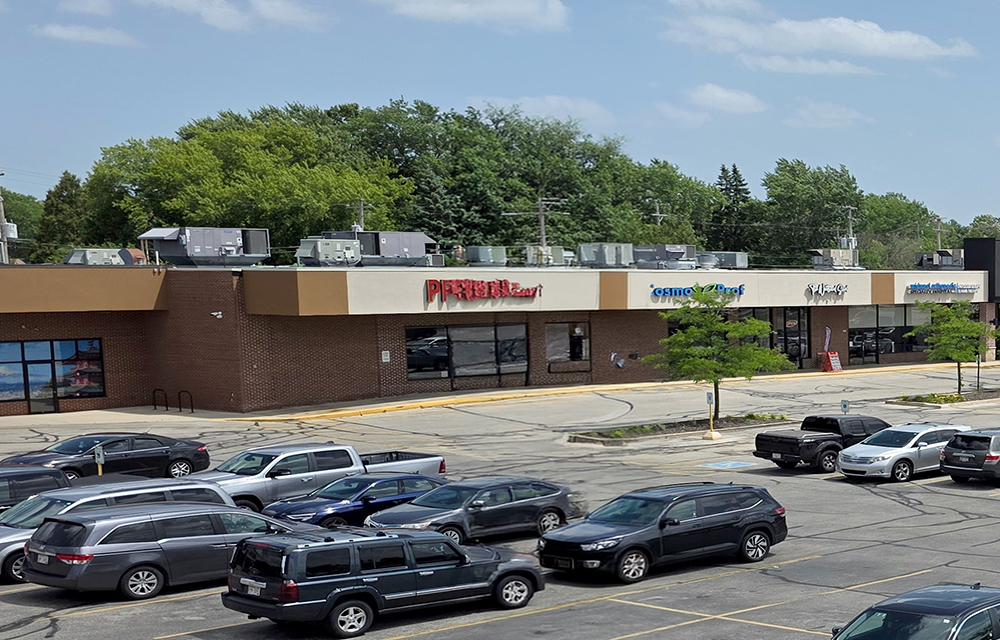
United Properties Corp. expands Wisconsin and Illinois retail presence adding 200,000 s/f
West Allis, WI United Properties Corp. completed two retail acquisitions totaling $27.4 million across Illinois and Wisconsin, adding 205,000 s/f of shopping center space to its portfolio




Quick Hits

Columns and Thought Leadership

New York’s streets are full again, and the retail numbers prove it - by Noam Aziz
Walk down any New York block this year and you can feel it. The sidewalks are crowded, the storefronts are lit, and the energy that defines this city is back at full volume.

Positive forecast for New York’s pro-housing push? - by Philip Butler
New York’s housing crisis remains a hot button topic despite growing consensus that varied and affordable housing is desperately needed statewide. Governor Hochul has recently introduced several initiatives to overcome N.Y.’s anti-housing

A guide to finding the right NYC property management company - by Sanjay Gandhi
Being a small to midsize landlord in NYC is an increasingly demanding endeavor. From navigating complex regulations, increased compliance demands to dealing with tenant issues and remediating violations. It is wise to enlist the assistance of a partner, a professional

Hunt commercial real estate question and answer: Fortune 500 wisdom - by David Hunt
Yes, there are lessons to be learned from the largest companies in America when comes to managing your real estate. But the decision to buy or lease real estate may not be one of
.gif)