



News:
Brokerage
Posted: October 20, 2020
Size matters: The smaller the better? - by Ori Goldring

Goldring
Investment Sales
In the early months of the pandemic transaction velocity of investment sales in NYC nearly ground to a halt. One market segment that has remained relatively resilient has been that of multifamily assets priced $5 million and under, particularly in Brooklyn. With $5 million and under sales making up nearly 50% of all real estate transactions across all asset classes throughout NYC, coupled with Brooklyn controlling nearly 34.5% of all transactions in the COVID-19 world thus far, it becomes the question in our current climate: Is smaller better?
The push towards smaller assets was a logical response to the Housing Stability and Tenant Protection Act of 2019, and was further accelerated by the pandemic. With fewer than six units, many properties in the <$5 million space are not subject to rent stabilization. Many investors now view these as a safe haven from potential pitfalls that come with a rent stabilized assets. In addition smaller buildings tend to have lower operating expenses. Even those that are subject to rent stabilization still benefit from protected tax classes and lower maintenance and payroll costs. According to the Rent Guidelines Board, the operating costs of rent stabilized units increased 5.8% between 2017 and 2018. In an effort to mitigate increasing costs, investors are finding value in an ever changing market. The <$5 million market which provides broader accessibility and thus a deeper buyer pool.
At present Besen Partners are representing several sellers of these assets and seeing the clear difference in both interest and pricing. Variance in cap rates between stabilized and free market properties are as much as 100 basis points at present (i.e. from 5.5 to 6.5%), and there is a greater air of caution among investors. Vacancies, while desirable in certain instances, have created complications. Though some investors with larger appetites may lament the current status of the real estate market, things are looking up for those who think smaller is better.
Ori Goldring is an investment sales associate at Besen Partners, New York, N.Y.
Tags:
Brokerage
MORE FROM Brokerage
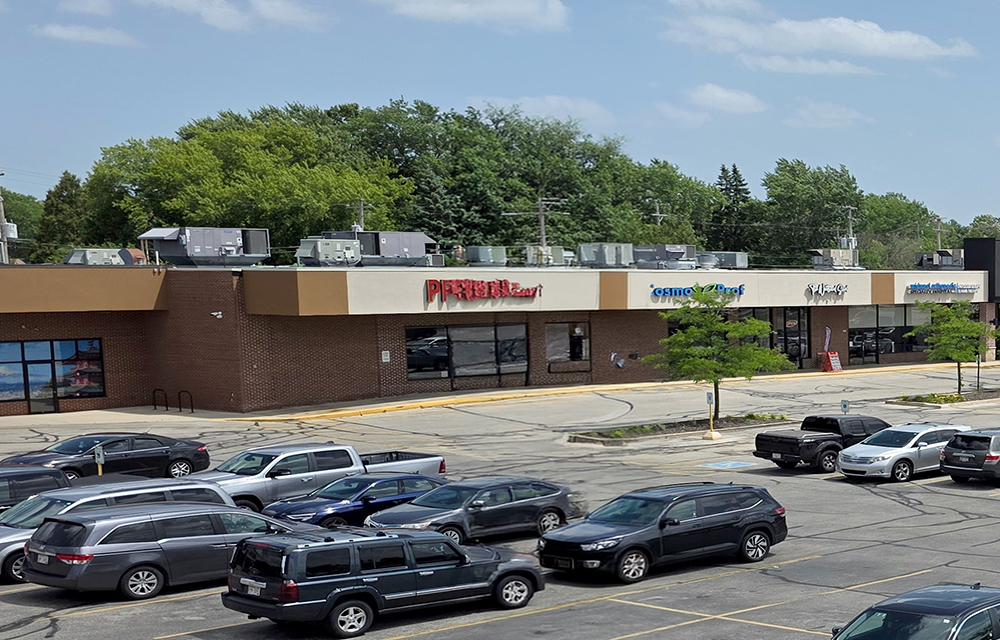
United Properties Corp. expands Wisconsin and Illinois retail presence adding 200,000 s/f
West Allis, WI United Properties Corp. completed two retail acquisitions totaling $27.4 million across Illinois and Wisconsin, adding 205,000 s/f of shopping center space to its portfolio






 (2).gif)

Columns and Thought Leadership

Positive forecast for New York’s pro-housing push? - by Philip Butler
New York’s housing crisis remains a hot button topic despite growing consensus that varied and affordable housing is desperately needed statewide. Governor Hochul has recently introduced several initiatives to overcome N.Y.’s anti-housing

A guide to finding the right NYC property management company - by Sanjay Gandhi
Being a small to midsize landlord in NYC is an increasingly demanding endeavor. From navigating complex regulations, increased compliance demands to dealing with tenant issues and remediating violations. It is wise to enlist the assistance of a partner, a professional

Hunt commercial real estate question and answer: Fortune 500 wisdom - by David Hunt
Yes, there are lessons to be learned from the largest companies in America when comes to managing your real estate. But the decision to buy or lease real estate may not be one of

New York’s streets are full again, and the retail numbers prove it - by Noam Aziz
Walk down any New York block this year and you can feel it. The sidewalks are crowded, the storefronts are lit, and the energy that defines this city is back at full volume.
.gif)