



News:
Brokerage
Posted: December 13, 2022
Yonkers Housing Authority and The Community Builders making progress on The Ridgeway
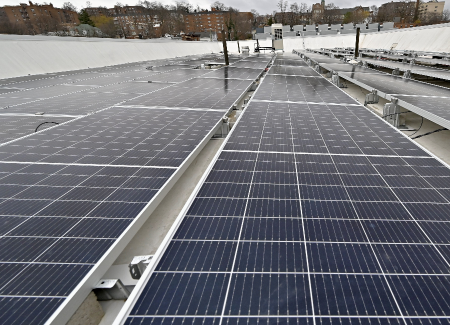
Yonkers, NY The Yonkers Housing Authority (YHA) and The Community Builders (TCB) have been working together for more than a decade to redevelop the 1940s-era Cottage Place Gardens public housing complex into The Ridgeway, a modern mixed-income community in Southwest Yonkers.
To date, the six-phase master plan has built 327 affordable rental units with another 81 slated for completion this month and 92 more units in design. The first two phases of The Ridgeway consist of three multifamily buildings containing 172 units located at 33 and 43 Ashburton Ave. and 188 Warburton Ave. in downtown Yonkers. These buildings, which were completed in 2015 and 2016, were designed as solar-ready, with rooftops that could accommodate the additional load from a future solar photovoltaic system.
When the City of Yonkers amended its building code in December 2020 to permit community solar projects, YHA and TCB decided to pursue retrofitting the rooftops at these buildings with solar panels. TCB worked with Resonant Energy, a solar company that specializes in serving affordable housing and other nonprofits, to assist with permitting and create custom financing for the solar projects that both reduces residents' electric bills, while also providing savings on the buildings’ common electricity expenses.
Community solar is a program designed so the electricity savings generated by solar panels in one location can be shared with multiple subscribers in the utility provider’s service area in addition to the owner of the building hosting the system.
Through this program, Sunwealth Power, a regional solar financing company, will own and maintain 345 solar panels, over 140 kilowatts DC, on the three rooftops. The building owners will purchase electricity in exchange for electricity bill credits with a net estimated savings of $229,000 over 25 years that will go towards offsetting the electricity cost of operating these buildings. 172 Warburton, the fourth phase of the master plan, opened last fall with 183 roof-top solar panels; the fifth phase, 178 Warburton, is being constructed with 154 solar panels; the sixth phase is expected to have over 200 panels.
As a community solar program, TCB and YHA are able to share the savings with 19 residents on a first come first served basis. There is no cost to the residents and the savings is estimated at $200/year/household.
A resident who signs up will continue to receive their monthly utility bill from Con Edison and, from the time the solar is completed and connected to the grid, they will see a credit against their current charges. The installation of the panels at 33 and 43 Ashburton Ave. and 188 Warburton Ave. is complete and the interconnection of the system to the electricity grid is expected before the end of this year.
“Sustainability is a top priority of my administration. I applaud the Yonkers Housing Authority and The Community Builders for developing this important and innovative Community Solar program. Not only is it helping to reduce our carbon footprint it is also providing energy cost savings for residents. It’s a win-win for our city,” said Mayor Mike Spano.
“I was recently in DC attending the National Environmental Justice Advisory Council meeting where it was clear that many other communities can’t or don’t know how to provide roof-top solar to affordable housing developments. Yet here in Yonkers, working with Mayor Mike Spano’s Administration and our community development partners, TCB, we have been able to make it happen,” said Wilson Kimball, president and CEO of the Yonkers Housing Authority.
“The Community Builders is committed to sustainability and excited to install solar technology at The Ridgeway to advance clean energy with our partners at Yonkers Housing Authority,” said Jesse Batus, vice president of Development at The Community Builders. “Thanks to Mayor Spano’s leadership, progressive zoning in the City of Yonkers is welcoming to solar solutions that can lower utility use and decrease electricity expenses. We’re proud to partner with Yonkers Housing Authority to create housing that is more efficient and communities that are more sustainable in Yonkers.”
Tags:
Brokerage
MORE FROM Brokerage
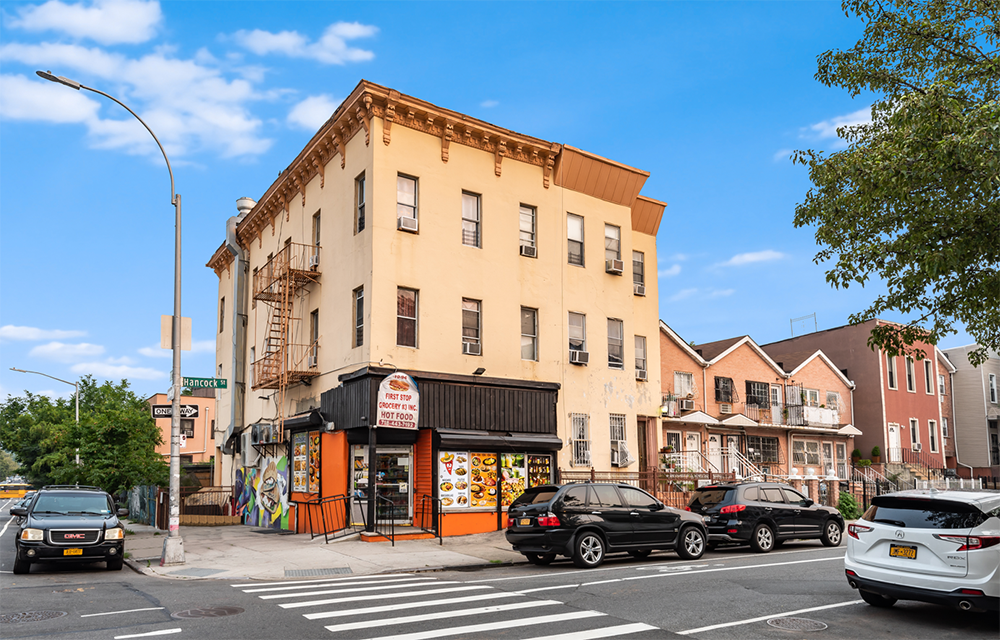
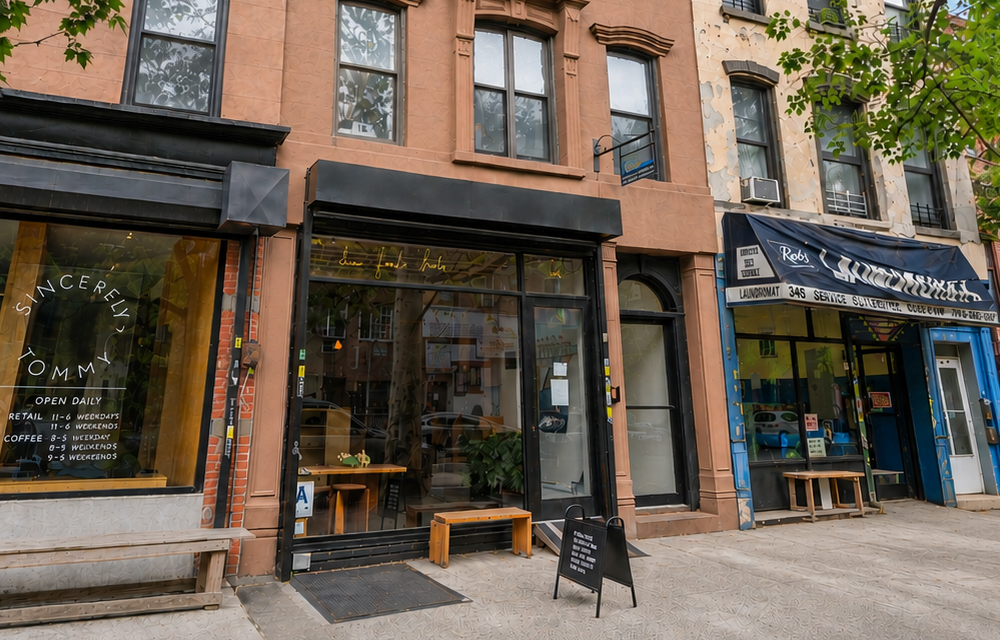
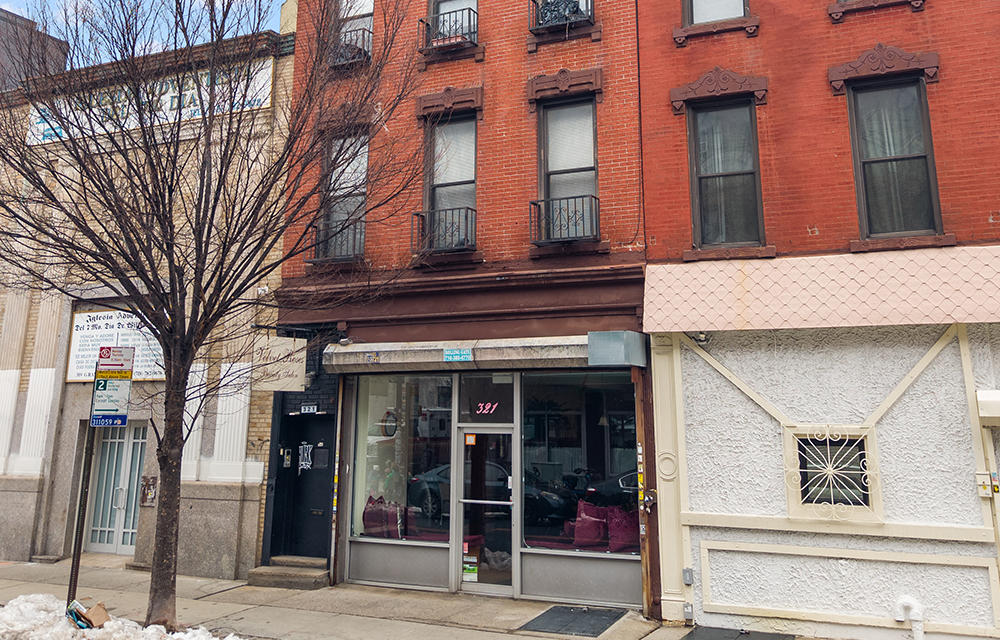
Investment Property Realty Group closes $1.75 million sale of 1094 Hancock Street in Brooklyn
Brooklyn, NY Investment Property Realty Group (IPRG), a New York-based commercial investment firm, has closed the sale of 1094 Hancock St., a mixed-use building in the Bushwick section, for $1.75 million.


Quick Hits

Columns and Thought Leadership

Hunt CRE question and answer: Choosing a real estate agent - by David Hunt
First, we will only work with one agent exclusively. The primary reason is that we want that agent to legally represent our client’s interests. In New York State, a real estate agent has a fiduciary

Hunt commercial real estate question and answer: Fortune 500 wisdom - by David Hunt
Yes, there are lessons to be learned from the largest companies in America when comes to managing your real estate. But the decision to buy or lease real estate may not be one of

A guide to finding the right NYC property management company - by Sanjay Gandhi
Being a small to midsize landlord in NYC is an increasingly demanding endeavor. From navigating complex regulations, increased compliance demands to dealing with tenant issues and remediating violations. It is wise to enlist the assistance of a partner, a professional

New York’s streets are full again, and the retail numbers prove it - by Noam Aziz
Walk down any New York block this year and you can feel it. The sidewalks are crowded, the storefronts are lit, and the energy that defines this city is back at full volume.
.gif)