



News:
Brokerage
Posted: March 22, 2022
Yablon of Katz & Assocs. secures lease for Peak Design at 241 Lafayette St.
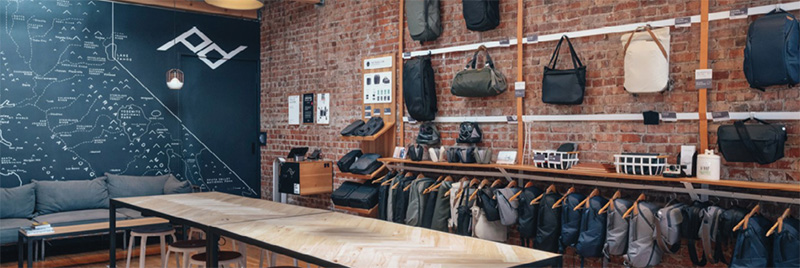
Manhattan, NY Peak Design, carry solutions for creatives, commuters, and adventurers, has signed a lease for its first dedicated East Coast retail store. Katz & Associates’ David Yablon represented Peak Design for the store coming to 241 Lafayette St., between Prince and Spring Sts., in Nolita. Christopher Owles and Sarah Shannon from Sinvin represented the landlord.
The new Peak Design store, 2,050 s/f on the ground with an additional 1,500 s/f in the basement, is slated to open Q3 2022. The lease is for seven years with a five-year option.
“It’s a pleasure representing Peak Design in lease to secure their first East Coast store in Nolita,” said Yablon, director. “We’ve worked together since 2019 to secure the right space and we’re excited about 241 Lafayette – it’s a great size that they can really grow into and an ideal location. Peak Design’s well-designed products and ethos make it a great match for the neighborhood and the clients it will serve.”
“Our retail stores are performing well, so we wanted to explore other locations. Since we are a strong international brand, we wanted to target a market that caters to worldwide travelers – what better place than NYC?!,” said Christine Zona, Head of Retail, Peak Design. “Nolita is flush with like-minded brands that will attract a clientele who is interested in what we offer. Our store is way more than just a store; it’s a hub for connecting and sharing. It’s a community center where we host photography workshops, photo walks, and artist talks. We’ll host product training for our partners and distributors, and focus groups with customers.”
Peak Design award-winning bags and camera gear are sold in the retailer’s dedicated stores: their San Francisco flagship (opened in 2017) and in Tokyo (opened in 2020). Peak Design products are also sold at retailers including REI, Best Buy, and independent electronics and camera stores.
Tags:
Brokerage
MORE FROM Brokerage

Ones To Watch: Innovators In Commercial Real Estate: Lisa Nickerson, Infinityy
What I’m most proud of is the human impact of what we’re building. Technology should do more than improve efficiency — it should make






Columns and Thought Leadership

The art of investing in real estate - by Thomas Donovan
Real estate investing is as much an art as it is a skill. No one can time the market, or the factors that drive it, perfectly. Location, zoning, size, transportation, and neighborhood density give you a baseline for

Hunt CRE question and answer: Choosing a real estate agent - by David Hunt
First, we will only work with one agent exclusively. The primary reason is that we want that agent to legally represent our client’s interests. In New York State, a real estate agent has a fiduciary

New York’s streets are full again, and the retail numbers prove it - by Noam Aziz
Walk down any New York block this year and you can feel it. The sidewalks are crowded, the storefronts are lit, and the energy that defines this city is back at full volume.

Hunt commercial real estate question and answer: Fortune 500 wisdom - by David Hunt
Yes, there are lessons to be learned from the largest companies in America when comes to managing your real estate. But the decision to buy or lease real estate may not be one of
.gif)