



News:
Brokerage
Posted: December 23, 2013
Working with interior design contracts on commercial projects
Interior design is a big business and more and more designers are getting involved in large commercial projects, as well as large residential ones where two or more apartments are combined. If you are thinking of working with an interior designer, you should have an attorney who knows this area of the law review it as carefully as you would a contract with a contractor. I have drafted and reviewed many of these contracts and have never seen two that are the same.
In a recent negotiation with an interior designer regarding a residential gut renovation, I commented that the designer was asking to be paid 90% of her fee before any construction was commenced. My client was concerned because she had asked the designer to spend even more time overseeing construction than usual, since my client does not live in New York City. The interior designer said "Once my drawings are complete, my work is done. I turn it over to the contractor and he follows my well-drafted designs." While it is good to hear that a lot of time goes into the plans, that is by no means the end of the story. Money needs to be held back to cover the designer's services during the contract administration phase which usually lasts for a number of months. If not, you can wind up like a lady who came up to me at one of my seminars and said "I paid the designer in full, but I still do not have a sign-off on the electrical work and she is not returning my calls. Can you help me ?
C. Jaye Berger, Esq., is the principal of Law Offices C. Jaye Berger, New York, N.Y.
Tags:
Brokerage
MORE FROM Brokerage
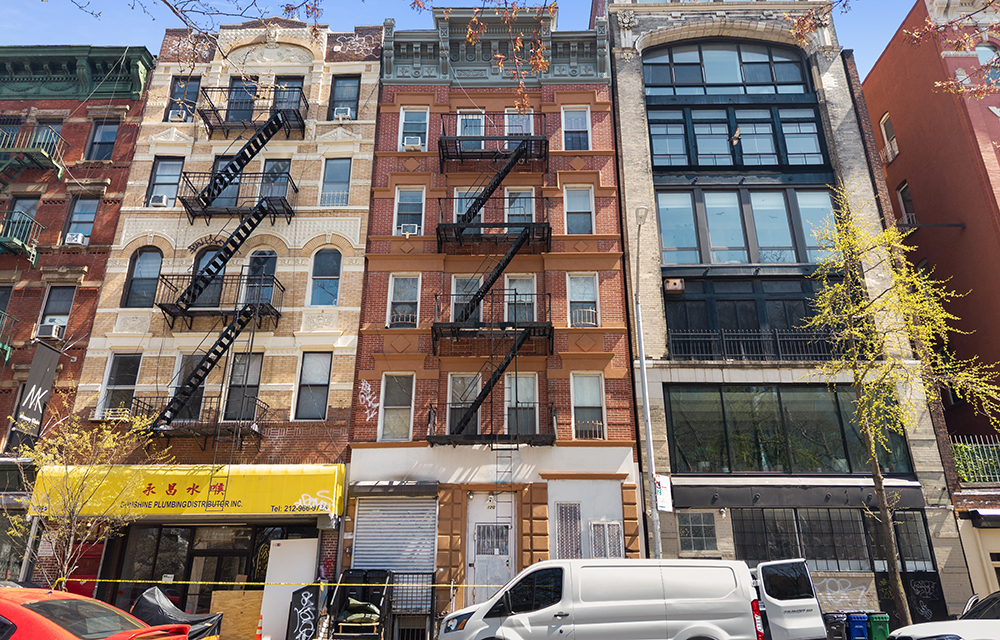
Investment Property Realty Group sells 120 Forsyth St. for $1.35 million
Manhattan, NY Investment Property Realty Group (IPRG) closed the sale of 120 Forsyth St., a mixed-use building located in the Lower East Side section of the city, for $1.35 million.






 (2).gif)

Columns and Thought Leadership

Positive forecast for New York’s pro-housing push? - by Philip Butler
New York’s housing crisis remains a hot button topic despite growing consensus that varied and affordable housing is desperately needed statewide. Governor Hochul has recently introduced several initiatives to overcome N.Y.’s anti-housing

New York’s streets are full again, and the retail numbers prove it - by Noam Aziz
Walk down any New York block this year and you can feel it. The sidewalks are crowded, the storefronts are lit, and the energy that defines this city is back at full volume.

Hunt commercial real estate question and answer: Fortune 500 wisdom - by David Hunt
Yes, there are lessons to be learned from the largest companies in America when comes to managing your real estate. But the decision to buy or lease real estate may not be one of

A guide to finding the right NYC property management company - by Sanjay Gandhi
Being a small to midsize landlord in NYC is an increasingly demanding endeavor. From navigating complex regulations, increased compliance demands to dealing with tenant issues and remediating violations. It is wise to enlist the assistance of a partner, a professional
.gif)