



News:
Brokerage
Posted: May 16, 2023
Why media coverage should be a constant in your marketing plan - by Harry Zlokower

Building credibility and awareness are two major principles of sound real estate marketing. But even more essential and difficult in today’s uncertain market are maintaining those challenging goals.
Real estate professionals are often easily thrilled by the prospects and eventual execution of broad based regional and national campaigns that promise to get their names and products into prestigious business and trade media, light up their websites, rank high in search engines and re-publish to target audiences via e-mail blasts and social media. And then as quickly as excitement and awareness have been built comes the need to shift budgeting to a different resource, more personnel, new technology, more direct marketing tactics or just simply budget cuts.
While such changes are understandable and new directions admirable, maintaining brand and media presence should be a constant through whatever new routes you decide to travel. Agreed that while brand and media coverage are no longer the only game in town, they are still a tried and tested constant with a proven record of results.
In addition to spreading your name and firm through 24/7 digital dissemination, those articles and broadcasts in recognized media continue to have longer and longer lives on search engines. They manage to come up when someone searches for services or properties wherein you offer sound advice, are quoted as expert or your deals, properties or company are described with credibility, all of which attest to the merits of who you are and what you are selling.
So rather than flip from one tactic to another, understand that media coverage — from well-known business, personal finance and consumer outlets to broadcasts, podcasts and videos — does not go out of style. It should be an essential part of your playbook, guarded constantly, no matter where else you plan to invest your resources.
Harry Zlokower is a real estate public relations consultant based in New York.
Tags:
Brokerage
MORE FROM Brokerage
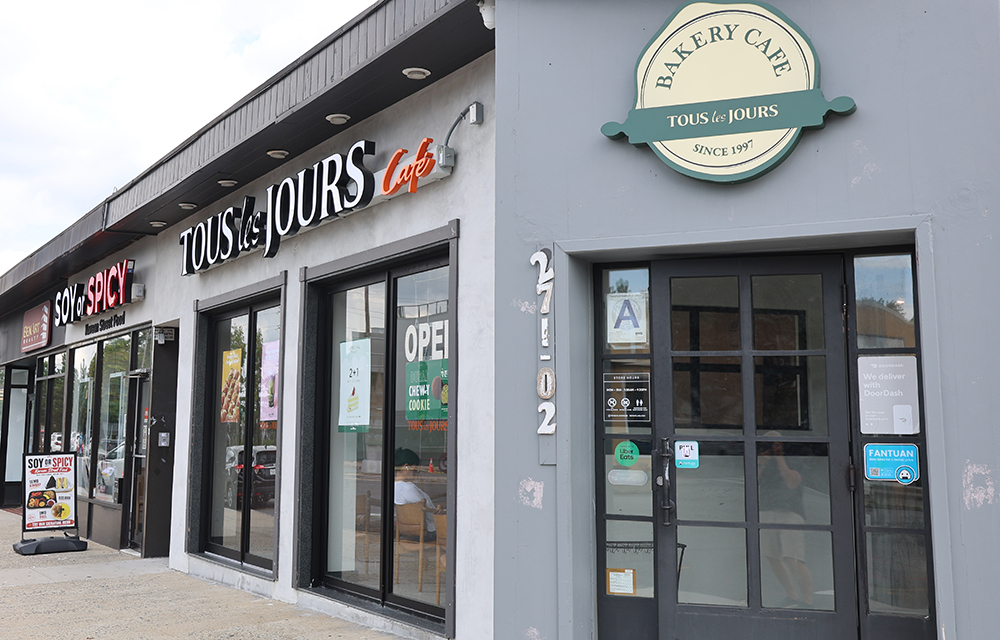
Sobel of RIPCO Real Estate signs Redefine Meals as newest tenant at New Hyde Park Place
New Hyde Park, NY New Hyde Park Place, the rebranded commercial property at 271-02 Union Tpke.on the Nassau/Queens border, has signed new tenant Redefine Meals, the Long Island-based prepared-meal company, for a new 1,000 s/f location, starting on September



Quick Hits
 (2).gif)

Columns and Thought Leadership

New York’s streets are full again, and the retail numbers prove it - by Noam Aziz
Walk down any New York block this year and you can feel it. The sidewalks are crowded, the storefronts are lit, and the energy that defines this city is back at full volume.

A guide to finding the right NYC property management company - by Sanjay Gandhi
Being a small to midsize landlord in NYC is an increasingly demanding endeavor. From navigating complex regulations, increased compliance demands to dealing with tenant issues and remediating violations. It is wise to enlist the assistance of a partner, a professional

Positive forecast for New York’s pro-housing push? - by Philip Butler
New York’s housing crisis remains a hot button topic despite growing consensus that varied and affordable housing is desperately needed statewide. Governor Hochul has recently introduced several initiatives to overcome N.Y.’s anti-housing

Hunt commercial real estate question and answer: Fortune 500 wisdom - by David Hunt
Yes, there are lessons to be learned from the largest companies in America when comes to managing your real estate. But the decision to buy or lease real estate may not be one of
.gif)
September Promotion
