



News:
Brokerage
Posted: March 24, 2026
Whitebox Advisors, Manhattan Psychiatry Group and Spring EQ sign new leases at GFP’s 515 Madison Ave. totaling 12,470 s/f
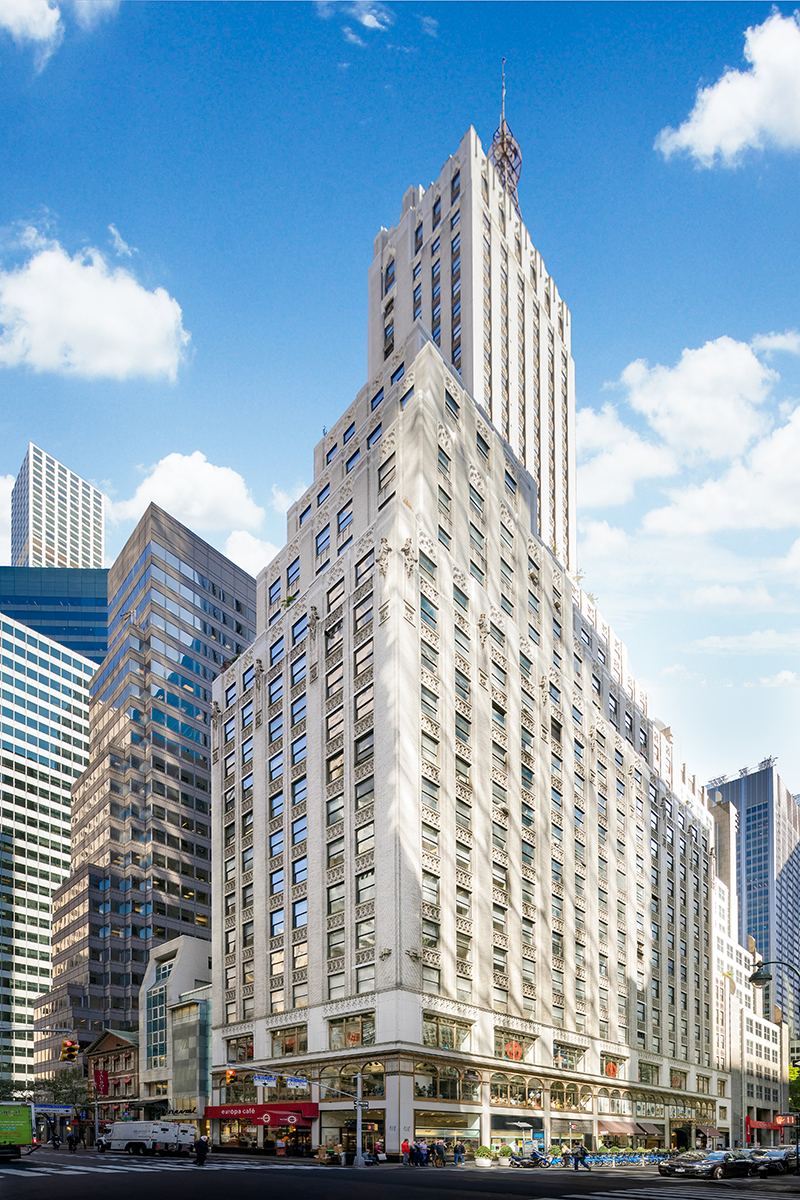 Manhattan, NY GFP Real Estate, LLC shared that Whitebox Advisors, Manhattan Psychiatry Group and Spring EQ have each signed new office leases at 515 Madison Ave., further reinforcing the building’s strong leasing momentum and its appeal to a broad mix of professional tenants.
Martin McGrath and Kephra Stone of GFP Real Estate and William Grover of Newmark represented the landlord, GFP Real Estate, in each of the transaction below.
Whitebox Advisors, a multi-strategy alternative asset investment management firm, has signed a four-year lease for 3,956 s/f on the 34th floor. The firm will occupy space at the top of the building, benefiting from the tower’s central Plaza District location and proximity to major transit and amenities. Owen Reda of CBRE represented the tenant in the transaction.
Manhattan Psychiatry Group signed a three-year lease for 4,558 s/f on the 16th floor, expanding its presence in Midtown to serve patients in a highly accessible, professional setting. Matthew Mahland of Savills represented the tenant.
Spring EQ, a national home equity lending company, signed a three-year lease for 3,956 s/f on the 42nd floor — its first location in New York. Jonathan Anapol of Manhattan Prime Realty represented the tenant.
Built in 1932 and known as the DuMont Building, 515 Madison is a 42-story, 370,000 s/f class A building designed by John Carpenter. One of the building’s most distinctive features is a broadcasting antenna that traces back to the building’s role in the first television broadcasts of Allen DuMont’s experimental television station W2XWV in 1938. This building’s restoration of its renovated entrance and lobby in 2009 kept its architectural elements intact yet modernized for today’s tenants.
Located just south of Central Park, 515 Madison provides access to a multitude of dining options and well-known landmarks like the New York City Center for Performing Arts, Carnegie Hall and Rockefeller Center, which are all a walk away. The E and M trains are located in the building and the 6 train is only a block away, providing transportation options.
MORE FROM Brokerage

Simi Capital enters Texas with acquisition of 359,000 s/f small-bay industrial portfolio in Northwest Houston
Houston, TX Simi Capital acquired a three-property, 359,000 s/f small-bay industrial portfolio. The transaction, completed in a joint venture with Decker Capital, marks Simi



 (2).gif)

Columns and Thought Leadership

A guide to finding the right NYC property management company - by Sanjay Gandhi
Being a small to midsize landlord in NYC is an increasingly demanding endeavor. From navigating complex regulations, increased compliance demands to dealing with tenant issues and remediating violations. It is wise to enlist the assistance of a partner, a professional

Hunt commercial real estate question and answer: Fortune 500 wisdom - by David Hunt
Yes, there are lessons to be learned from the largest companies in America when comes to managing your real estate. But the decision to buy or lease real estate may not be one of

New York’s streets are full again, and the retail numbers prove it - by Noam Aziz
Walk down any New York block this year and you can feel it. The sidewalks are crowded, the storefronts are lit, and the energy that defines this city is back at full volume.

Hunt CRE question and answer: Choosing a real estate agent - by David Hunt
First, we will only work with one agent exclusively. The primary reason is that we want that agent to legally represent our client’s interests. In New York State, a real estate agent has a fiduciary
.gif)