



News:
Brokerage
Posted: July 19, 2016
What’s market for real estate joint venture partnerships? by Thomas Kearns
 Tom Kearns, Olshan Frome Wolosky
I’m involved in a dozen or more real estate joint venture agreements (typically LLC agreements) every year. When I look back, I see consistent terms in those agreements despite the wide variety of transactions. For example, I represent both ground up residential condo developers and office building operators but the joint venture terms are usually quite similar. Here are a few basics that I would consider market for joint ventures between an experienced real estate sponsor/operator and an investment fund.
Management
During the recession of 2008 to 2010, there seemed to be a trend of fund investors trying to put themselves in the position of the managing member of the LLC. But that trend, if it was one, now seems to be over. Universally, funds now permit the real estate sponsor to be the managing member of the LLC with certain major decision veto powers reserved to the fund and rights to remove the sponsor for bad acts.
Removal of Managing Member
Over the years I would see occasional removal clauses requested by funds that were performance based, i.e., if condo sales or occupancy rates didn’t hit certain milestones or net operating income fell too low. In those circumstances, the fund could remove the sponsor from its position as managing member of the LLC. The clauses were painful to negotiate and frustrating to both sides and removal based on those clauses seemed rare. I have not seen a performance based removal clause requested in years — funds appear to recognize that market conditions are too hard to predict and, given the interrelationships of the parties and legacy guarantee obligations, too complex to unwind. Removal clauses are now tied to bad acts like fraud, theft and breach with cure periods including a cure period to terminate a rogue employee.
Guarantees
The sponsor typically agrees to furnish a creditworthy entity to sign loan guarantees protecting the lender from fraudulent and other bad acts of the borrower. Since the sponsor is typically the managing member with day-to-day control of the venture, that makes sense. The sponsor is also given the right to control the venture’s decisions which would be covered by the bad act guaranty. In other words, the sponsor is not subject to the fund’s veto over acts to comply with the terms of the loan once the loan and its terms are approved by the fund.
Forced Sale and Rights of First Offer
Funds are typically granted the right to force a sale of the project after some initial stabilization period. But that right is always subject to a right of first offer in favor of the sponsor. Essentially, the fund may send a notice saying it wants to sell but the notice will set forth a value and the sponsor will have the right to buy the property from the venture at that value often with a new loan and a new partner thereby keeping the property under the sponsor’s control.
Affiliated Transactions
All real estate LLC agreements limit transactions either side can cause the venture to engage in with affiliates. Sponsors typically get upfront fund approval of development, management or leasing agreements with its affiliates and funds agree that if they take control of the venture they will not engage in affiliated transactions without sponsor approval or without complying with a market standard.
By standardizing many of these issues, funds and sponsors help the efficiency of the market and reduce legal wrangling and fees.
Thomas Kearns is a partner with Olshan Frome Wolosky LLP’s real estate department, New York, N.Y.
Tags:
Brokerage
MORE FROM Brokerage
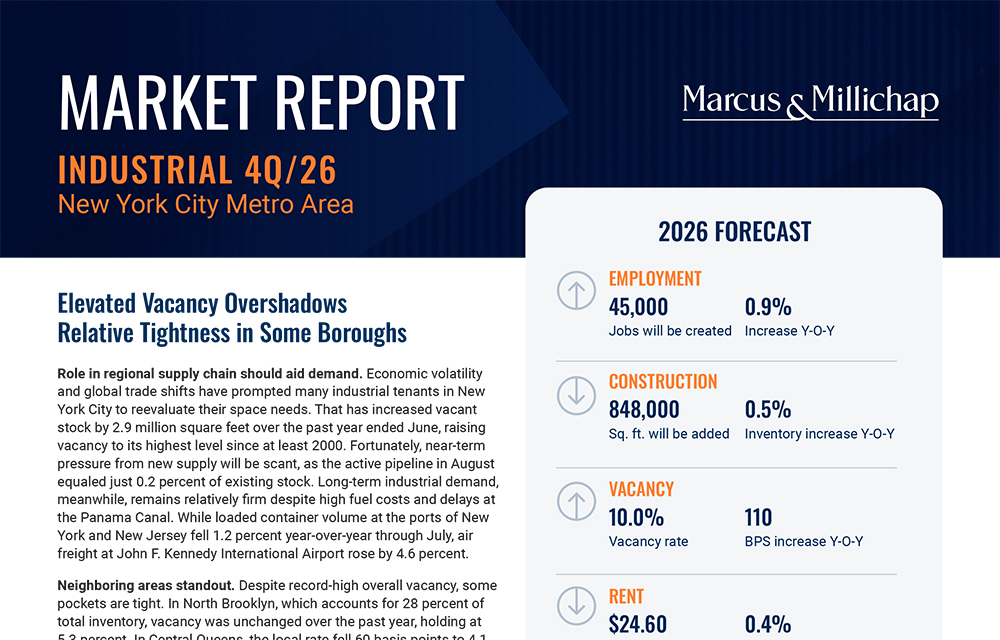
Marcus & Millichap releases fourth-quarter 2026 NYC industrial market report
Manhattan, NY Marcus & Millichap has published its fourth-quarter 2026 New York City Industrial Market Report. “New York City’s industrial market is showing a clear







Columns and Thought Leadership

The art of investing in real estate - by Thomas Donovan
Real estate investing is as much an art as it is a skill. No one can time the market, or the factors that drive it, perfectly. Location, zoning, size, transportation, and neighborhood density give you a baseline for

Hunt commercial real estate question and answer: Fortune 500 wisdom - by David Hunt
Yes, there are lessons to be learned from the largest companies in America when comes to managing your real estate. But the decision to buy or lease real estate may not be one of

Hunt CRE question and answer: Choosing a real estate agent - by David Hunt
First, we will only work with one agent exclusively. The primary reason is that we want that agent to legally represent our client’s interests. In New York State, a real estate agent has a fiduciary

New York’s streets are full again, and the retail numbers prove it - by Noam Aziz
Walk down any New York block this year and you can feel it. The sidewalks are crowded, the storefronts are lit, and the energy that defines this city is back at full volume.
.gif)