



News:
Brokerage
Posted: October 27, 2008
What do vacant buildings mean to downtown Buffalo?
You cannot ignore the fact that in the city of Buffalo there are still a number of empty commercial buildings. But while most see these as an eyesore and a sign of Buffalo's decline, those with vision know that these buildings are ripe with opportunity. Maybe it is an obsolete office building, or an old warehouse, or even an old church. What do you do with these properties? The answer more often than not has been to create new residential units out of these buildings.
Chances are that the property is outdated. Chances are that the floor plates are small and the parking is few and far between. Chances are that parishes aren't seeing the attendance they once were, that old industrial space has ceilings too low and capacity too small. There might not be high demand for your building as it was once used, but all is not lost. Re-use is the key to reviving these buildings and there is no better way to re-use downtown buildings then to create them into living spaces. There is a pent-up demand for living spaces downtown and the number of units that have been completed in recent years and those that are still to come is staggering. Like what you might ask?
Condo's on the ErieMarina, Elk Terminal, Granite Works, The Cobblestone Lofts, The Bellesara and Bellesario, the former Courtyard Mall, the "A" Building, the Seneca Paper Building, the former Bryant & Stratton at Main and North St., the Spa Lofts, the Webb Building, the IS Lofts, the Ellicott Lofts, the Alternative School Renovation, the Sidway, Artspace, the Birzon Building, the Pierce Building, the "Rainy Night" Building (named after a famous Burchfield painting of the building itself), the Casket Warehouse, the former Immaculate Conception Church, the Holling Press, the townhouses on Washington across from Holling Press, and the list continues to grow.
In December of 2004, Zimmerman Volk Associates, a firm who has completed residential capacity studies for many downtowns, came up with a detailed report on downtown Buffalo's residential capacity. They found that the potential for new and existing market-rate housing units to be leased or sold within the Downtown Buffalo Study Area each year consists of up to 2,680 households and the market could absorb 375 units a year! Despite the high number of projects on the way, there is room for more, plenty more.
In aggregate, these conversions will and are, among other things, creating a retail market and other spin-off businesses that start to accumulate, making the city a 24-hour destination. That is not to say that there aren't conveniences downtown and nearby already. Although the downtown area itself doesn't have "conveniences" comparable to say Transit Rd. in the suburbs, you are very near lots of opportunities. In fact, when you think of all the things nearby you when you live downtown, it makes the suburbs seem inconvenient: the waterfront, Tops and other supermarkets nearby, the myriad of shops along Allen, Delaware, Elmwood and Hertel, HSBC Arena and Dunn Tire Park, the grandest architecture in upstate New York and in some cases even the country and the world, every major highway leading out of downtown and into the suburbs. Nothing that you might need is very far away.
The Future
The key to enhancing the downtown residential community is increasing the diversity of options. With conversion projects opening already at full capacity, one thing becomes glaringly obvious: there are very little units that are for sale. While waterfront units and Center City provided condo's in the late '80s and early '90s, there had been no units to purchase since. The townhouses on Washington St. and a few other projects are offering units for sale, which is a change and shows the maturing of the market. But these projects are the trailblazing ones - their success remains to be seen, but the developers' willingness to take a chance is to be commended. Other's who own buildings and are looking to find something to do with them and make them more profitable will likely find that conversion and reuse is the best route to go. As more high bay warehouses are constructed (and more manufacturing companies lost to competitive factors), as more people leave and parishes are forced to close down, and as more large floor plate class A office buildings are constructed, the owners of increasingly obsolete buildings might find that residential re-use can make their buildings strong and profitable once again.
David Doerr is a licensed real estate agent at Hunt Commercial Real Estate Corp., Buffalo, N.Y.
Tags:
Brokerage
MORE FROM Brokerage
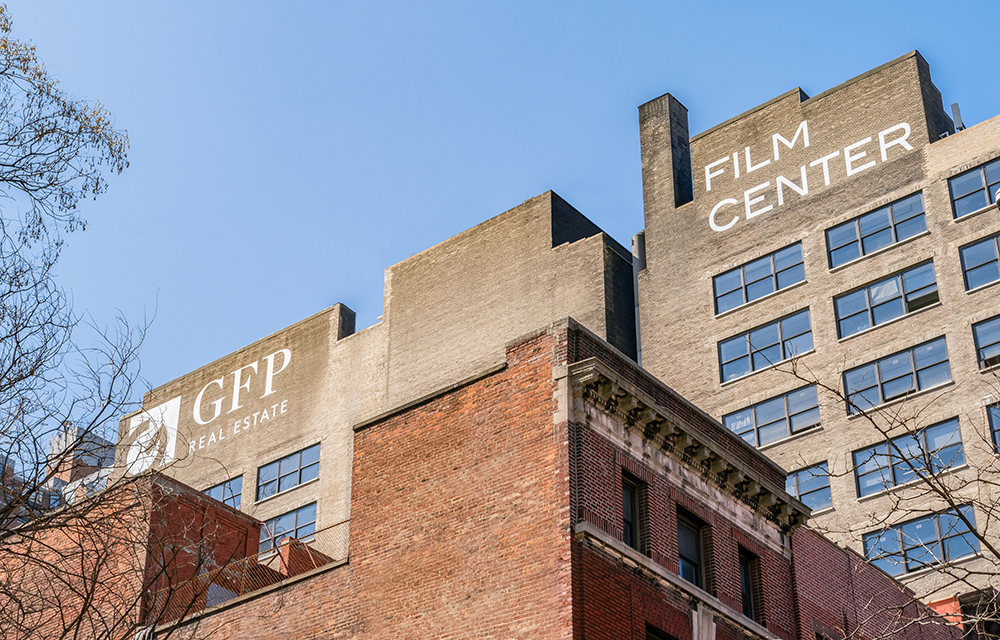
GFP Real Estate signs 11,078 s/f of leasing activity at 630 Ninth Ave.
Manhattan, NY GFP Real Estate closed three office leasing transactions totaling 11,078 s/f at 630 Ninth Ave. in Midtown, including a new lease with Irish Arts Center and extensions by existing



Columns and Thought Leadership

Hunt commercial real estate question and answer: Fortune 500 wisdom - by David Hunt
Yes, there are lessons to be learned from the largest companies in America when comes to managing your real estate. But the decision to buy or lease real estate may not be one of

Positive forecast for New York’s pro-housing push? - by Philip Butler
New York’s housing crisis remains a hot button topic despite growing consensus that varied and affordable housing is desperately needed statewide. Governor Hochul has recently introduced several initiatives to overcome N.Y.’s anti-housing

New York’s streets are full again, and the retail numbers prove it - by Noam Aziz
Walk down any New York block this year and you can feel it. The sidewalks are crowded, the storefronts are lit, and the energy that defines this city is back at full volume.

A guide to finding the right NYC property management company - by Sanjay Gandhi
Being a small to midsize landlord in NYC is an increasingly demanding endeavor. From navigating complex regulations, increased compliance demands to dealing with tenant issues and remediating violations. It is wise to enlist the assistance of a partner, a professional
.gif)
September Promotion
