



News:
Brokerage
Posted: November 5, 2019
Construction begins on $22.8 million Westminster Commons; Buffalo Federation of Neighborhood Centers is developer
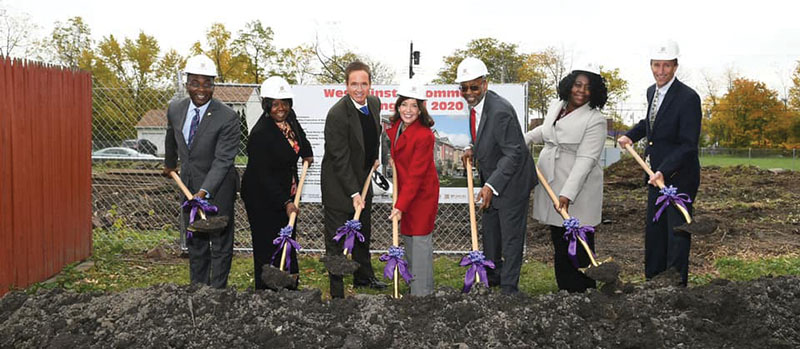
Buffalo, NY Construction on Westminster Commons, a $22.8 million housing and healthcare development for older adults, has begun. The project will include a newly constructed building with affordable and supportive apartments. The project, on the city’s East Side, will include the transformation of the historic Westminster Settlement House into a commercial healthcare center that includes adult day programming, medical clinic, pharmacy and physical rehabilitation services. Westminster Commons will have 84 apartments for adults age 55 and up in a single, four-story building.
The Buffalo Federation of Neighborhood Centers, Inc. is the supportive service provider and the project’s developer. Carmina Wood Morris is the architect, while RP Oak Hill Building Co. is the general contractor. Rhonda Ricks’ R+A+R Development and Oxford Consulting advised the BFNC on the project.
State financing includes federal Low-Income Housing Tax Credits that will generate about $14 million in equity and an additional $3 million in subsidy from HCR. The New York State Office of Temporary and Disability Assistance provided $3.4 million through the Homeless Housing Assistance Program. Additional financing is provided by The Dormitory Authority of the State of New York, the New York State Energy Research and Development Authority and Federal and State Historic Tax Credit equity.
The New York State Office of Mental Health will provide project based rental subsidies and services funding for 26 units through the governor’s Empire State Supportive Housing Initiative. The city is providing $350,000 in HOME funds.
“Westminster Commons continues our commitment to bringing high-quality affordable housing opportunities to Buffalo’s East Side,” governor Cuomo said. “These 84 new homes for seniors will provide easy access to healthcare and supportive services and help these residents live independently.”
All apartments will be affordable to households earning at or below 60% of the Area Median Income. 40 apartments will be reserved for seniors with a history of mental illness. These residents will have access to on-site supportive services, such as case management, benefits advocacy, financial management, job skills training and assistance with medical care.
The Westminster Settlement House, originally constructed in 1893, will be repurposed into a community service facility with health-oriented services for both residents and the community. Services will include a certified senior adult day care program, medical clinic, pharmacy, rehabilitative services and office space. There will be an interior link between the two buildings to facilitate ease of access for residents.
Mayor Byron Brown said, “Since 2006, my Administration has worked to create more than 2,100 units of affordable housing for Buffalo residents of all ages. But in a City where 27% of our population is age 55 and over–a demographic that is continuing to rise–it is imperative that we continue to address the current and future needs of our older residents. Westminster Commons will be much more than a senior housing facility. This holistic project will create a senior community with on-site services which are so critical to the health and well-being of our aging residents.”
Westminster Commons is part of the governor’s commitment to providing all New Yorkers with access to safe, affordable housing, which is reflected in the state’s unprecedented $20 billion, five-year Housing Plan. The plan makes housing accessible and combats homelessness by building and preserving more than 100,000 units of affordable housing and 6,000 units of supportive housing. Since 2011, New York State Homes and Community Renewal has invested more than $112 million on Buffalo’s East Side to build or preserve 1,200 affordable housing units that are creating homes for more than 2,700 people.
The state’s investment in Westminster Commons supports the governor’s “Health Across All Policies” and “Age-Friendly State” initiatives by preserving affordable homes for seniors. The initiative is a collaborative approach that integrates health considerations into policymaking across all sectors to improve community health and wellness.
Tags:
Brokerage
MORE FROM Brokerage
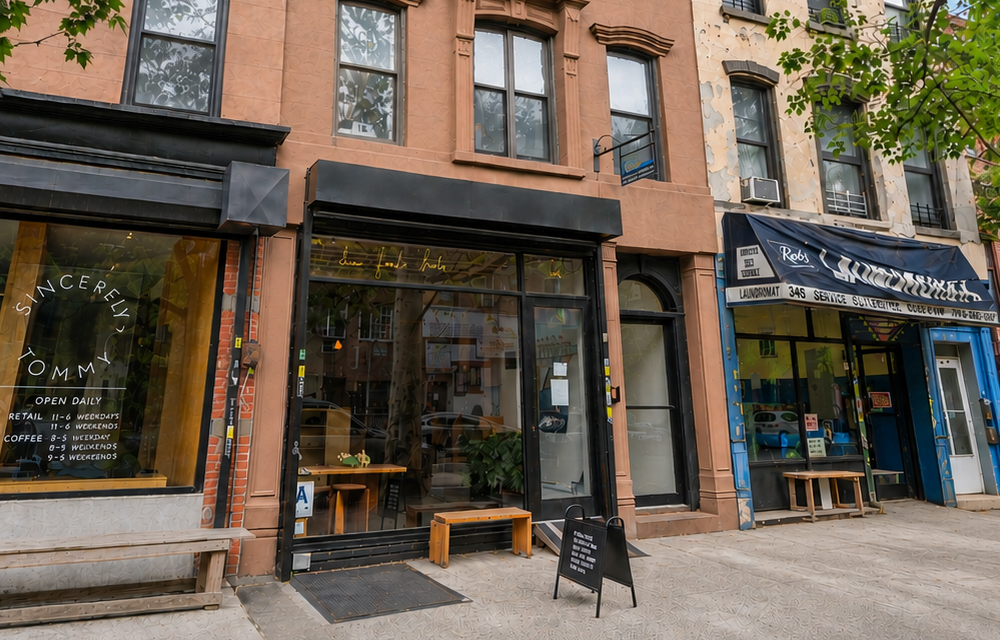
Bestreich, Reynolds, Davila, and Flaherty of Investment Property Realty Group close $1.97 million sale of 343A Tompkins Ave. in Bed-Stuy
Brooklyn, NY Investment Property Realty Group (IPRG) closed the sale of 343A Tompkins Ave., a mixed-use building located in the Bed-Stuy section of the borough, for $1.97 million.



 (2).gif)

Columns and Thought Leadership

New York’s streets are full again, and the retail numbers prove it - by Noam Aziz
Walk down any New York block this year and you can feel it. The sidewalks are crowded, the storefronts are lit, and the energy that defines this city is back at full volume.

Hunt commercial real estate question and answer: Fortune 500 wisdom - by David Hunt
Yes, there are lessons to be learned from the largest companies in America when comes to managing your real estate. But the decision to buy or lease real estate may not be one of

A guide to finding the right NYC property management company - by Sanjay Gandhi
Being a small to midsize landlord in NYC is an increasingly demanding endeavor. From navigating complex regulations, increased compliance demands to dealing with tenant issues and remediating violations. It is wise to enlist the assistance of a partner, a professional

Hunt CRE question and answer: Choosing a real estate agent - by David Hunt
First, we will only work with one agent exclusively. The primary reason is that we want that agent to legally represent our client’s interests. In New York State, a real estate agent has a fiduciary
.gif)