



News:
Brokerage
Posted: June 4, 2019
The Westchester County Association hosts 3rd Annual Real Estate Summit
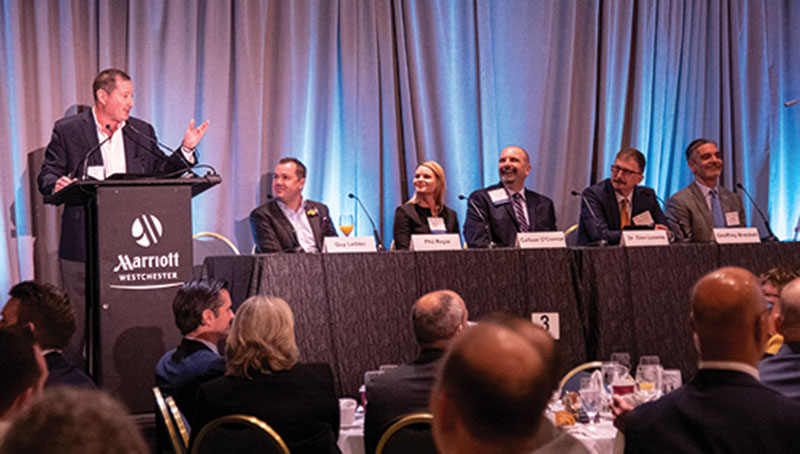
“Transformational Projects in Westchester and the Hudson Valley” panel.
White Plains, NY The Westchester County Association (WCA) brought together 300 regional leaders in commercial and residential real estate, as well as government and planning officials and community organizations, for its 3rd Annual Real Estate Summit.
They came together to explore transformational development projects in Westchester and the Hudson Valley, the experience of the failed Amazon-NYC deal and performance-based incentives and the future of the energy supply in the Hudson Valley. The three panels of regional experts provided in-depth knowledge and insights regarding pertinent, topical issues that transcend the Hudson Valley economy.
WCA president and CEO William Mooney, Jr. and Westchester County director of operations Joan McDonald delivered opening remarks.
“Transformational Projects in Westchester and the Hudson Valley” was moderated by Mike Oates, president and CEO of Hudson Valley Economic Corp. (HVEDC). Panelists included Guy Leibler, president of Simone Healthcare Development; Phil Royle, director of development and operations of LEGOLAND New York; Colleen O’Connor, director for BioMed Realty’s Massachusetts and New York Markets; Dr. Glenn Loomis, chief academic and innovation officer of Health Quest; Geoffrey Brackett, executive vice president and chief strategy/innovation officer of Marist College; and Luiz Aragon, development commissioner of city of New Rochelle.
Key information about five major area projects was provided to the audience: Simone Healthcare Development’s renovation of the 104 Corporate Park Dr. in Harrison, office building for use by Montefiore Medical Center; LEGOLAND New York in Goshen; BioMed Realty’s multiphase redevelopment of the Ardsley Park life science campus in Ardsley; the Marist Health Quest School of Medicine–a Marist College and Health Quest Systems academic partnership–in Poughkeepsie; and the city of New Rochelle’s redevelopment initiatives, including revitalization efforts in both downtown and the waterfront.
“We’ve seen an explosion of activity and we tried to bring together a cross-section of some of those transformational projects that are facing us here in the Hudson Valley,” Oates said.
“Get ready Hudson Valley,” Royle said. “We will attract about 1.5 million to 2.5 million visitors per year. … As businesses and as communities we need to get ready for that.”
“Our Energy Future” was presented by Ivan Kimball, director - electricity supply, Con Edison, and Michael Reed, program manager, Advanced Efficiency Solutions at NYSERDA.
It addressed the future of the energy supply in the Hudson Valley in light of the natural gas moratorium and impending closure of Indian Point.
“I shared with you some of the goals when it comes to balancing environmental stewardship, innovation and economic development,” Kimball said. “And there are numerous projects already underway at Con Edison to help design an orderly transition to a clean energy future we all envision. … Let’s work together to allow a clean energy future that is accessible and affordable and does not threaten the health of the region.”
“The Post-Amazon Deal: A Discussion on Attraction, Retention and Incentives” was moderated by Bill Cuddy, executive vice president of CBRE. It focused on what people in the Hudson Valley can learn from the unsuccessful deal.
“There is a public and even professional miscalculation and misunderstanding of the value of economic development in some of the projects that we are doing,” Cuddy said.
Tinkelman Architecture gave a virtual reality presentation, featuring immersive technology that provides users with the capability to explore fully interactive, three dimensional environments, including room, floor and whole building design.
The program wrapped up with the presentation of the WCA’s Annual Policy Playbook awards, recognizing work in planning and training by municipalities in Westchester and the Hudson Valley. WCA and the Land Use Law Center recognized the city of Mount Vernon for its West Transit Oriented Development Form Based Zoning Ordinance and the city of Poughkeepsie for its Innovation District Zoning.
The WCA Policy Playbook is a joint initiative of the WCA and Pace University’s Land Use Law Center to streamline and improve the planning, zoning and approval processes across municipalities in Westchester County.
Tags:
Brokerage
MORE FROM Brokerage
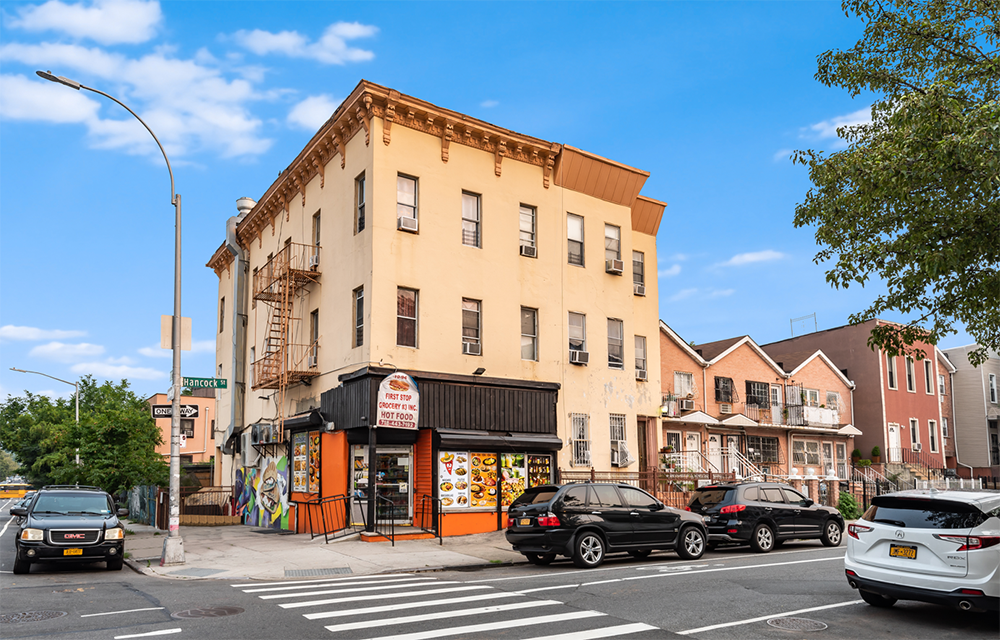
Investment Property Realty Group closes $1.75 million sale of 1094 Hancock Street in Brooklyn
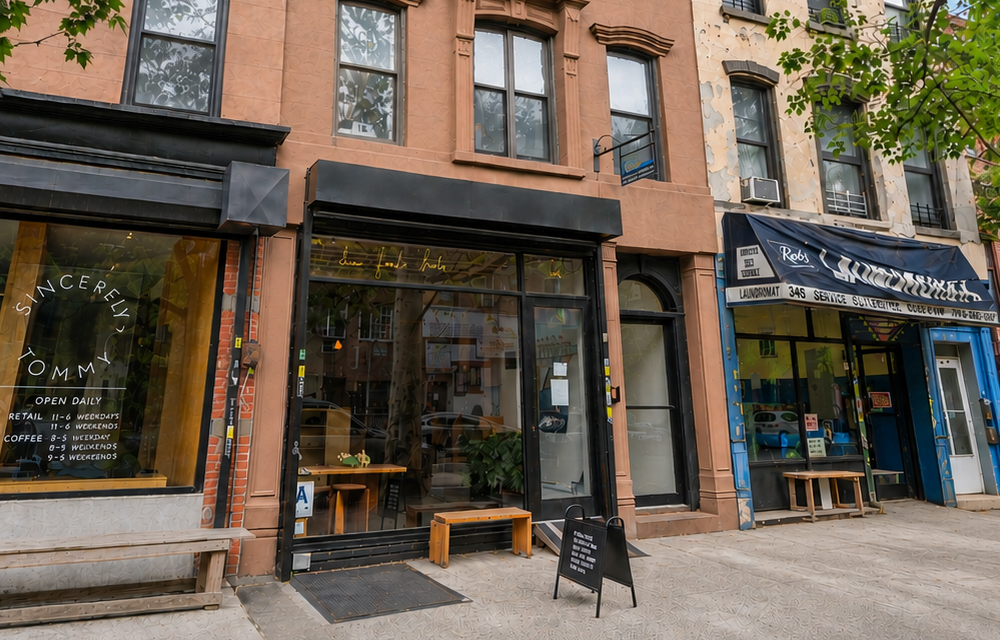
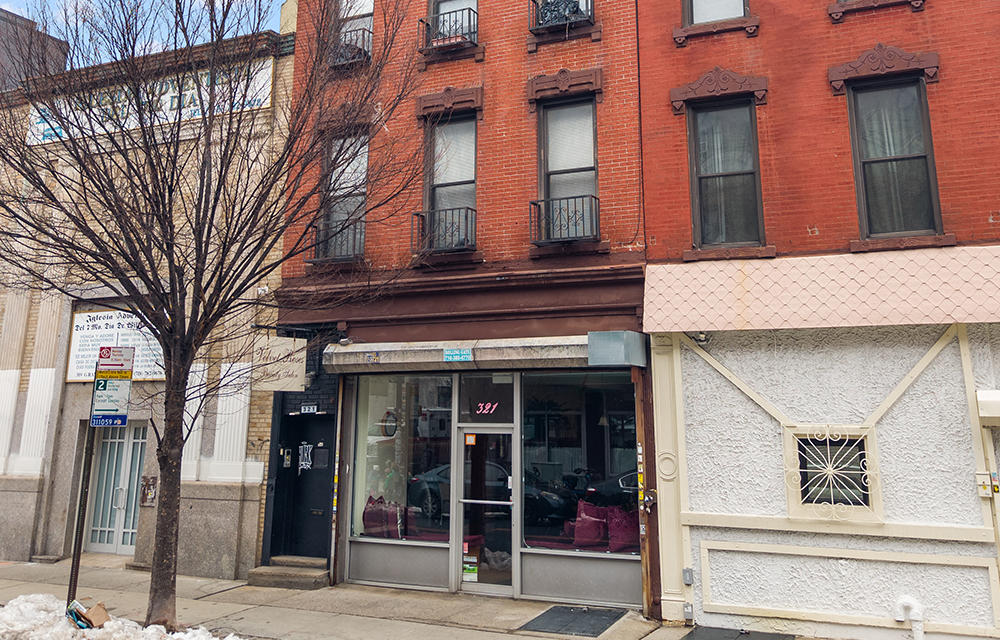
Brooklyn, NY Investment Property Realty Group (IPRG), a New York-based commercial investment firm, has closed the sale of 1094 Hancock St., a mixed-use building in the Bushwick section, for $1.75 million.



Columns and Thought Leadership

Hunt commercial real estate question and answer: Fortune 500 wisdom - by David Hunt
Yes, there are lessons to be learned from the largest companies in America when comes to managing your real estate. But the decision to buy or lease real estate may not be one of

New York’s streets are full again, and the retail numbers prove it - by Noam Aziz
Walk down any New York block this year and you can feel it. The sidewalks are crowded, the storefronts are lit, and the energy that defines this city is back at full volume.

Hunt CRE question and answer: Choosing a real estate agent - by David Hunt
First, we will only work with one agent exclusively. The primary reason is that we want that agent to legally represent our client’s interests. In New York State, a real estate agent has a fiduciary

A guide to finding the right NYC property management company - by Sanjay Gandhi
Being a small to midsize landlord in NYC is an increasingly demanding endeavor. From navigating complex regulations, increased compliance demands to dealing with tenant issues and remediating violations. It is wise to enlist the assistance of a partner, a professional
.gif)