



News:
Brokerage
Posted: December 27, 2012
Valentino and Einbender of ABS Partners rep Royce' Chocolate in 375 s/f lease
According to ABS Partners Real Estate, LLC, Royce' Chocolate will open its first United States location at 509 Madison Ave.
ABS Partners retail leasing team members Dean Valentino and Jay Einbender of ABS represented Royce'. The chocolatier will occupy 375 s/f of retail space in the 21-floor, high-rise office that was constructed in 1929.
"With the success of its business overseas, it was important to Royce' that it open a U.S. location to continue expanding its business," said Valentino. "The company now has a great New York City location, the perfect place to introduce its products to a U.S. audience."
Royce' was founded in 1983 in Sapporo, Japan, starting with a factory in Hokkaido. It started out as a small local confectionary and has now grown to include over 40 overseas locations.
With the completion of its 54,700 s/f site in Hokkaido, the president of Royce', Yasuhiro Yamazaki, was finally able to realize his dream of sharing his chocolate with his friends in the U.S. This makes the location at 509 Madison Ave. a truly special company milestone and the first opportunity for Americans to sample Royce' offerings.
Royce' is most well-known for its signature product, Nama Chocolate. Nama Chocolate is a unique combination of chocolate with fresh cream, and a hint of prestigious liqueurs that creates a melt-in-your-mouth chocolate experience. "Nama" literally translates into "fresh" and comes in a variety of flavors like Champagne, Bitter and Green Tea. The company's chocolate covered potato chips are another popular item available in three flavors.
ABS Partners Real Estate, LLC is a premier New York-based real estate services firm. Founded by industry leaders with more than a century of collective experience, ABS has assembled a dynamic team of professionals with expertise in all facets of real estate services, including owner-advisory services, leasing, sales and property management. ABS also specializes in land use and ground lease consultation, the transfer of development rights, fractional ownership valuation, FAR valuation, and services specifically related to the issues faced by families holding real estate for multiple generations.
Tags:
Brokerage
MORE FROM Brokerage
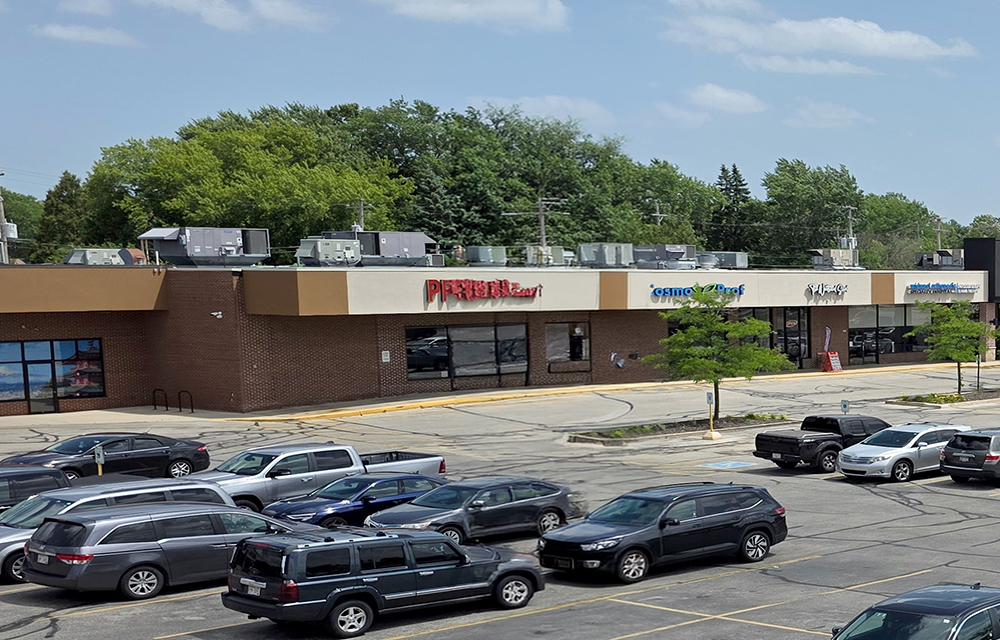
United Properties Corp. expands Wisconsin and Illinois retail presence adding 200,000 s/f
West Allis, WI United Properties Corp. completed two retail acquisitions totaling $27.4 million across Illinois and Wisconsin, adding 205,000 s/f of shopping center space to its portfolio


Quick Hits
 (2).gif)

Columns and Thought Leadership

New York’s streets are full again, and the retail numbers prove it - by Noam Aziz
Walk down any New York block this year and you can feel it. The sidewalks are crowded, the storefronts are lit, and the energy that defines this city is back at full volume.

Positive forecast for New York’s pro-housing push? - by Philip Butler
New York’s housing crisis remains a hot button topic despite growing consensus that varied and affordable housing is desperately needed statewide. Governor Hochul has recently introduced several initiatives to overcome N.Y.’s anti-housing

Hunt commercial real estate question and answer: Fortune 500 wisdom - by David Hunt
Yes, there are lessons to be learned from the largest companies in America when comes to managing your real estate. But the decision to buy or lease real estate may not be one of

A guide to finding the right NYC property management company - by Sanjay Gandhi
Being a small to midsize landlord in NYC is an increasingly demanding endeavor. From navigating complex regulations, increased compliance demands to dealing with tenant issues and remediating violations. It is wise to enlist the assistance of a partner, a professional
.gif)