



News:
Brokerage
Posted: March 26, 2012
Unwanted "gifts" - Handling tenants' left-behind belongings
With the weather getting warmer, landlords will soon be entering into their busy season. Old tenants will go, new ones will come. This annual rite is usually accompanied by the perennial question of what to do with any personal property the tenant leaves behind.
Landlords frequently encounter this predicament, whether the tenants are evicted or voluntarily leave when their tenancy expires. New York statute does not provide some clear guidance on this issue, such that landlords must rely on case law to figure out what to do with tenants' left-behind furniture and personal belongings.
When a tenant leaves behind property, such property is not automatically deemed to be abandoned. The landlord cannot immediately throw it out, give it away, or sell it, and the landlord must be careful to document how these items are disposed. First, the landlord should notify the tenant that the tenant has left some property in the vacated premises and that the property will be held in a secure location for a reasonable duration after which time the left-behind property will be disposed-of by the landlord. The law does not define what a reasonable time is, but New York courts have generally found 30 days to be an adequate time period. The landlord must also inform the tenant how the tenant can retrieve the property.
The secure location in which the putatively abandoned property may be stored should be a locked garage, cellar, attic, or commercial storage facility. Landlords have a duty to protect and return the tenant's personal property under the common law of "constructive bailment." If any of the left-behind property is lost, stolen, or damaged, the landlord would violate his responsibilities as a constructive bailee (i.e. the unwitting possessor of another person's left-behind property) and could be held liable, but only if the landlord is grossly negligent.
If the tenant has not retrieved the left-behind property within 30 days of having been given notice to retrieve the property, the landlord may, but is not required to, send another notice. This second notice should inform the tenant that the tenant has not recovered the tenant's personal property and it will be sold or disposed of on a certain day and at a certain place. After that, the landlord is free to dispose of the personal property as the landlord deems appropriate. Landlords should consult with a real estate lawyer when dealing with tenants' left-behind personal belongings.
Douglas Rose, Esq. is a partner at Tully Rinckey PLLC, Albany, N.Y.
Tags:
Brokerage
MORE FROM Brokerage
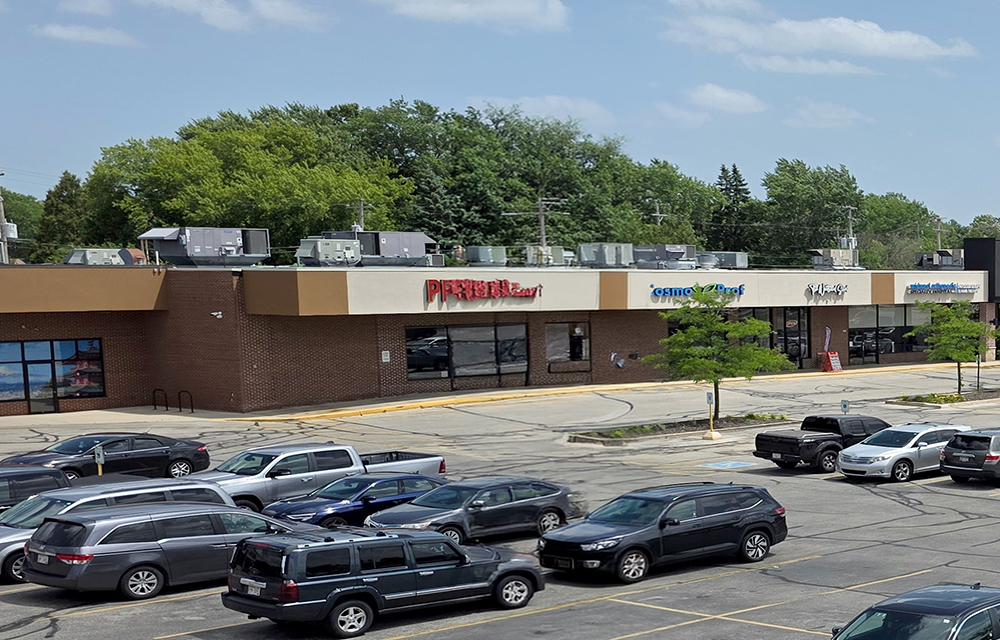
United Properties Corp. expands Wisconsin and Illinois retail presence adding 200,000 s/f
West Allis, WI United Properties Corp. completed two retail acquisitions totaling $27.4 million across Illinois and Wisconsin, adding 205,000 s/f of shopping center space to its portfolio




Quick Hits
 (2).gif)

Columns and Thought Leadership

A guide to finding the right NYC property management company - by Sanjay Gandhi
Being a small to midsize landlord in NYC is an increasingly demanding endeavor. From navigating complex regulations, increased compliance demands to dealing with tenant issues and remediating violations. It is wise to enlist the assistance of a partner, a professional

Hunt commercial real estate question and answer: Fortune 500 wisdom - by David Hunt
Yes, there are lessons to be learned from the largest companies in America when comes to managing your real estate. But the decision to buy or lease real estate may not be one of

Positive forecast for New York’s pro-housing push? - by Philip Butler
New York’s housing crisis remains a hot button topic despite growing consensus that varied and affordable housing is desperately needed statewide. Governor Hochul has recently introduced several initiatives to overcome N.Y.’s anti-housing

New York’s streets are full again, and the retail numbers prove it - by Noam Aziz
Walk down any New York block this year and you can feel it. The sidewalks are crowded, the storefronts are lit, and the energy that defines this city is back at full volume.
.gif)